
Backyards Rewild: Ignite Biodiversity in 2026
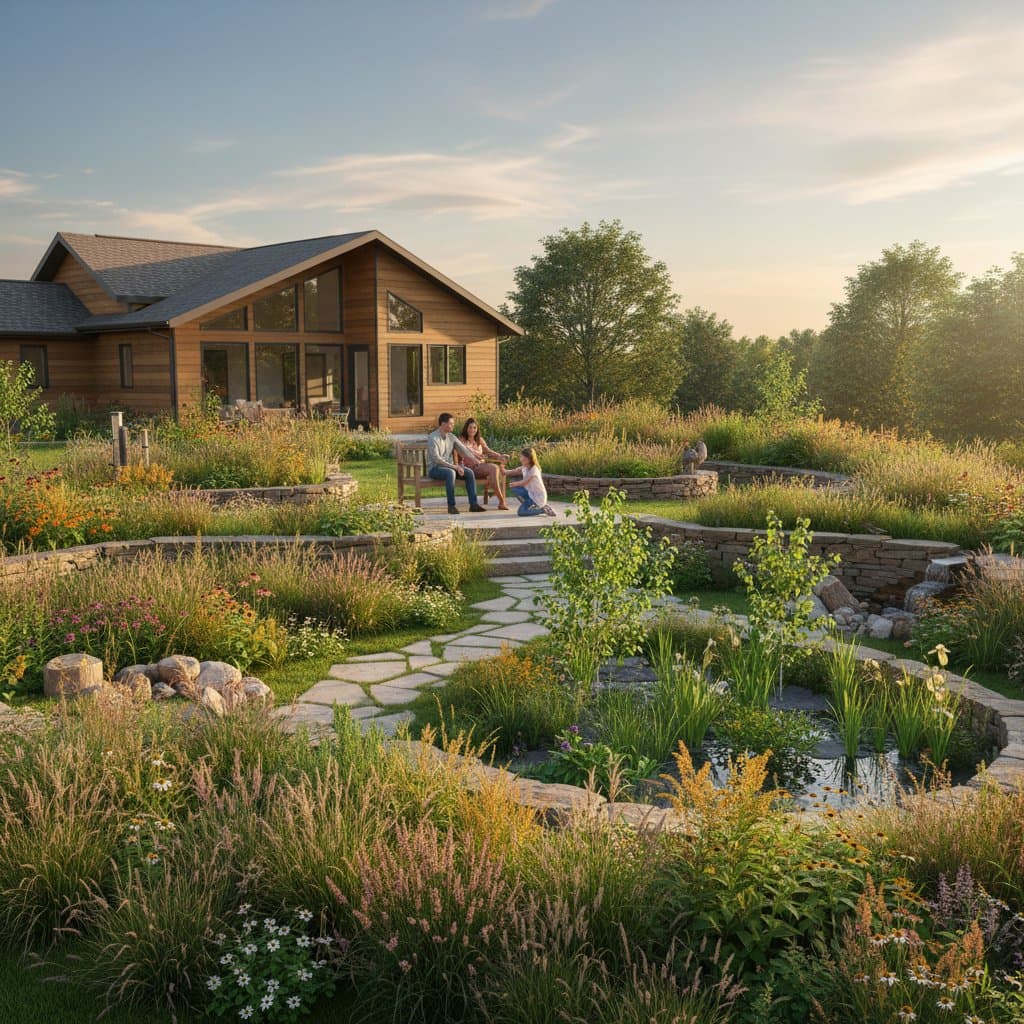
When Claire and Mateo bought their suburban home, they saw a blank patch of lawn as an opportunity rather than a chore. Their goal was simple: to create a living landscape that would welcome birds, pollinators, and native plants back into the space. What started as a plan to reduce mowing turned into a full-scale rewilding project that now hums with life.
Reimagining a Backyard’s Purpose
The couple had grown tired of the constant upkeep of turf and the silence of a yard that attracted little more than a few sparrows. They wanted a healthier, more dynamic outdoor environment that could support native species. Working with Green Thread Landscape Studio, they shifted the focus from ornamental perfection to ecological function.
“We wanted a space that felt alive,” said Claire. “Something that changed through the seasons and supported more than just our family.”
The design team began by mapping existing sunlight, soil types, and drainage patterns. This groundwork helped determine where to introduce meadow planting, where to add sheltering shrubs, and how to include small water features for birds and insects.
Design Choices That Support Life
Each design decision balances beauty with purpose. The planting palette emphasizes native species known to thrive in the region’s soil and weather. Plants are grouped by water and light needs to minimize irrigation. Mulch is used sparingly, replaced by living groundcovers such as creeping thyme and Pennsylvania sedge.
Instead of a traditional lawn, a small area of low-growing buffalo grass remains for children to play. Its deep root system requires less watering than conventional turf. The irrigation system is minimal, relying mostly on rain capture and soil moisture sensors.
Lighting is soft and downward-facing to protect nocturnal wildlife. Paths are surfaced with crushed gravel for permeability. Composting bins and brush piles turn garden waste into resources, offering shelter to hedgehogs and ground-nesting bees.
Lessons from the Process
Claire recalls that the hardest part was letting go of control. “You have to allow the garden to evolve,” she said. “It’s not about keeping everything clipped or tidy. It’s about patience and observation.”
The team emphasized seasonal maintenance rather than constant upkeep. Annual tasks include cutting back meadow plants in late winter, adding leaf mulch to shaded areas, and checking water flow in the rain garden. Most of the year, the garden is left to grow naturally.
Leila Kim encourages homeowners to start small. “You don’t need to transform your entire yard overnight,” she said. “Begin with one bed or a corner and expand as you learn which plants thrive.”
Living with Your Design
The rewilded backyard now hums with sound. The family wakes to birdsong and the gentle drone of bees. Monarch butterflies glide through the pollinator corridor, while tree frogs hide among the iris leaves. The project has changed not only the landscape but the family’s sense of connection to their environment.
Rewilding is both a design approach and a mindset. It invites humility, curiosity, and respect for natural processes. By choosing native plants, managing water responsibly, and thinking beyond property lines, homeowners can create thriving habitats that benefit both people and wildlife.