
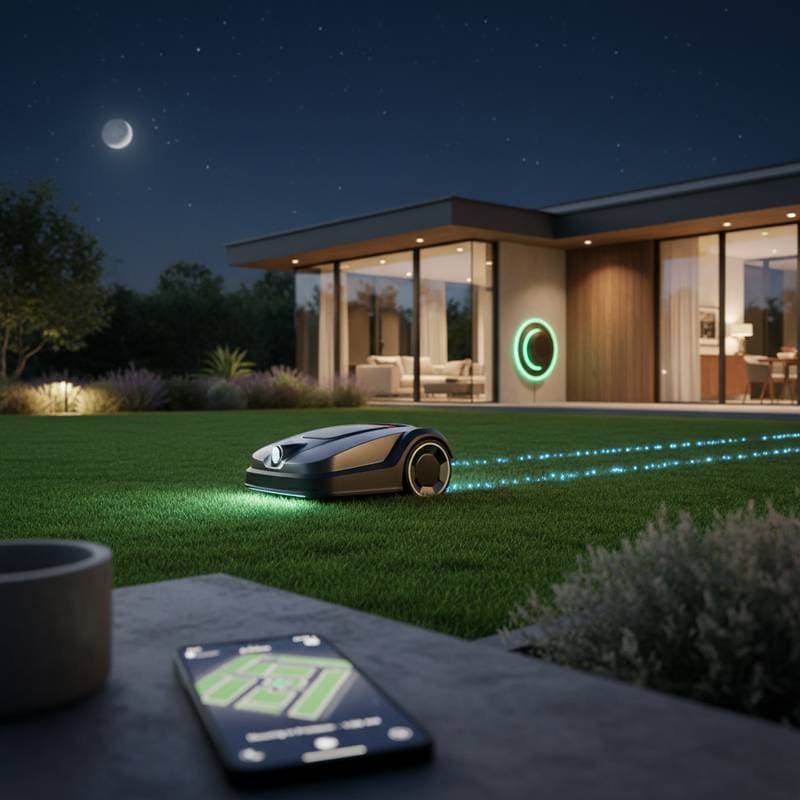
Robotic Mowers: Effortless Lawn Care While You Rest
Maintaining a pristine lawn traditionally demands significant time and physical effort, from pushing heavy mowers to meticulous trimming. Robotic mowers change this dynamic entirely. These innovative devices operate autonomously, gliding across the grass with precision and silence, allowing homeowners to enjoy their yards without the burden of routine upkeep.
Equipped with advanced sensors and algorithms, robotic mowers navigate complex landscapes effectively. They handle slopes up to 45 degrees, detect and avoid obstacles such as toys or furniture, and return to their charging stations when batteries run low. The outcome is consistently healthy turf, cut to uniform height, that enhances curb appeal and reduces overall maintenance needs.
Homeowners report substantial time savings, often reclaiming weekends previously spent on yard work. These machines also contribute to environmental benefits by using less fuel and water compared to traditional methods. As technology advances in 2025, models incorporate weather-resistant designs and app-based controls for even greater reliability.
At a Glance
Suitable Locations: Ideal for suburban homes, expansive rural properties, and compact urban yards with defined perimeters.
Accommodated Sizes: Effective in areas ranging from small courtyards under 1,000 square feet to large multi-zone landscapes exceeding 2 acres.
Climate Adaptability: Functions in temperate, humid, and dry regions; adjustable cutting heights and schedules adapt to seasonal grass growth.
Primary Goals: Achieve consistent lawn care with reduced noise, minimal energy consumption, and enhanced turf health through frequent, light cuts.
Establishing Boundaries for Precise Operation
Robotic mowers depend on clearly defined boundaries to operate within designated areas and steer clear of non-turf zones. Initial setup involves laying perimeter wires or configuring virtual maps via GPS-enabled models. This foundational step prevents the device from wandering into flower beds or driveways.
Experts emphasize the importance of thorough boundary planning. One maintenance specialist notes, "Invest time in precise boundary setup from the outset. This approach minimizes future adjustments and ensures reliable performance."
Key Benefits: Defined perimeters protect landscaping elements like garden borders and pathways from accidental damage, while promoting efficient mowing patterns.
Practical Tips: Position boundary wires approximately three inches inward from the lawn edge to facilitate clean cuts near hardscapes. For irregular shapes, use stakes to secure wires and test the mower's path multiple times before full deployment.
Real-World Application: In a yard featuring winding flower beds, a buried wire loop maintains a three-inch buffer, enabling the mower to achieve even trimming without encroaching on soil or mulch. This setup supports seamless transitions to patios or fences.
Visual Element: Perimeter wire aligns neatly alongside a stone border, integrating subtly into the overall landscape design.
Integrating with Smart Home Ecosystems
Seamless connectivity elevates robotic mowers from standalone tools to integral components of modern home systems. Most 2025 models pair with platforms like Google Home or Amazon Alexa, accessible through dedicated mobile applications. Users monitor real-time status, customize schedules, and issue commands from anywhere.
A certified technician explains, "Smart integration simplifies oversight entirely. Pause operations during unexpected rain or program a pre-event trim without leaving your desk."
Key Benefits: Remote access offers unparalleled flexibility, halting mowing during inclement weather to preserve equipment and lawn quality.
Practical Tips: Sync the mower with irrigation controllers to stagger operations, preventing cuts on wet grass that could clog blades or compact soil. Enable geofencing for added precision in multi-zone yards.
Real-World Application: An automated system postpones mowing following irrigation cycles, resuming only after the turf dries, which optimizes blade longevity and maintains soil aeration.
Visual Element: The app interface displays the mower's current position, battery level, and upcoming schedule for quick reference.
Optimizing Landscape Design for Smooth Navigation
Effective robotic mower performance hinges on yard layouts that facilitate unobstructed movement. Incorporate wide pathways, moderate inclines, and strategic zoning to minimize navigation challenges. During landscape planning, prioritize features that align with the mower's operational capabilities.
A professional garden designer advises, "Incorporate mower-friendly elements when redesigning spaces. Minor modifications, such as broader access routes, significantly boost efficiency."
Key Benefits: Streamlined designs lower energy demands and prolong battery life, ensuring comprehensive coverage without frequent recharges.
Practical Tips: Install paver or gravel transitions between turf and planting zones to guide the mower. Limit narrow passages to widths exceeding 18 inches, allowing easy turns and reducing the risk of getting stuck.
Real-World Application: In terraced gardens, gentle ramps connecting levels enable the mower to manage elevation shifts autonomously, eliminating the need for manual intervention.
Visual Element: A low retaining wall delineates turf from beds, providing a clear, navigable path for consistent mowing.
Prioritizing Safety and Security Measures
Safety features in contemporary robotic mowers safeguard users, pets, and the device itself. Integrated sensors detect lifts, tilts, or collisions, immediately halting blades to prevent injury. Security enhancements, including PIN locks and GPS tracking, deter theft and enable recovery if needed.
A security expert recommends, "Activate the PIN code immediately post-installation. This simple step deters unauthorized access and provides peace of mind."
Key Benefits: Advanced safeguards ensure safe coexistence with family members and animals, while protecting the investment from external threats.
Practical Tips: Position the charging station in a concealed, shaded spot to shield electronics from direct sun and reduce street visibility. Regularly update firmware for the latest security protocols.
Real-World Application: Nestled behind dense ornamental grasses like switchgrass, the dock remains protected and camouflaged, blending into the natural surroundings.
Visual Element: The charging station nestles discreetly among planting beds, maintaining an unobtrusive presence.
Embracing the Benefits of Automated Lawn Maintenance
With proper installation and ongoing adjustments, a robotic mower integrates seamlessly into daily life. It operates with a subtle hum, preserving the tranquility of your outdoor space while delivering professional-grade results. The uniform grass height fosters a cohesive aesthetic, where lawn edges meet borders with precision.
This automation shifts focus from labor to leisure. Host evening events undisturbed by noise, or start mornings with a ready-to-enjoy yard. Over time, the consistent light clippings nourish the soil, promoting denser, greener growth without chemical interventions.
Homeowners often discover additional advantages, such as reduced water usage through optimized cutting practices. The mower's eco-friendly profile aligns with sustainable living goals, cutting emissions and conserving resources. Ultimately, this technology transforms yard care into a background task, freeing time for what truly matters.