
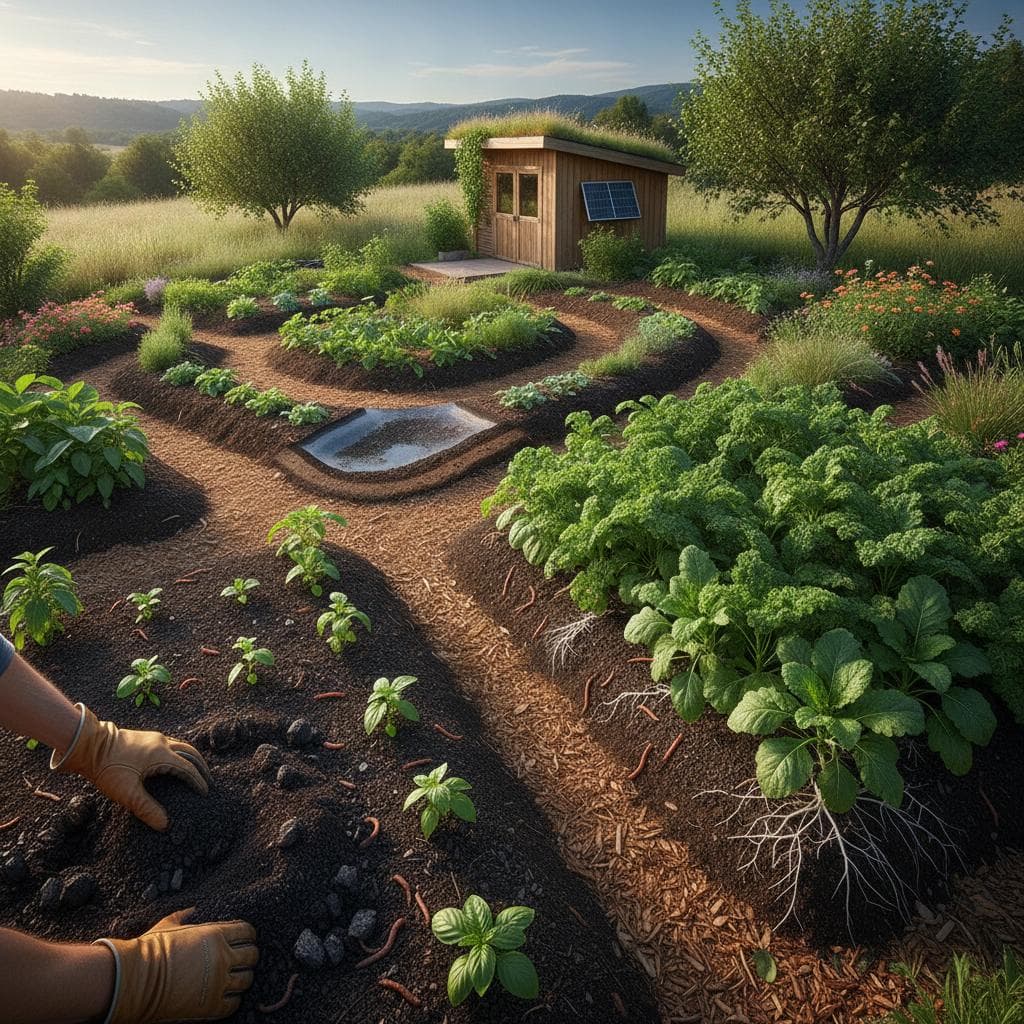
The Biochar Secret That Doubles Your Garden Growth
A thriving garden starts with living soil. Beneath every healthy plant lies a world of microorganisms, minerals, and organic matter working in balance. When that balance is right, plants grow faster, resist stress, and require less fertilizer. One material that quietly improves all those conditions is biochar. This ancient soil amendment has found new relevance for gardeners and landscapers seeking both performance and sustainability.
Biochar is not fertilizer, yet it helps fertilizers work better. It is not compost, but it deepens the effects of compost. Its power lies in structure and permanence. Biochar transforms ordinary soil into a resilient growth system that stores carbon and supports vigorous plant life.
1. Understand What Biochar Really Is
Biochar is a form of carbon-rich charcoal made by heating organic material such as wood chips or crop residues in a low-oxygen environment. The process, called pyrolysis, locks carbon into a stable form that can remain in soil for centuries. Unlike compost, which breaks down over time, biochar stays intact and acts as a framework for soil life.
A soil consultant might say, "Think of biochar as a sponge for nutrients and moisture. It captures what would otherwise wash away and makes it available to roots." This porous structure gives biochar its unique ability to support microbial life and improve soil texture without frequent reapplication.
2. Boost Nutrient Retention and Reduce Waste
Nutrients in soil often leach away after rain or irrigation. Biochar micro-pores capture nutrients like nitrogen and potassium and store them where roots can access them later. This retention reduces the need for synthetic fertilizers and keeps nutrients cycling within the soil.
When used in raised beds or landscape plantings, biochar minimizes fertilizer runoff that can pollute waterways. It also makes organic fertilizers more effective because fewer nutrients are lost. That efficiency translates into stronger plants and less maintenance.
A landscape designer said, "Once you add biochar, you notice plants stay greener between feedings. It is subtle but steady."
3. Support Carbon Sequestration and Regenerative Practices
Each handful of biochar represents carbon that would otherwise return to the atmosphere as carbon dioxide. When added to soil, that carbon becomes stable and is effectively locked away. This makes biochar one of the simplest tools for regenerative landscaping and climate-conscious gardening.
Beyond carbon storage, biochar encourages a cycle of renewal. Plant materials used to make biochar can come from pruned branches, crop residues, or other waste biomass. Gardeners can turn organic byproducts into a long-term soil resource rather than sending them to the landfill.
A regenerative designer said, "With biochar, every pruning session becomes an opportunity to build soil and store carbon."
4. Apply Strategically for Different Landscapes
Biochar works in any planting system, but the method and ratio depend on the setting. For vegetable gardens, mix it into the top 8 inches of soil before planting. In ornamental landscapes, integrate it into planting holes or bed amendments during establishment. For trees and shrubs, blend biochar with backfill soil to promote strong root establishment.
Examples include the following approaches.
- Vegetable beds: Mix 10 percent biochar by volume with composted soil.
- Perennial borders: Blend 5 percent biochar into topsoil during spring refresh.
- Lawns: Use a fine-grade biochar as part of a soil conditioner blend during aeration.
These applications gradually transform the soil from the inside out. Each season, roots grow deeper, microbial life increases, and the soil retains more nutrients and water.
Maintain Soil Health Season After Season
Once biochar becomes part of your soil, its benefits continue season after season. There is no need for frequent reapplication. Instead, focus on maintaining organic matter through compost, mulch, and cover crops. Over time, you will notice healthier plants, darker soil, and steadier moisture levels.
For landscape professionals, biochar offers a sustainable edge that resonates with clients who value environmental responsibility. For homeowners, it provides a simple path to better soil and visible growth improvements with minimal ongoing cost.
Healthy soil is the quiet foundation of every beautiful garden. With biochar, that foundation becomes stronger, more resilient, and more regenerative.