
** Locally produced from green waste, screened to remove large debris.
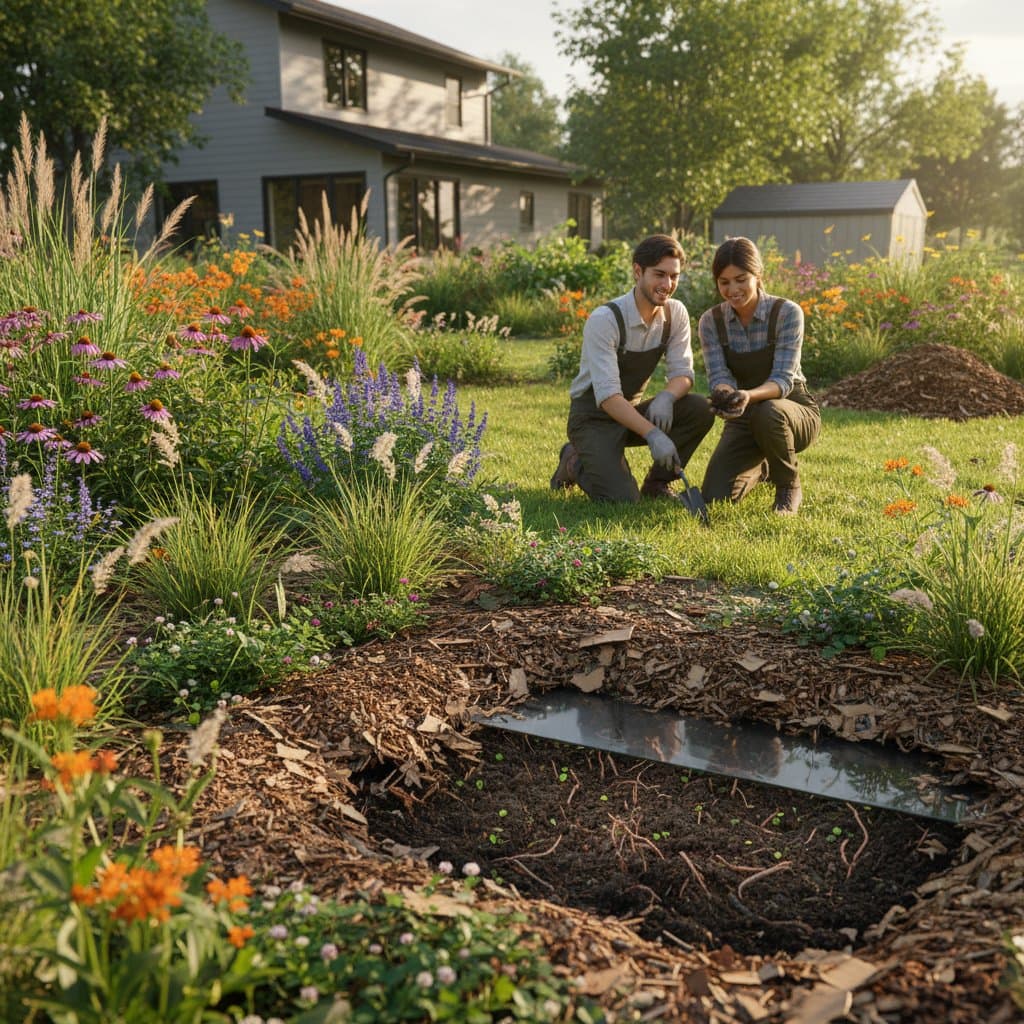
- Mulch: A blend of shredded oak leaves and arborist wood chips, applied at three inches deep.
- Edging: Reclaimed steel strips set flush with the ground to define planting zones without disrupting water flow.
- Irrigation: Drip lines buried beneath the surface to reduce evaporation and encourage deep rooting.
These choices promote water conservation and soil health. The mulch, in particular, moderates soil temperature and suppresses weeds effectively.
Designing Permeable Pathways
Pathways play a crucial role in functional landscapes. Clara and Miguel opted for crushed decomposed granite instead of concrete. This permeable material allows rainwater to infiltrate the soil, replenishing groundwater and preventing runoff.
The granite's warm gray hue complements the natural palette of native grasses and perennials. Stepping stones integrated into the paths provide stable footing while maintaining the area's permeability. Such design elements enhance usability without compromising ecological goals.
Enhancing Biodiversity with Pollinator Zones
Regenerative lawns extend beyond grass to support broader ecosystems. Clara and Miguel incorporated pollinator habitats along the borders to attract beneficial insects. These zones provide nectar sources and shelter, boosting local biodiversity.
They planted bands of flowering perennials, including Salvia nemorosa, Achillea millefolium, and Echinacea purpurea. These species bloom sequentially, offering forage from spring through fall. Low-growing and drought-tolerant, they require minimal care once established.
The layout maintains an open central lawn for recreation, with meadow-like edges for visual interest. This balance creates a refined appearance. "A regenerative yard can still look polished," Clara noted. "Structure and thoughtful placement make all the difference."
Essential Maintenance Practices
Sustaining a regenerative lawn involves straightforward, infrequent tasks. Clara and Miguel's routine demonstrates how minimal effort yields robust results.
- Mow high. Maintain grass at four inches to shade soil and deter weed germination.
- Water deeply. Apply one thorough soaking weekly during dry periods to promote deep root growth.
- Top-dress annually. Spread a half-inch layer of compost each spring to nourish soil biology.
- Prevent compaction. Install stepping stones for high-traffic areas to protect root zones from compression.
- Monitor and reseed. Address thin spots by overseeding with the original native mix to ensure even coverage.
These steps keep the lawn adaptive to seasonal changes. Regular observation allows for timely adjustments, preserving the system's vitality.
The Role of Home Lawns in Carbon Storage
Carbon sequestration in residential settings contributes meaningfully to climate mitigation. Regenerative lawns excel at this through extensive root systems and diverse plantings. Native grasses and forbs develop deep roots that store carbon in the soil for years.
A single household lawn can sequester several pounds of carbon annually, depending on its size and health. Diverse mixes outperform monocultures, as varied roots enhance microbial activity and organic matter accumulation. Beyond storage, these lawns cut emissions by eliminating synthetic fertilizers and reducing mower use.
They also mitigate urban heat islands. Shaded, vegetated yards lower local temperatures, improving comfort and energy efficiency for homes.
Everyday Benefits of a Regenerative Yard
After several months, Clara and Miguel experience tangible improvements in their daily lives. The soil remains friable after rains, absorbing water efficiently. Irrigation needs have dropped significantly, freeing up time and resources.
Wildlife activity has increased, with birds and pollinators adding vibrancy. The yard's fresh scent and cooler microclimate enhance outdoor enjoyment. "Knowing the lawn contributes to the planet makes it all worthwhile," Miguel shared. "We no longer battle nature; we work with it."
For those embarking on this transition, start small. Test a section to observe soil responses before scaling up. Select plants adapted to your region's climate for optimal performance with low inputs.
Toward Resilient Community Landscapes
Regenerative lawns represent individual actions with collective impact. Each transformed yard builds soil health and sequesters carbon, linking into neighborhood networks of ecological support. Over time, these spaces foster resilient communities better equipped for environmental challenges.
View your lawn as an interconnected ecosystem. This perspective shifts maintenance from chore to stewardship, yielding beauty and sustainability in tandem.