
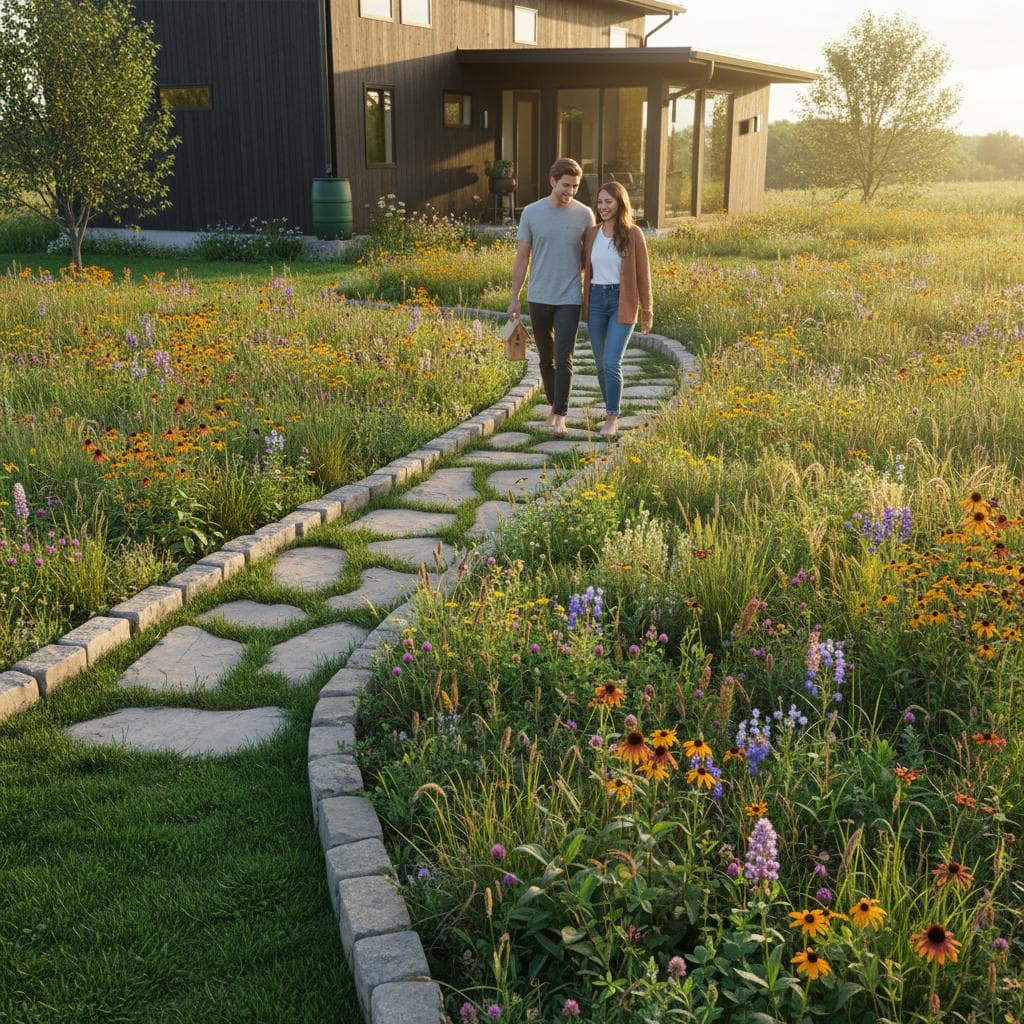
Why Homeowners Choose Wild Lawns Over Manicured Ones
A precisely clipped lawn long represented status and discipline. In recent years, however, numerous homeowners opt for a more relaxed and vibrant alternative. Wild lawns welcome birds, butterflies, and inherent charm into the garden, simultaneously reducing upkeep demands and water consumption.
At a Glance
Location: Suburban and rural settings
Size: Ranging from compact front yards to expansive multi-acre estates
Climate Zone: Flexible when selecting regionally appropriate plants
Project Goal: Develop a low-maintenance landscape rich in biodiversity
1. Prioritize Native Plants as the Foundation
The foundation of a wild lawn lies in selecting appropriate vegetation. Native grasses, blooming perennials, and ground covers flourish in local soil and weather patterns, requiring minimal irrigation and nutrient supplements. These choices also provide essential habitats for pollinators and beneficial insects, promoting a balanced ecosystem.
A designer observes, "Native plants perform the essential work, generating enduring beauty with minimal intervention."
Functional Benefit: Lowers water consumption and eliminates the need for synthetic chemicals.
Design Insight: Combine varied textures and heights to evoke a natural meadow aesthetic.
Examples: Little bluestem offers graceful movement in breezes, prairie dropseed provides subtle texture, and black-eyed Susans deliver seasonal bursts of color and seed heads for winter interest.
To implement this, assess your region's native plant lists from local extension services. Start with a soil test to match plants to your site's conditions, ensuring long-term success. This approach not only saves resources but also creates a visually dynamic space that shifts appealingly throughout the year.
Visual Callout: Tufts of prairie grass capture sunlight alongside a winding gravel path.
2. Redefine Neatness with Strategic Structure
A wild lawn need not appear unkempt. The key involves providing subtle framing to guide the eye. Elements such as mowed borders, stone edgings, or compact patios introduce clarity and purpose, reassuring observers that the design reflects deliberate choice rather than oversight.
Functional Benefit: Enhances accessibility and usability within the landscape.
Design Insight: Juxtapose untamed zones against precise lines to achieve a blend of vitality and serenity.
Example: A narrow mowed verge beside a walkway delineates circulation areas, allowing wildflowers to flourish freely on the other side.
A landscape architect notes, "Structure draws visitors closer, while wild sections restore harmony with the environment."
For practical application, map out high-traffic zones first and install durable borders using materials like reclaimed stone or recycled composites. This setup prevents overgrowth into functional spaces and maintains an inviting curb appeal. Over time, the contrast highlights the wild area's organic growth patterns.
Visual Callout: A gravel border distinctly separates swaying meadow grasses from a smooth paved seating zone.
3. Foster Biodiversity to Minimize Weeds
Wild lawns emphasize variety over uniformity. By planting robust native species and dense ground covers, available space for unwanted invasives diminishes significantly. Incorporating multiple layers, from low-growing sedges to upright flowers, establishes diverse microhabitats that support birds, insects, and soil health.
Functional Benefit: Strengthens the garden's resilience and cuts down on manual weeding efforts.
Design Insight: Select plants with overlapping bloom periods to sustain ecological activity across seasons.
Examples: Bee balm draws hummingbirds with its tubular flowers, coneflowers provide nectar for bees and sturdy stems for nesting, and wild bergamot offers aromatic foliage that deters pests naturally.
To achieve this, prepare the site by removing existing turf through sheet mulching, a method that smothers grass without tilling and preserves soil structure. Introduce plants in clusters for better establishment, and monitor for the first year to adjust as needed. This proactive diversity turns potential weed problems into opportunities for wildlife observation.
A landscape designer remarks, "A thriving wild lawn buzzes with activity, signaling its effectiveness as an ecosystem."
Visual Callout: A goldfinch balances on the seed-laden stem of a purple coneflower.
4. Integrate Paths and Seating for Engagement
Wild landscapes encourage discovery and interaction. Curving paths of gravel or flagstone guide visitors through the plantings, revealing hidden views and textures. Strategic seating, such as a bench or modest deck, offers moments of repose amid the surroundings, elevating the yard from mere scenery to an immersive retreat.
Functional Benefit: Promotes mindful engagement with the environment and facilitates restful experiences.
Design Insight: Employ subdued, earth-toned materials that complement rather than compete with the flora.
Examples: Position a cedar bench adjacent to towering switchgrass for sheltered views, or lay stepping stones amid blooming asters to create an exploratory trail.
A garden builder comments, "Once individuals navigate the landscape, their relationship with it transforms profoundly."
Begin by sketching desired routes based on daily use patterns, ensuring paths are at least three feet wide for comfort. Source local stone or permeable pavers to aid drainage and reduce runoff. These features not only connect people to nature but also highlight the garden's evolving beauty, from spring blooms to autumn foliage.
Visual Callout: Flat flagstones meander softly through clusters of tall meadow flowers.
Embracing Seasonal Changes in Your Wild Lawn
A wild lawn evolves with the calendar, swaying in winds, self-seeding, and revealing unexpected elements. Homeowners who adapt to these cycles discover a deepening attachment to their space. Maintenance evolves from frequent mowing to occasional pruning and observation, allowing nature's processes to unfold.
This approach yields a yard brimming with vitality, interconnection, and subtle wonders unavailable in rigidly groomed designs. Residents report greater satisfaction from witnessing wildlife cycles and plant adaptations, fostering a sense of stewardship. Ultimately, the wild lawn reclaims the garden as a dynamic partner in daily life, rewarding patience with authentic, enduring appeal.