
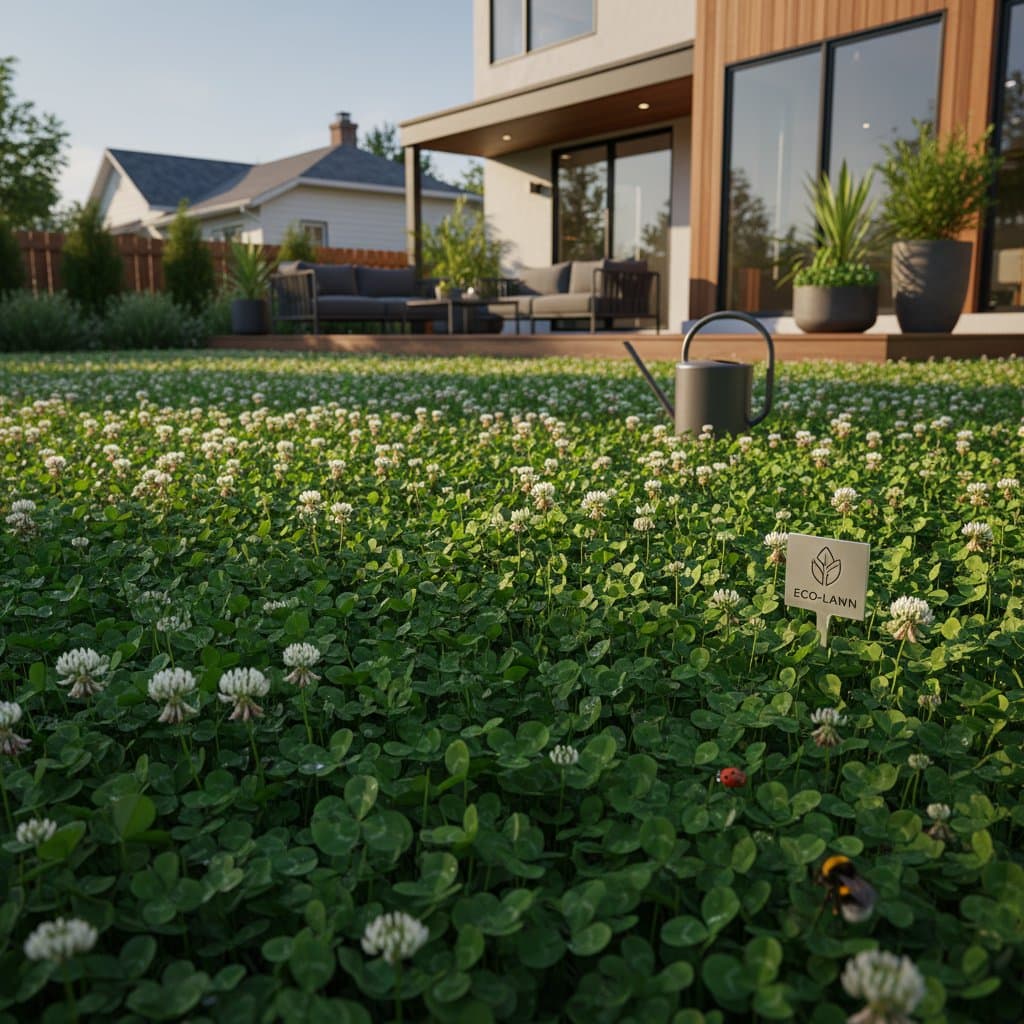
Why Clover Lawns Outperform Grass as 2026's Sustainable Choice
When Maya and Jordan bought their suburban home, they wanted a backyard oasis that stayed green without constant watering or chemical treatments. They needed a safe play area for their children and a haven for pollinators, all while keeping the tidy look of a classic lawn. With help from landscape designer Lena Ortiz of Greenform Landscapes, they replaced patchy grass with a clover blend. The result was a tough, vibrant ground cover that thrives on minimal care and lower costs.
The Drawbacks of Traditional Grass Lawns
Conventional grass lawns project order and tradition, yet they consume vast resources. Regular mowing, heavy irrigation, and frequent chemical applications make them one of the most demanding features in residential landscapes. Clover, once dismissed as a weed, now earns praise for its ecological and practical advantages.
Ortiz explains, "Clover builds a living ecosystem right under your feet. It enriches the soil, supports bees, and holds its color through dry spells. This simple switch brings big rewards."
Clover lawns mark a shift beyond trends. They encourage a new view of outdoor spaces, prioritizing function, longevity, and planetary health over surface-level beauty.
Steps to Install a Clover Lawn
The installation began with soil preparation. Unlike grass, which depends on synthetic fertilizers for nutrient-deficient dirt, clover as a legume pulls nitrogen from the air and fixes it into the soil. The team added a thin layer of compost and lightly raked in the seeds to create a self-sustaining foundation for ongoing health.
Next, they updated the irrigation system with low-flow sprinklers set for infrequent, deep watering sessions. Once established, clover needs about half the water that grass demands. This change cut the family's water bill noticeably.
To manage rainwater better, the team shaped a subtle slope directing flow into a shallow swale edged with native sedges. This setup captures water on-site, reduces runoff to storm drains, and allows natural infiltration into the ground.
Choosing the Right Clover Types
Clover species vary in growth habits and ideal conditions. For residential lawns, microclover tops the list. It grows to only a few inches tall, blends well with fine fescue grasses, and stays green year-round in most climates. Dutch white clover, which reaches a bit higher, works best in relaxed meadows or low-use areas.
Maya found the decision easy once she understood the options. "We wanted something neat but full of life," she says. "Microclover hit that balance perfectly."
Top clover varieties for home use:
- Microclover: Low-growing with a uniform texture; ideal for play areas and everyday lawns.
- Dutch white clover: Taller with plentiful blooms; fits natural or meadow-style gardens.
- Strawberry clover: Pinkish flowers and salt tolerance; excels in coastal or challenging soils.
Homeowners can plant these alone or mix with grass for a hybrid that looks familiar but requires less maintenance.
Boosting the Aesthetic of Your Clover Lawn
Many worry that clover will look uneven or wild. In practice, it often proves the opposite. Microclover creates a soft, even surface with a consistent green tone that resists fading in heat.
Ortiz focused on clear boundaries in the design. "Defined edges make it intentional," she notes. "Stone or wood borders keep it from seeming overgrown."
In this yard, slim cedar edging separates the clover from nearby beds of sedum, lavender, and ornamental onions. The mix of heights and leaf shapes adds depth and structure without chaos.
Low-voltage warm lights along the deck highlight the clover at night. They reveal its subtle texture and create a peaceful glow for evening gatherings.
Everyday Care and Long-Term Enjoyment
Months after planting, the lawn manages itself with basic upkeep. The kids run and play without worry about chemical residues or worn patches. Bees buzz among the blooms, and the soil retains moisture during prolonged dry weather.
Maya appreciates the effortless feel. "It looks like any regular lawn," she shares, "but it works better in every way."
Mowing remains occasional, just to keep heights even. Occasional aeration in spring prevents compaction, and a yearly compost top-dress replenishes organic matter. These steps ensure the clover stays dense and healthy with far less effort than grass.
Key Advantages of Switching to Clover
Clover lawns promote eco-friendly habits while preserving play and curb appeal. They slash water and maintenance needs, welcome beneficial insects, and adapt to shifting climates. For anyone ready to rethink their yard, clover opens a straightforward path to balance between beauty and ecology.
Those who love green spaces keep the look they enjoy, plus gain resilience, savings, and richer soil. With thoughtful planning and the right varieties, a clover lawn realizes a thriving environment that benefits people and wildlife alike.