
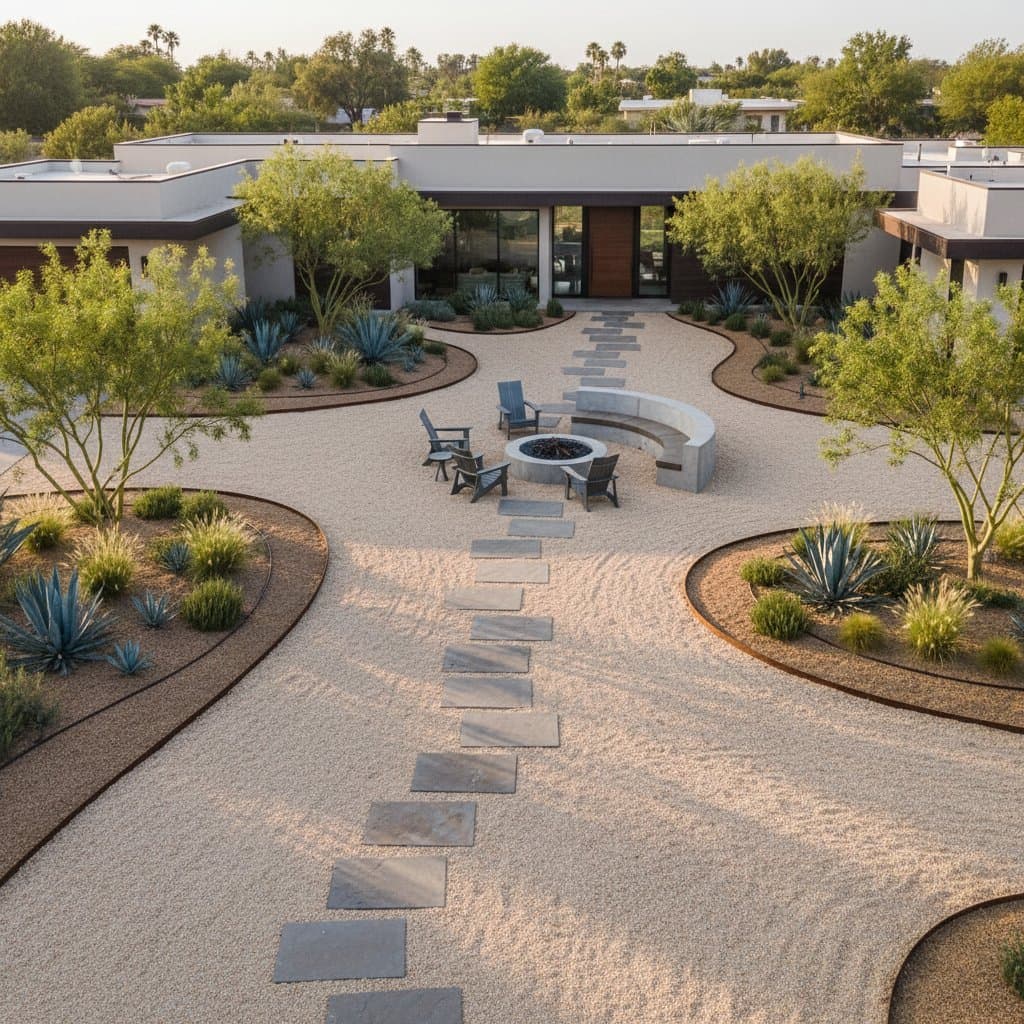
Discover Gravel Lawns for Effortless Savings
Gravel lawns provide a serene, resilient surface that maintains its appeal throughout the year without demanding extensive care. This approach suits contemporary urban spaces and traditional rural properties alike, delivering superior drainage, visual interest, and substantial reductions in time and resource demands. Homeowners weary of routine mowing, irrigation, and turf repairs find in gravel a deliberate, polished substitute that enhances outdoor living.
Key Project Overview
Suitable Locations: Ideal for arid or moderate climates
Applicable Yard Sizes: From compact patios to expansive lots
Best Climate Zones: Particularly effective in areas with limited rainfall
Primary Objectives: Minimize upkeep and water consumption while preserving aesthetic appeal
Step 1: Prepare the Site for Success
Begin by assessing your yard's layout and soil conditions to ensure a stable base. Clear existing vegetation, level the ground, and install a permeable weed barrier to prevent unwanted growth and eliminate the need for chemical controls. This foundation supports long-term durability and simplifies future adjustments.
Incorporate smart edging with materials such as recycled plastic, metal strips, or natural stone to define boundaries and contain the gravel. Edging not only enhances visual definition but also prevents erosion and migration of stones during heavy rains. Professionals recommend edging depths of at least four inches for optimal performance in varied terrains.
Step 2: Select the Ideal Gravel Mix
The choice of gravel influences both aesthetics and functionality. Options like pea gravel offer smooth walking surfaces, while decomposed granite provides a finer, more compact texture suitable for pathways. Crushed limestone adds a rustic charm with its varied hues and excellent drainage properties.
Opt for gravel sizes around 3/8 inch in angular shapes, as they interlock effectively to minimize shifting underfoot. Select colors that harmonize with your home's architecture; for instance, warm beige tones complement sleek modern exteriors, whereas cool grays blend seamlessly with timber or metallic elements. A landscape expert notes, "Aligning gravel shades with building palettes fosters a unified outdoor environment."
Lay the gravel in layers of two to three inches for proper coverage, compacting each layer to promote stability. This method ensures the surface remains even and comfortable for daily use.
Step 3: Incorporate Native Plants and Features
Enhance your gravel lawn with strategically placed native plants to boost biodiversity and add vertical interest without increasing maintenance. Drought-tolerant species such as lavender, succulents, or ornamental grasses thrive in gravel settings, requiring minimal watering once established. Cluster these plantings in defined zones to create focal points that soften the hardscape.
Design simple pathways or borders using larger stones or pavers integrated into the gravel for improved navigation. These elements guide foot traffic and prevent wear in high-use areas. Native integrations not only support local ecosystems but also reduce the overall water footprint of your landscape.
Step 4: Add Seating and Shade Elements
Transform the gravel surface into an inviting gathering spot by introducing durable seating arrangements. Select weather-resistant options like teak furniture, powder-coated metal chairs, or sturdy stone benches that withstand exposure without fading. Position these near key views or activity zones to maximize usability.
Install a pergola or shade sail to provide relief from intense sun, extending the comfort of the space into summer evenings. Gravel's reflective quality diffuses light softly, enhancing ambiance under string lights or lanterns. One designer observes, "Gravel captures and scatters evening glow, fostering a tranquil atmosphere as dusk falls."
Visual suggestion: A wooden pergola projects intricate shadows over the gravel expanse, inviting relaxation.
Step 5: Implement Routine Upkeep Strategies
Gravel lawns demand significantly less attention than grass, typically reducing maintenance expenses by 70 percent. Rake the surface periodically to redistribute stones and maintain uniformity, a task that takes mere minutes compared to hours of mowing. Replenish gravel every two to three years to refresh appearance and depth.
Address weeds through manual removal or by increasing gravel thickness, avoiding reliance on herbicides. The absence of irrigation setups, fertilizers, and seasonal reseeding translates to considerable savings in both effort and utilities. A seasoned contractor explains, "Gravel installations prove reliable post-setup, allowing light touch-ups instead of ongoing labor."
Experience the Benefits of Your Gravel Landscape
Adopting a gravel lawn reshapes daily interactions with your outdoor space, shifting focus from chores to leisure activities like entertaining or contemplation. Quick drainage after storms keeps areas dry and accessible, while the material's inherent cleanliness supports year-round functionality.
This design choice delivers enduring practicality and elegance, conserving resources and infusing natural texture into settings from urban courtyards to rural retreats. As the gravel develops a subtle patina over time, it underscores a key truth: streamlined care amplifies opportunities for outdoor pleasure.