
The Emergence of Clover Lawns: Grass on the Decline by 2026
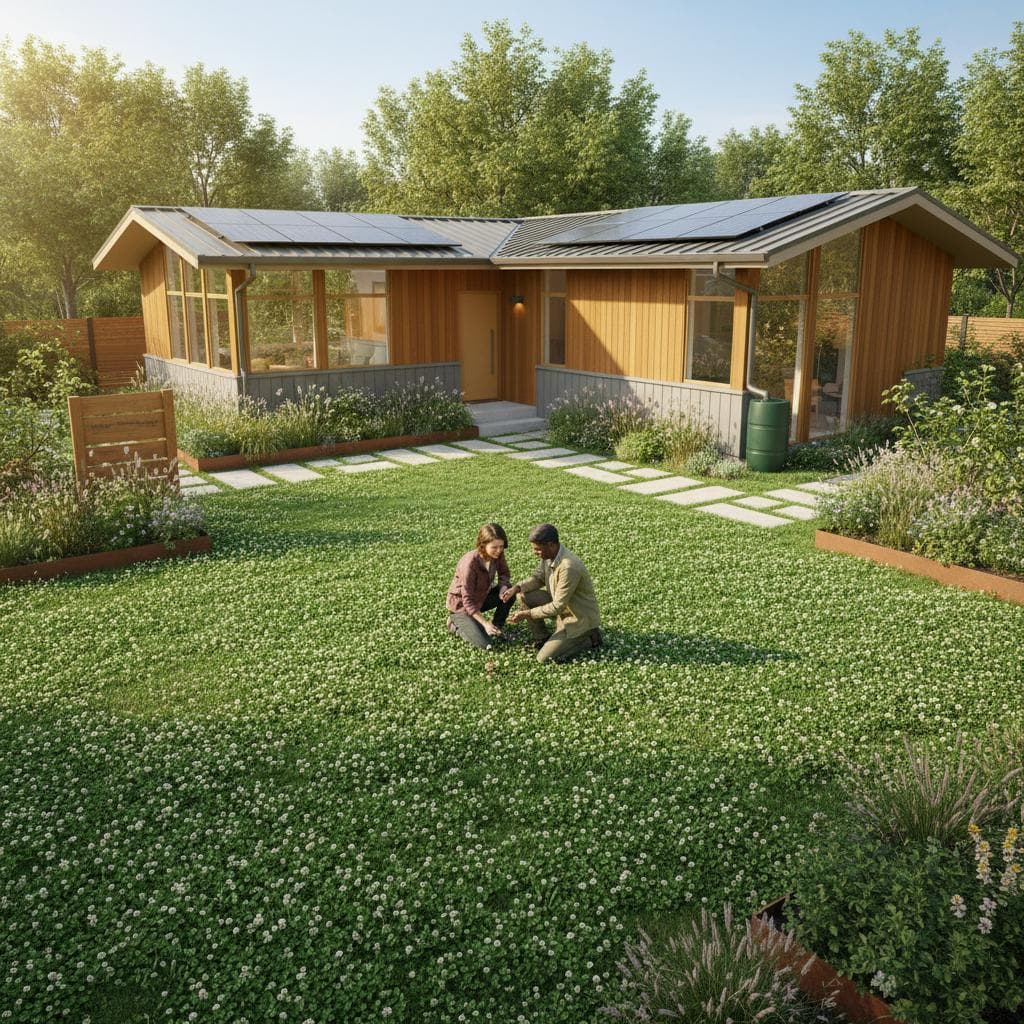
Lila and Marcus sought a yard that aligned with their values when they bought their suburban home. They prioritized low maintenance, water efficiency, and habitats for wildlife. Instead of striving for a flawless grass lawn, they envisioned a verdant expanse that invited pollinators and felt comfortable underfoot. In one growing season, their standard grass transformed into a vibrant clover field, complete with white flowers that persisted while neighboring lawns turned dormant.
Key Project Details
- Homeowners: Lila and Marcus, a graphic designer and a teacher
- Setting: Suburban area near a modest city
- Property Size: Quarter-acre plot
- Designer: Hannah Reid of Greenform Studio
- Installer: MeadowWorks Landscapes
- Objective: Transition from demanding grass to a durable, environmentally sound ground cover
Exploring the Transformed Landscape
The front yard of Lila and Marcus features a subtle slope toward the street. What was once a monotonous stretch of Kentucky bluegrass, requiring frequent mowing and irrigation, now pulses with vitality. A thick clover layer spreads across the space, accented by delicate white blooms that move with the wind.
A slim stone walkway connects the driveway to the porch. Hannah incorporated thyme, creeping fescue, and patches of native sedge along the borders to create seamless shifts between areas. The central clover zone maintains an even height, demanding little more than occasional attention.
In the backyard, the focus shifted to social spaces. A round patio made from recycled bricks serves as the centerpiece. Surrounding it, a combination of microclover and Dutch white clover forms a plush, resilient surface. Marcus noted, "We can sit directly on it. It remains cool and resists turning muddy."
Selecting Species and Installation Methods
Hannah based her plan on two primary varieties: Trifolium repens, or Dutch white clover, and Trifolium repens var. pirouette, a microclover featuring compact leaves and reduced flowering. This blend provides varied texture and enhances longevity under foot traffic.
Aesthetics played a central role for Lila and Marcus, who desired a neat finish to complement their contemporary cottage style. Microclover lines the pathways for a refined edge, while the larger-leaved Dutch white clover occupies broader sections.
The setup process proved simple and effective:
- Eliminate Existing Turf: Professionals employed a sod cutter to remove the old grass, followed by spreading compost to amend and even the soil.
- Sow the Seeds: Workers broadcast the clover seed mix and gently raked it into the topsoil.
- Apply Mulch Layer: They covered the area with a light straw mulch to retain moisture through the initial growth phase.
- Initiate Watering: Gentle daily sprinkling for the first seven days encouraged germination without overwhelming the seeds.
By the end of eight weeks, a solid green cover enveloped the yard. The design required no chemical fertilizers.
To deepen the coverage, consider soil testing before starting. Aim for a pH between 6.0 and 7.0, and incorporate organic matter if the ground compacts easily. These preparations ensure the clover establishes roots quickly and spreads uniformly.
Evaluating Other Ground Cover Options
Clover stands out among turf alternatives, but it often pairs well with complementary plants. Many opt for integrations with water-wise grasses like fine fescue or buffalo grass to achieve hybrid lawns. For full replacements, groundcovers such as creeping thyme or sedum offer viable paths.
Choices depend on site specifics:
- Microclover Hybrids: Ideal for households seeking a traditional lawn texture with added sustainability.
- Fescue and Clover Combinations: Perform well in temperate zones with intermittent shade.
- Native Meadow Styles: Boost local ecosystems and demand scant intervention after rooting.
Hannah advises viewing the yard as an interconnected ecosystem. "Lawns need not rely on a single species. Diverse plantings build strength against stresses like drought or pests," she explained.
When planning, assess sunlight exposure and traffic levels. High-traffic zones benefit from tougher mixes, while shaded spots favor shade-tolerant clovers. Testing small patches first reveals how options adapt to your microclimate.
Cultural and Practical Momentum
Clover lawns reflect evolving priorities among homeowners, who increasingly weigh the burdens of conventional grass in terms of expense and ecology. Cities respond by endorsing conserving landscapes and easing regulations that enforced grass dominance.
At Greenform Studio, Hannah observes growing demand for non-grass solutions nationwide. "Clients seek deliberate designs that avoid any unkempt vibe. Clover strikes that perfect harmony between structure and nature," she shared.
Seed providers now stock ready-to-use blends for microclover or pollinator-supporting lawns, sometimes incorporating traces of resilient grasses for stability. Garden stores see clover packets vanish from shelves each spring, underscoring the surge in interest.
This shift accelerates as climate concerns mount. Water restrictions in arid regions push residents toward alternatives, while urban planners promote clover in public spaces to cut maintenance budgets. By 2026, experts predict clover will dominate new installations, driven by both policy and preference.
Addressing Common Doubts
Resistance often stems from outdated views of clover as an invasive weed. Historical lawn care texts advocated its removal, a mindset that synthetic chemicals reinforced. Today, that narrative evolves as benefits come into focus.
Hannah clarified, "Clover never posed an inherent issue. It thrived in natural mixes before modern interventions. We simply reclaim proven methods."
The flowers pose no challenge to control. A mow every two to four weeks preserves a polished profile. Microclover options, with their sparse blooms and low stature, suit those desiring uninterrupted greenery.
To ease concerns, start with a trial area. Monitor growth for a season to confirm compatibility with your routine. Professional consultations can tailor varieties to sidestep allergies or aesthetic preferences.
Sustaining and Enjoying the Clover Yard
Several months post-installation, Lila and Marcus appreciate the yard's seasonal adaptations. It densifies with rainfall, endures summer warmth without wilting, and attracts bees while staying manageable. Their utility costs plummeted, freeing time for leisure.
This space embodies redefined lawn ideals. Clover meets demands unmet by grass, from resource preservation to biodiversity enhancement, all while preserving appeal. Homeowners embracing it gain yards that thrive with minimal effort, fostering lasting environmental harmony.