
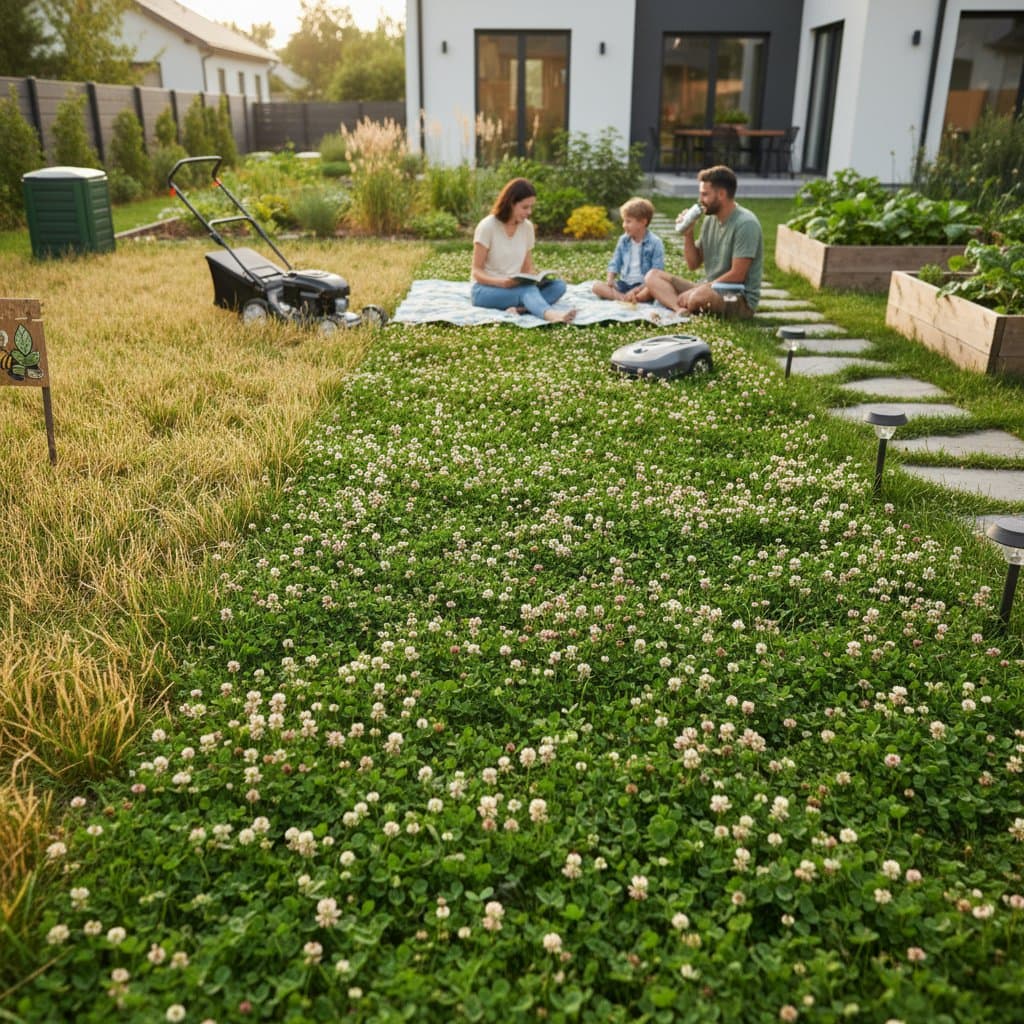
Why Homeowners Are Switching From Grass to Clover Lawns
A lush green lawn has long been a symbol of pride for homeowners. Yet across California and beyond more people are rethinking what a healthy yard really looks like. Traditional turf grass once the default choice is giving way to a softer more sustainable alternative: clover. The shift is not about abandoning aesthetics but about creating landscapes that look beautiful feel inviting and work in harmony with the environment. Clover lawns are transforming outdoor spaces into low maintenance eco friendly retreats that fit the way people live today.
The Hidden Cost of Traditional Grass
Grass lawns might look simple but maintaining them is anything but. Between weekly mowing constant watering and the steady use of fertilizers the upkeep can feel like a full time commitment. In regions with dry summers or limited rainfall keeping grass green becomes especially challenging. The time and resources required often outweigh the enjoyment they bring.
Traditional turf grasses also tend to struggle with soil quality and pests. Many species have shallow roots that dry out quickly leaving bare spots or yellow patches. Homeowners often respond with more irrigation and chemical treatments which can strain budgets and affect local ecosystems. The cycle repeats season after season demanding more input for less reward.
Clover as a Practical Alternative
Clover was once a common feature in lawns before synthetic herbicides made it an unwanted weed. Today it is being rediscovered as a practical and attractive alternative. The most popular varieties for lawns include white clover and microclover both known for their soft texture vibrant green color and ability to stay lush even in challenging conditions.
What makes clover remarkable is its natural efficiency. It can thrive where grass struggles needing far less water and fertilizer. Its roots reach deep into the soil holding moisture longer and improving soil structure over time. Clover also partners with beneficial bacteria to convert nitrogen from the air into forms plants can use. This built in fertilization means the entire lawn stays greener without the chemical boost.
Key Benefits That Win Homeowners Over
Clover lawns offer more than just lower maintenance. They bring a range of practical advantages that directly improve everyday life outdoors.
-
Reduced Water Demand. Clover stays green even in hot dry weather. Its deep roots pull moisture from lower soil layers reducing the need for frequent watering. This natural resilience is especially valuable in arid climates where water conservation is both a necessity and a civic responsibility.
-
Minimal Fertilizer Use. Because clover creates its own nitrogen it naturally feeds itself and nearby plants. Homeowners who switch often find they can stop fertilizing altogether saving money and eliminating runoff that can harm local waterways.
-
Fewer Weeds and Pests. Clover tends to form a dense uniform mat that crowds out most common weeds. It attracts beneficial insects like bees and predatory wasps which help control unwanted pests. This creates a balanced mini ecosystem right in the yard.
-
Soft Comfortable Texture. Barefoot walking on clover feels soft and springy which makes patios and play areas more inviting. It also resists the prickly dryness that grass develops in summer heat.
-
Low Mowing Requirements. Clover grows to a consistent height and rarely gets tall enough to need regular mowing. Many homeowners only trim it a few times per season to maintain a tidy look.
-
Eco Friendly Aesthetic. A clover lawn has a subtle sheen and rich color that stays vibrant throughout the year. For homeowners who value a natural slightly meadow like appearance it offers beauty with integrity.
Comparing the Costs
The initial cost of converting to clover is modest especially when compared to the long term expenses of maintaining grass. A bag of clover seed goes a long way and most lawns can be established through overseeding existing turf. Over time the savings on water fertilizer and maintenance equipment become substantial.
For instance a typical grass lawn may require weekly mowing and multiple irrigation cycles per week during dry months. A clover lawn by contrast may need watering only once every few weeks and mowing just a few times per season. The reduction in fuel use time and water bills adds up quickly. Many homeowners also appreciate the indirect savings from less wear on tools and reduced energy consumption.
Design Flexibility and Visual Appeal
Clover lawns are not a one size fits all solution. They can be tailored to suit different design goals and lifestyles. Some homeowners prefer a pure clover lawn for its uniform look and simplicity. Others choose a mixed lawn that blends clover with drought tolerant grasses such as fescue or rye. This combination offers a familiar texture with the resilience and moisture retention of clover.
Clover also pairs beautifully with pathways patios and native plant borders. Its fine leaves and low profile create a soft visual transition between hardscape and garden beds. In smaller spaces it can serve as a living groundcover around stepping stones or under fruit trees. The versatility allows for creative layouts that keep outdoor spaces functional and cohesive.
Common Questions and Practical Tips
Will clover attract too many bees? Clover flowers are beloved by pollinators but if you prefer fewer bees in play areas you can simply mow before flowering. Microclover varieties produce fewer blooms making them ideal for households with children or pets.
Does clover handle foot traffic well? Yes within reason. It tolerates moderate use such as walking lounging or light play. For high traffic zones adding flagstone paths or pavers helps balance function with beauty.
Can clover grow in shade? Clover does best in partial sun but can handle light shade. In heavily shaded yards combining it with shade tolerant groundcovers like creeping thyme or moss creates a more complete and resilient surface.
How do I start? The simplest method is overseeding. Mow your existing grass short rake lightly to expose the soil and spread clover seed evenly. Keep the area moist until germination and avoid heavy traffic until the new growth establishes. Within a few weeks you will notice a lush even carpet forming.
Environmental and Lifestyle Benefits
Beyond the visual and practical advantages clover lawns contribute to larger environmental goals. They reduce chemical use protect groundwater and support pollinator populations. The soil beneath a clover lawn becomes richer and more stable over time improving drainage and reducing erosion.
For families this translates into safer chemical free yards where children and pets can play freely. For communities widespread adoption of clover lawns means less water waste and more resilient neighborhood landscapes that withstand changing weather conditions. The shift also reflects a growing appreciation for balance where beauty and responsibility go hand in hand.
Working With Professionals
Landscape designers and garden contractors have become strong advocates for clover based lawns. Professionals can help assess soil conditions recommend the best clover varieties and ensure proper irrigation setup. For homeowners who prefer a blend of aesthetics and performance professional guidance can make the transition smoother and the results more consistent.
Clover lawns also fit beautifully within larger sustainable landscape designs. They complement native plant gardens rainwater harvesting systems and permeable paving installations. For anyone building or renovating an outdoor space integrating clover adds both visual interest and ecological value.
Living With Your Clover Lawn
Once established a clover lawn becomes remarkably self sufficient. Occasional trimming keeps it neat and light watering during extended dry spells helps maintain its color. Many homeowners find that their clover lawn improves each year as it naturally reseeds and enriches the soil below.
The shift from grass to clover is not just a design choice but a lifestyle adjustment toward simplicity and sustainability. It reflects a mindset that values ease of care environmental responsibility and authentic beauty.
By choosing clover you invest in a landscape that thrives with less intervention and honors the rhythm of nature. It is a small change that brings lasting rewards one green leaf at a time.