
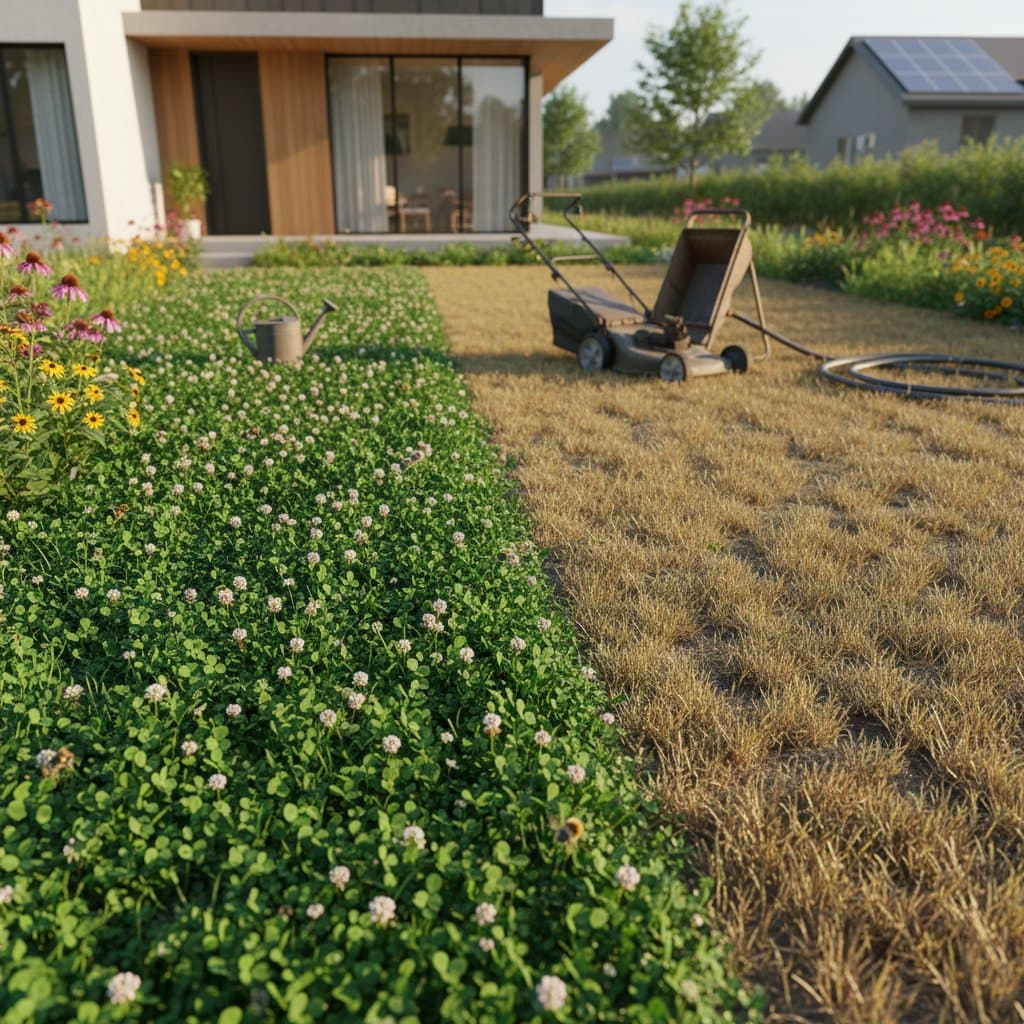
Why Clover Lawns Outperform Traditional Grass in Eco-Friendly Yards
A vibrant green lawn often represents an ideal outdoor space, yet conventional turf grass demands substantial water, chemical inputs, and frequent upkeep. Homeowners throughout California and similar regions now turn to clover lawns as a superior, sustainable option. Clover demands less water, flourishes in suboptimal soil, and maintains its color with limited intervention. For those pursuing an environmentally conscious yard that remains attractive across seasons, transitioning from grass to clover conserves time, finances, and natural resources while fostering a more robust landscape.
Rethinking the Conventional Lawn Approach
Traditional turf grass suits areas with consistent precipitation and temperate conditions, rather than the arid summers and variable weather prevalent in California. Maintaining its vibrancy typically involves intensive irrigation, synthetic fertilizers, and pesticides, which burden municipal water systems and contaminate soil and aquifers.
Clover lawns provide a compelling alternative. After establishment, clover withstands dry periods, minimizes fertilizer requirements, and enhances soil quality. It creates a thick, supple mat that invites pollinators and offers a welcoming texture, delivering aesthetic appeal without relentless maintenance.
Clover's Natural Symbiosis with the Environment
As a member of the legume family, clover naturally absorbs nitrogen from the air and deposits it into the soil. This mechanism nourishes surrounding vegetation, establishing an autonomous fertilization cycle that promotes vigorous development free from synthetic additives. In comparison, grass lawns depend on regular applications of external nutrients to sustain their hue and thickness.
This nitrogen fixation extends benefits to adjacent plants. In blended lawns combining clover with native grasses, overall soil fertility improves, yielding a more stable ecosystem that demands reduced seasonal interventions.
Selecting Appropriate Clover Varieties for Lawns
Clover species vary in growth habits, making selection crucial based on desired appearance, local climate, and care level.
- White Dutch Clover: A popular lawn option that grows low, expands rapidly, and retains green during moderate dry spells.
- Microclover: A refined form of white clover featuring smaller leaflets and a seamless look. It integrates well with grass for a polished, orderly finish.
- Strawberry Clover: Taller and resilient to salty soils, ideal for seaside properties.
- Crimson Clover: Visually striking in meadow blends, though better for low-traffic areas than full lawns.
Microclover stands out for most properties. It remains low-profile, endures moderate use, and provides a deliberate, even surface.
Achieving Significant Water Conservation
An established clover lawn uses considerably less water than turf grass. Its roots penetrate deeper, accessing subsoil moisture during extended dry periods. In California's Mediterranean climate, mature clover sustains itself with infrequent, thorough watering.
This efficiency translates to substantial savings. Homeowners can slash outdoor water consumption, lowering bills and contributing to regional conservation initiatives, especially where grass requires weekly summer irrigations.
Streamlining Lawn Care Routines
Conventional lawns necessitate ongoing mowing, nutrient applications, and insect management. Clover simplifies these tasks effectively.
- Reduced mowing frequency: Clover maintains a low stature and reaches a natural limit, often requiring cuts only several times annually.
- Elimination of fertilizers: Internal nitrogen generation ensures sustained vitality without supplements.
- Fewer pest issues: Clover resists common diseases and deters typical lawn pests.
- Rapid recovery: Areas affected by activity or animals regrow swiftly, minimizing bare patches.
Such attributes yield a well-kept lawn with minimal weekly demands, suiting active families who value leisure over labor.
Fostering Pollinator Habitats and Vital Soil
Beyond ground coverage, clover nourishes essential wildlife. Its delicate white or pink blooms draw honeybees, solitary bees, butterflies, and other pollinators, bolstering productivity in nearby edible gardens and ornamentals.
Soil health improves markedly as well. Clover roots enhance structure and permeability, while accumulating organic material over time. This cultivates a thriving subsurface realm for worms and microbes, diminishing reliance on external soil enhancers.
Enhancing Visual Appeal and Practical Use
Clover lawns need not appear unkempt; contemporary selections deliver sophisticated results. Microclover's compact form yields a sleek, verdant expanse that harmonizes with hardscapes, borders, or contemporary designs. Its color persists vibrantly when grass yellows in heat.
The texture invites casual enjoyment, from strolling barefoot to hosting gatherings or designating play zones. Clover remains cooler in sunlight and avoids the sogginess of grass post-rainfall.
Dispelling Frequent Concerns About Clover
Potential adopters often pause due to misconceptions. Addressing these clarifies clover's viability.
- Pollinator attraction poses risks to children: Clover draws bees, but trimming prior to flowering minimizes blooms in active zones. Designate pollinator patches separately from play spaces for balanced benefits.
- Appearance seems untidy: With correct seeding and upkeep, clover forms a solid, uniform cover. Opt for microclover to achieve a groomed aesthetic.
- Winter vulnerability: In temperate zones, clover greens much of the year; in cooler areas, it revives promptly with spring warmth.
- Excessive spreading: Regular edging and mowing contain growth effectively, rendering it less aggressive than many grasses.
Proper techniques ensure clover delivers rewards without drawbacks.
Steps to Convert from Grass to Clover
Lawn conversion avoids complete overhaul, with methods tailored to current conditions.
- Overseeding an existing lawn: Cut grass short, loosen the surface with a rake, distribute seeds uniformly, and irrigate gently for several weeks to encourage establishment. This integrates clover benefits while retaining some grass.
- Complete renovation: Strip out degraded grass, level the soil, sow seeds broadly, and tamp them in lightly. Maintain consistent moisture until germination.
- Hybrid planting: Pair microclover with resilient native grasses for diverse texture and amplified hardiness.
Prior to any planting, test soil and withhold high-nitrogen fertilizers, as clover thrives in balanced conditions.
Realizing Enduring Environmental and Economic Gains
Clover lawns advance sustainability while providing ongoing savings. Lower water and input needs cut expenses progressively, and its resilience curtails replacements or fixes.
Enriched soil facilitates future expansions, from drought-resistant borders to productive orchards. Selecting clover builds a dynamic, low-intervention landscape that adapts seamlessly to changing needs.
Experiencing the Rewards of a Clover Landscape
A clover yard combines elegance with ease, offering a tactile softness, ecological support, and intentional stewardship. For Californians navigating water scarcity and escalating care costs, this option aligns seamlessly with practical realities.
The shift liberates weekends from mechanical noise, preserving a verdant, fertile space with manageable expenses. Adopting clover advances harmonious outdoor environments that honor nature's rhythms and deliver sustained delight.