
Why Moss Lawns Replace Turf With 90 Percent Less Maintenance
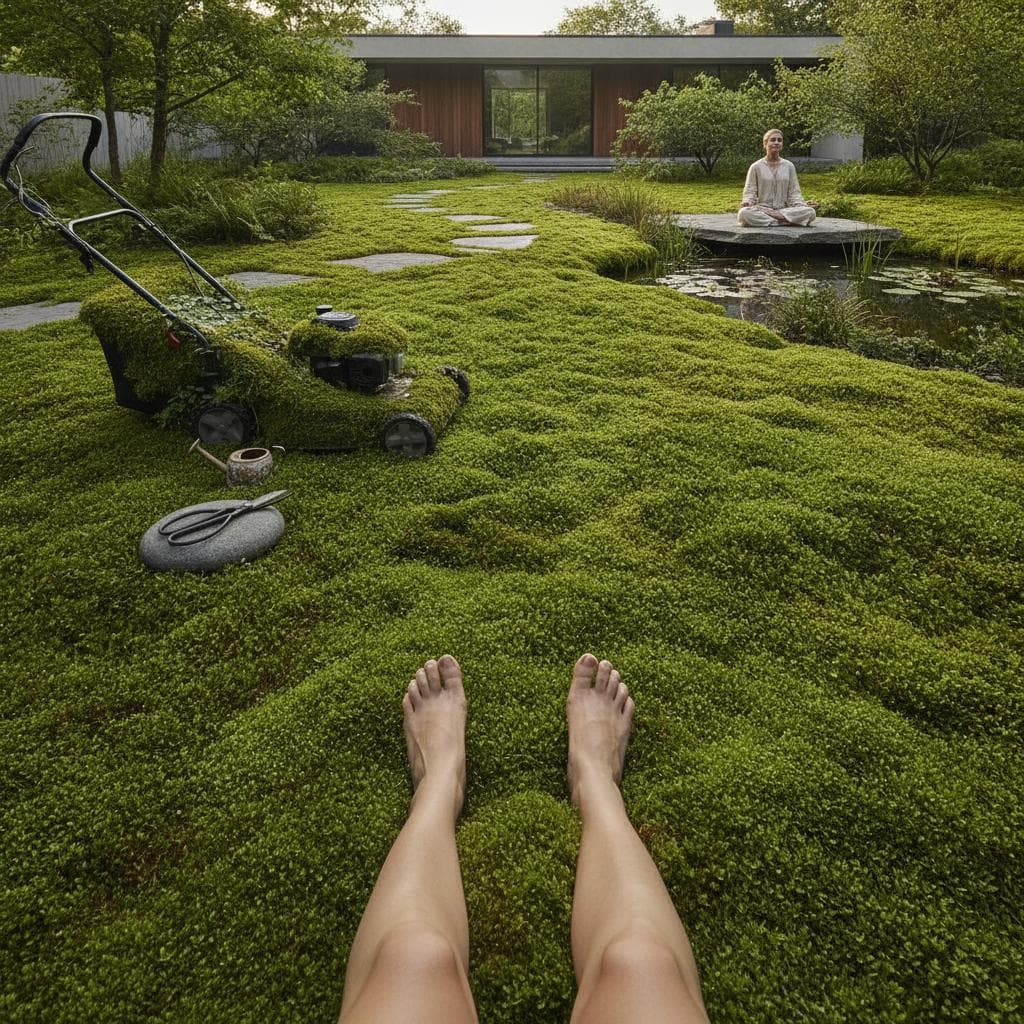
A lush green carpet that never requires mowing stays vibrant through drought and welcomes bare feet with a cool, velvety touch. That is the quiet beauty of a moss lawn. Homeowners ready to trade weekend mowing sessions for more time enjoying their gardens find that moss offers a living alternative that thrives with minimal intervention.
It softens hardscapes, supports biodiversity, and suits the eco-conscious mindset that defines thoughtful California landscapes.
The Hidden Demands of Traditional Lawns
Traditional turf lawns can be charming, but they demand constant attention. Between mowing, watering, fertilizing, aerating, and weeding, a standard lawn ranks among the most maintenance-heavy features a homeowner can install. In drier climates, irrigation becomes expensive and environmentally challenging.
Even drought-tolerant turf varieties require regular trimming and feeding to stay dense and green. Over time, this cycle drains both resources and enthusiasm.
Moss changes that equation completely. Once established, it eliminates nearly every recurring task that turf requires. No mowing. No fertilizers. No pesticides. No irrigation systems. The savings in time, water, and effort can reach up to ninety percent less maintenance compared to a conventional lawn.
Why Moss Works Where Turf Struggles
Mosses are ancient plants that absorb water and nutrients directly through their leaves. They lack traditional roots, which means they grow on surfaces where turf would never survive. Shaded corners, compacted soil, and north-facing slopes are all suitable locations.
In areas with poor soil or challenging microclimates, moss often thrives naturally. Once the right species matches the site, moss forms a dense mat that resists erosion and suppresses weeds. Its ability to retain moisture also cools the surrounding area.
The Key Advantages of a Moss Lawn
-
Water Efficiency: Moss requires only ambient moisture to stay healthy. Morning dew, fog, or light rainfall often suffices. This makes it ideal for regions where water conservation is a priority. Even in dry summers, moss can go dormant and revive once moisture returns.
-
No Mowing, Ever: A moss lawn grows to only a few centimeters high and creates a naturally low, even surface. Homeowners can retire their lawnmowers entirely and save fuel, noise, and storage space.
-
Chemical-Free Maintenance: Moss does not need fertilizer to stay green. Chemical treatments can harm it. Removing fertilizers and herbicides protects local waterways and reduces the garden ecological footprint.
-
Year-Round Color: Unlike turf that browns during drought or frost, moss maintains a consistent green hue. It may lighten in very dry conditions but recovers quickly after the next rain or mist.
-
Longevity and Resilience: Once established, moss can live indefinitely with minimal care. It handles foot traffic better than most groundcovers, especially when planted in shaded paths or between stepping stones.
Establishing a Moss Lawn Step by Step
Transitioning from turf to moss requires planning. The process is simple but benefits from patience and attention to detail.
Step 1: Prepare the Site. Remove existing turf, weeds, and debris. Moss prefers compacted or slightly acidic soil, so avoid adding compost or fertilizers. If the area is alkaline, apply sulfur lightly to adjust the pH.
Step 2: Choose the Right Moss. Different moss species prefer different conditions. Sheet moss creates a smooth, uniform carpet. Cushion moss offers a sculpted, textured appearance. For shaded gardens, haircap moss performs well. Local nurseries or specialty suppliers can recommend varieties suited to the microclimate.
Step 3: Encourage Contact. Lay or press moss fragments firmly against the soil. Consistent contact encourages new rhizoids to anchor. Mist gently until the moss attaches, usually within a few weeks.
Step 4: Keep Moist During Establishment. Daily misting during the first month helps moss settle in. Once established, reduce or eliminate watering.
Step 5: Limit Foot Traffic Initially. While moss is resilient, it needs time to root into place. Avoid heavy use for the first few weeks. After that, light walking works well.
Common Challenges and Smart Solutions
Weeds appear during early growth even though moss naturally suppresses them. Hand removal is usually enough. Avoid herbicides, which can harm moss tissue.
Direct sunlight can stress moss. Partial shade or dappled light is ideal. Where sunlight is unavoidable, select sun-tolerant mosses like Bryum or Entodon species.
Moss prefers moisture but not standing water. If puddles form, improve grading or create subtle channels to direct runoff.
A gentle rinse from a hose or a soft broom keeps moss clean and bright. Clear fallen leaves before they decompose.
Living with Your Moss Lawn
A mature moss lawn offers more than visual beauty. It shapes the rhythm of outdoor living. Morning walks become quieter, barefoot steps softer, and the air around the garden cooler. Moss absorbs sound, cushions movement, and maintains a steady, calming green that feels timeless and peaceful.
Those who have replaced turf with moss often describe a sense of relief as their garden begins to care for itself. The absence of buzzing equipment and fertilizer schedules restores calm that fits the slower, more sustainable pace many homeowners seek.
Watching Your Garden Thrive
Once a moss lawn takes hold, it becomes a self-sustaining feature that rewards patience with enduring beauty. Its low demands offer freedom to focus on other parts of the landscape, such as native perennials, fruit trees, or outdoor seating areas.
Replacing turf with moss creates a garden that exists in harmony with its environment while conserving water and supporting the quiet rhythms of nature.