
Moss Lawns Require 70 Percent Less Mowing Than Traditional Turf
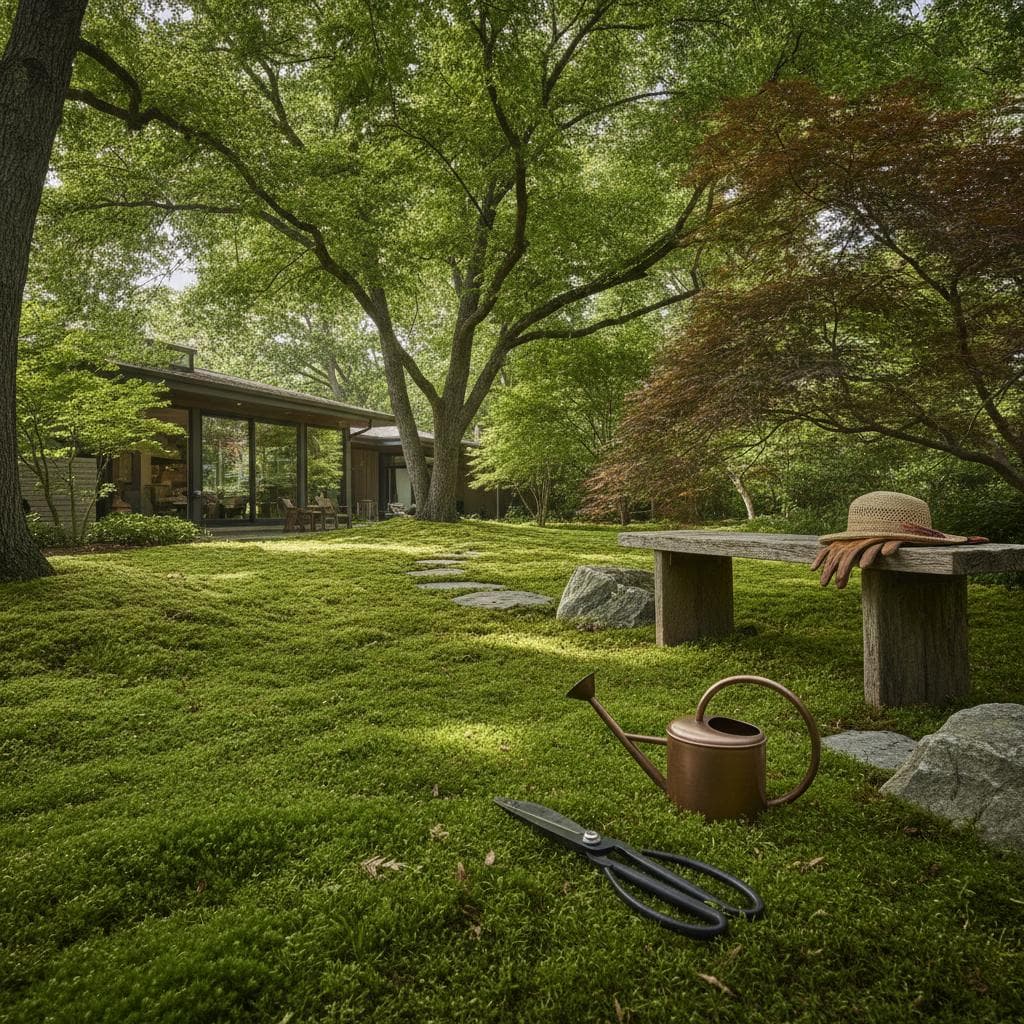
If you have ever stood behind a roaring lawn mower on a hot afternoon and wondered whether a better option exists, moss offers a compelling alternative. Moss lawns require about 70 percent less mowing than traditional turf. This change immediately reduces noise, fuel consumption, and weekend commitments. The appeal extends further because moss creates a soft evergreen surface that thrives where grass struggles.
Conditions Where Moss Succeeds
Traditional turfgrass requires regular watering, fertilizing, and mowing to stay presentable. Many lawns in dry regions also rely on irrigation systems that consume thousands of gallons each season. Moss draws moisture directly from the air, tolerates shade, and needs almost no fertilizer. It succeeds in shady areas beneath trees, on north facing slopes, and in compacted soils.
Homeowners gain reliable green coverage without constant intervention. Working with existing site conditions rather than fighting them saves both time and resources.
Growth Habits Behind the Mowing Reduction
Moss grows horizontally rather than vertically and forms dense mats only a few inches tall. Traditional turf species push upward quickly and require weekly trimming during warm months. Moss grows slowly and evenly, so trimming occurs rarely. Some homeowners never mow their moss lawns, while others trim lightly once or twice a year to manage debris.
Traditional turf can demand twenty or more mowing sessions in the same period. Fewer sessions reduce fuel use and emissions, which supports a quieter neighborhood environment.
Water Conservation and Ecological Advantages
Moss absorbs moisture from humidity and rainfall, so it remains lush without supplemental irrigation in many settings. Coastal or shaded gardens often sustain moss on natural precipitation alone. Minimal misting during extended dry spells maintains color on drier sites. Because moss lacks deep roots, it does not compete with trees and shrubs for water or nutrients.
Moss also stabilizes soil on slopes and reduces erosion. It resists pests and disease naturally. Its dense growth leaves little room for weeds, which eliminates the need for fertilizers or herbicides. This approach protects pollinators, groundwater, and household members.
Steps to Establish a Moss Lawn
- Remove existing vegetation by clearing grass, weeds, and debris. Several rounds of clearing or solarizing the soil may be necessary.
- Adjust the surface by lightly tamping the soil and amending with fine sand or composted leaf mold if needed.
- Select moss types that match site conditions. Sheet mosses create smooth carpets, cushion mosses form mounds, and species such as Thuidium delicatulum suit shaded locations.
- Press small patches into place about an inch apart and mist thoroughly. Keep the area moist for the first few weeks.
- Limit foot traffic until the moss knits together.
Patches merge into a continuous surface within several months.
Ongoing Care Practices
- Trim lightly once or twice a year only if debris accumulates.
- Mist during dry spells, preferably in the morning.
- Remove fallen leaves and twigs with a low powered blower or soft broom.
- Pull emerging weeds by hand while they remain small.
- Protect the surface with stepping stones in high traffic zones.
These tasks occupy only a fraction of the time once spent on mowing and fertilizing.
Visual and Sensory Qualities
Moss provides a rich texture and steady green color that remains visible year round. It evokes calmness and pairs well with ferns, hostas, and shade loving companions. The surface feels cool and appears especially vibrant after rain. In mixed plantings it softens edges around patios and water features while creating a restful microclimate.
Long Term Economic and Environmental Returns
Initial installation costs are offset by reduced labor, water, and chemical expenses over decades. Moss rarely requires replacement or reseeding. The absence of frequent renovation cycles and fossil fuel use lowers the overall carbon footprint and supports sustainable certification goals.
Addressing Frequent Misconceptions
Moss tolerates partial sun and moderate dryness once established. It resists insects and fungi without creating odors or rot. The shallow mat coexists with surrounding plants rather than competing aggressively. Proper preparation yields a uniform surface rather than a patchy appearance.
Placement Options Within the Landscape
Moss functions as a full lawn replacement or as an accent between stones, under trees, and around courtyards. Pairing it with native groundcovers adds visual variety while preserving low maintenance. Small installations introduce texture and serenity even in compact spaces.
Choosing moss aligns practical goals with lasting landscape value. Reduced mowing frees time for other garden activities while delivering consistent ecological benefits.