
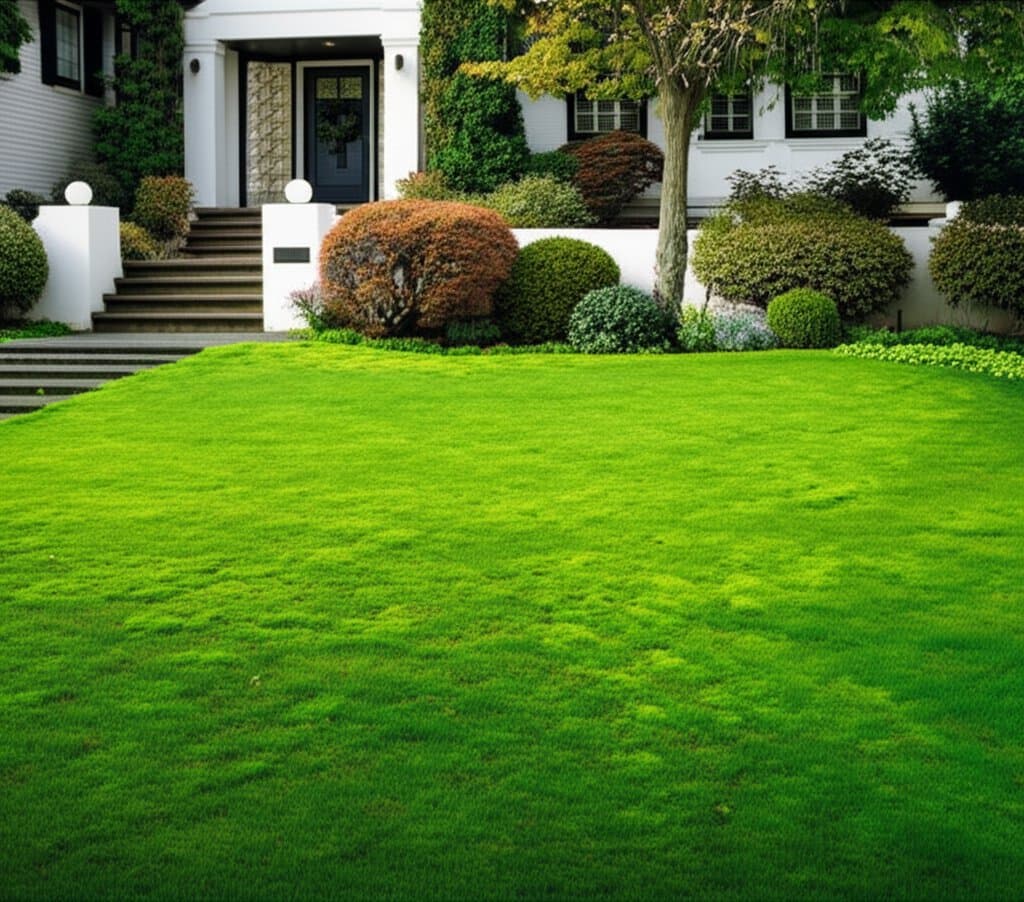
Why Moss Lawns Eliminate Mowing Needs in 2025
Homeowners seek a lush green carpet that demands no mowing, resists summer drought, and maintains vibrancy through seasons. This vision materializes for many, especially in regions like California with water restrictions. Moss lawns provide a velvety texture, inherent durability, and notable environmental gains, rendering routine mowing obsolete.
The Rise of Low-Maintenance Ground Cover
Traditional lawns embody suburban ideals, but they impose steep demands on water, labor, and the environment. Gas mowers release pollutants into the air, irrigation strains limited resources, and fertilizers pollute nearby waterways. In arid areas such as California, these practices clash with growing sustainability goals.
Moss lawns offer a fresh approach to ground cover. They require no mowing, fertilization, or extensive watering once established. Moss thrives in shaded or compacted soils where grass struggles, blending functionality with tranquil beauty. Landscape experts favor moss for its fit in effortless, climate-resilient designs that preserve sophistication.
Key Characteristics of Moss
Moss stands apart from grass as a primitive plant that takes in water and nutrients directly through its leaves, without relying on roots. This adaptation allows moss to grow on varied surfaces, from soil to rocks and even pavers. Moss needs no fertilizers or pesticides and naturally repels many pests.
Grass requires regular cutting to stay tidy, but moss holds a steady height without thatch accumulation or seed heads, always looking manicured. Once established, moss forms a thick mat that blocks weeds and retains soil moisture, reducing the need for irrigation. Its minimal environmental footprint arises from effective photosynthesis that draws few nutrients from the soil, making it ideal for acidic or nutrient-deficient sites that challenge grass.
Selecting the Right Moss Species
Moss species differ in their needs for light, moisture, and soil conditions. Evaluate your site's shade, drainage, and exposure to choose varieties that ensure thriving growth.
Recommended Moss Types for Ground Cover
-
Sheet Moss (Hypnum and Hylocomium species)
Creates a flat, carpet-like expanse suited to shaded areas and gentle slopes. -
Cushion Moss (Leucobryum species)
Forms soft, rounded cushions that handle partial sun better than most mosses. -
Fern Moss (Thuidium species)
Features delicate, fern-like fronds, perfect for decorative woodland gardens. -
Rock Cap Moss (Dicranum species)
Grows in upright clumps, ideal for rocky terrains or along pathways to add texture.
Seek advice from a nursery specializing in moss or a local landscaper to align species with your site's sunlight, soil pH, and moisture levels.
Preparing Your Site for Moss Installation
Proper preparation accelerates moss establishment and long-term success. Though hardy, moss performs best on a well-prepared foundation.
Step-by-Step Installation Guide
-
Clear the Area
Remove existing grass, weeds, and debris to expose a clean surface for moss attachment. Avoid chemical herbicides, as residues can linger and harm new growth. -
Test and Adjust Soil pH
Target a pH range of 5.0 to 6.0 for optimal acidity. Use a home soil test kit, then incorporate elemental sulfur or peat moss if levels need lowering. -
Level and Compact the Surface
Smooth the ground to promote even moisture distribution. Lightly tamp the soil to form a firm base, eliminating loose gravel or clumps. -
Apply the Moss
Position pre-grown moss sheets or spread a slurry made from chopped moss fragments blended with buttermilk or yogurt. Press the material firmly against the soil for good contact. -
Provide Initial Moisture
Mist the area daily until moss begins to spread, typically within two weeks. Gradually taper watering as the moss anchors itself.
Over time, patches merge into a unified, drought-tolerant layer that requires minimal intervention.
Everyday Care for Moss Lawns
Moss lawns redirect effort from chores to relaxation, surrounded by steady greenery that endures weather shifts.
Practical Maintenance Tips
- Watering: Mature moss needs only occasional light misting during extended dry spells; heavy watering can promote unwanted fungi.
- Debris Clearance: Remove fallen leaves by hand or with a soft-bristled broom to avoid smothering the surface.
- Foot Traffic Control: Restrict heavy use to preserve the mat; add stepping stones in frequented paths to distribute pressure.
- Sunlight Management: Transplant patches from sunny edges to shadier zones, or plant companion shade trees if exposure intensifies.
Architects weave moss into patios, courtyards, and modern residences, where it softens rigid surfaces with organic texture.
Primary Benefits for Ecology and Daily Life
1. Exceptional Water Savings
Moss uses significantly less water than grass, a vital advantage in parched regions. Its structure draws moisture from air humidity and morning dew, maintaining vitality with efficiency.
2. Zero-Emission Upkeep
Forgoing mowing, trimming, and chemicals cuts carbon emissions and prevents chemical runoff, aligning with broader environmental efforts.
3. Improved Soil Protection
Moss binds loosely to the surface without deep disturbance, preventing erosion on hillsides and stabilizing weak soils better than grass in tough spots.
4. Lower Allergy Risks
Moss produces no pollen, leading to purer air that eases allergies and suits homes with sensitive residents or pets.
5. Consistent Aesthetic Quality
Moss holds even color and form year-round, developing deeper tones with age and avoiding the uneven patches common in grass.
Overcoming Common Misconceptions
Many gardeners dismiss moss based on old habits tied to grass maintenance. Reality shows moss outperforms in demanding environments.
Myth 1: Moss Requires Constant Moisture and Full Shade.
Select varieties handle filtered light and brief dry periods, drawing from natural humidity instead of constant saturation.
Myth 2: Moss Is Fragile and High-Maintenance.
Established moss recovers from frost, short droughts, and light traffic, proving more resilient than expected.
Myth 3: Moss Looks Messy or Unkempt.
A healthy moss lawn delivers a smooth, refined appearance that rivals the neatest turf.
Myth 4: Moss Installation Costs More Long-Term.
Initial outlay surpasses grass seeding, yet savings on water bills and labor pay back within two to three years.
These insights reveal moss as a sturdy upgrade, free from traditional drawbacks.
Integrating Moss into Broader Landscapes
Moss pairs effortlessly with elements like gravel paths, native shrubs, and flowering perennials to create balanced outdoor spaces.
- Zen Garden Styles: Combine with boulders, ornamental grasses, and water features for peaceful harmony.
- Modern Outdoor Rooms: Offset sleek stone and steel with moss's flowing softness.
- Woodland Extensions: Connect to understory ferns or wildflowers, blurring lines between cultivated and natural areas.
In California's variable weather, moss works well with drought-hardy plants like ferns, manzanita bushes, or succulents to form resilient, hands-off ecosystems.
Essential Considerations for Switching to Moss
Transitioning from grass involves assessing your property's suitability.
- Light Levels: Opt for partial shade; use sun-tolerant moss or add shade cloth in brighter zones.
- Drainage Patterns: Select sites with mild slopes to avoid water accumulation, which can lead to decay.
- Budget Planning: Factor in upfront costs for materials and labor, balanced by ongoing savings in maintenance.
- Establishment Timeline: Allow several months for full coverage; focus on quality over rapid results.
Hire an experienced landscaper for sourcing materials, site prep, and installation to secure expert results.
Achieving Enduring Tranquility with Moss
Switching to moss redefines time outdoors, encouraging presence and connection to the natural world. Property owners describe lighter schedules, with space for quiet reflection amid verdant calm.
As eco-conscious choices proliferate, moss emerges for its blend of utility and refinement. It offers durability, simplicity, and planetary benefits wrapped in captivating form. The soft feel underfoot underscores moss's power to cultivate lasting peace in home landscapes.