
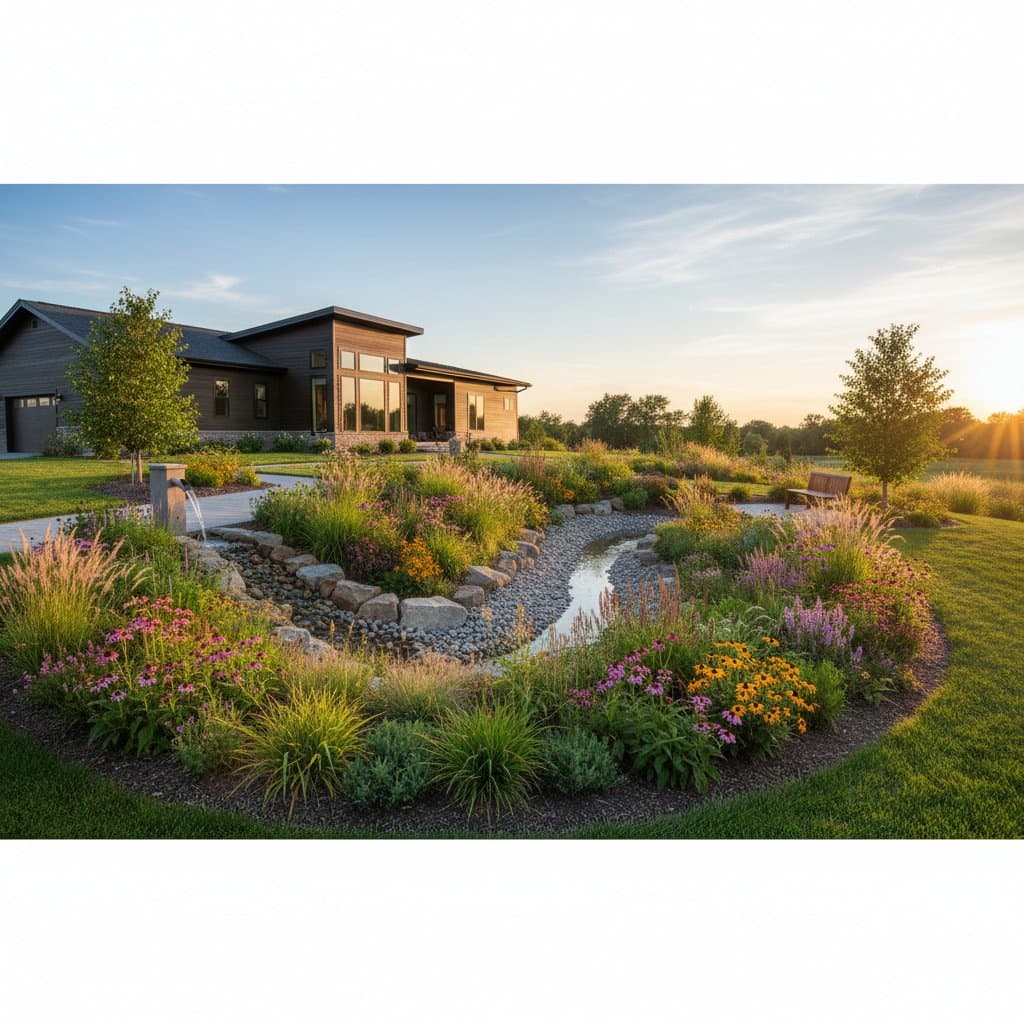
Bioswale Gardens: Ending Stormwater Runoff by 2026
Heavy rain requires a destination for the water it delivers. In typical neighborhoods, this water surges over driveways, sidewalks, and roofs, carrying pollutants toward storm drains and local waterways. Erosion, flooding, and contaminated runoff follow, harming ecosystems and infrastructure. A bioswale garden provides a practical, elegant remedy. Through deliberate design, targeted plant choices, and natural filtration, this feature converts a challenge into an environmental safeguard and property enhancement.
Understanding the Bioswale Concept
A bioswale consists of a gently sloped channel lined with native vegetation to capture, purify, and decelerate stormwater. Unlike a basic ditch, which simply redirects water, a bioswale absorbs and cleanses it. The primary objectives include minimizing runoff, replenishing groundwater, and eliminating pollutants via soil and plant mechanisms.
In regions like California with dry summers, bioswales prove especially valuable. They handle sudden heavy rains amid extended dry periods by routing water through soil and mulch layers that capture debris and nutrients. This approach diminishes erosion over time and fosters robust soil ecosystems.
Designing a Bioswale for Function and Beauty
Constructing a bioswale demands more than excavation; it calls for precise planning aligned with the site's topography, soil type, and gradient. The steps below guide the process to balance utility and visual appeal.
-
Assess Your Drainage Pattern
Observe water movement on your property during rainfall or after watering. Note low-lying areas, flow routes, and impervious surfaces that accelerate shedding. Position the bioswale to capture this flow prior to its exit from the site. -
Determine the Slope and Depth
Select a slope that slows water without stagnation; aim for a gentle incline. Residential bioswales typically measure one to two feet in depth, with maintainable side slopes. Employ a level or string line to gauge elevation shifts and achieve even grading. -
Layer the Soil Correctly
Treat the bioswale as a biological filter. Begin with a base of coarse gravel to facilitate drainage. Follow with sandy loam blended with compost for purification and nutrient support. Top with mulch to retain moisture and suppress weeds. -
Select Native and Climate-Adapted Plants
Opt for species resilient to alternating wet and dry phases. In California, consider California fescue for its dense root system, yarrow for pollinator attraction, deer grass for texture, and rushes for wetland simulation. Blend grasses, perennials, and low shrubs to promote ecological diversity and year-round interest. -
Include a Rock or Gravel Inlet
At the entry point, install river rock or gravel to curb initial erosion. This element enhances aesthetics, integrating smoothly into naturalistic or contemporary garden styles. -
Direct Overflow Safely
In intense storms, excess water may exceed capacity. Incorporate an overflow route with stone or gravel lining to guide surplus toward safe outlets, such as a rain garden or dry streambed, away from buildings.
Maintenance for Long-Term Success
After installation, a bioswale demands less attention than a conventional lawn, yet consistent upkeep ensures optimal performance.
- Weed Control: Extract invasive species promptly to prevent competition with established plants.
- Mulching: Refresh the mulch layer each year to sustain filtration and hydration.
- Sediment Removal: Rake out silt buildup from entry points and depressions to uphold flow efficiency.
- Plant Health: Trim back perennials seasonally and replace underperformers to maintain vigor.
Proper care transforms the bioswale into a thriving habitat for pollinators and avian species. As it evolves, the feature emerges as a compelling landscape element, reflecting ecological stewardship and refined design.
Integrating Bioswales into Broader Landscape Design
Bioswales adapt effortlessly to diverse outdoor environments. In homes, they delineate driveways, divide turf zones, or trace natural site contours. In commercial or civic areas, they edge parking lots, trails, or central dividers, elevating functional spaces to sustainable infrastructure.
Combine bioswales with permeable pavements or rain gardens to maximize water retention. This synergy permits infiltration rather than drain overload. Through unified grading, vegetation choices, and minimal irrigation, the landscape operates as an interconnected water-management network.
The Environmental and Financial Payoff
Bioswales deliver benefits that extend past runoff control. They sequester contaminants like oils, fertilizers, and metals, preventing entry into aquatic systems. Such purification aids healthier rivers, shorelines, and surrounding habitats, supporting biodiversity and human well-being.
Economically, these installations yield savings. They lessen demands on municipal drainage repairs, cut irrigation expenses via on-site capture, and access rebates from local programs. For property owners, bioswales boost market appeal and value through their sustainable, visually compelling attributes.
Implementing Your Bioswale Plan
To achieve zero stormwater runoff by 2026, initiate planning immediately. Engage a landscape architect or civil engineer experienced in bioswale projects. Analyze current drainage, calculate material needs, and establish an installation schedule.
During buildup, oversee contractors for accurate grading and soil mixes. Post-completion, evaluate efficacy after rains; if pooling persists beyond 24 hours, refine soil or outlets. The outcome endures: a bioswale enriches the site with dynamic textures, fluid motion, and vitality. It reframes drainage as regenerative design, fortifying the property and ecosystem resilience. Treat water as an ally, and cultivate a garden that endures floods and arid spells with equal poise. Advance one bioswale at a time toward that 2026 milestone.