
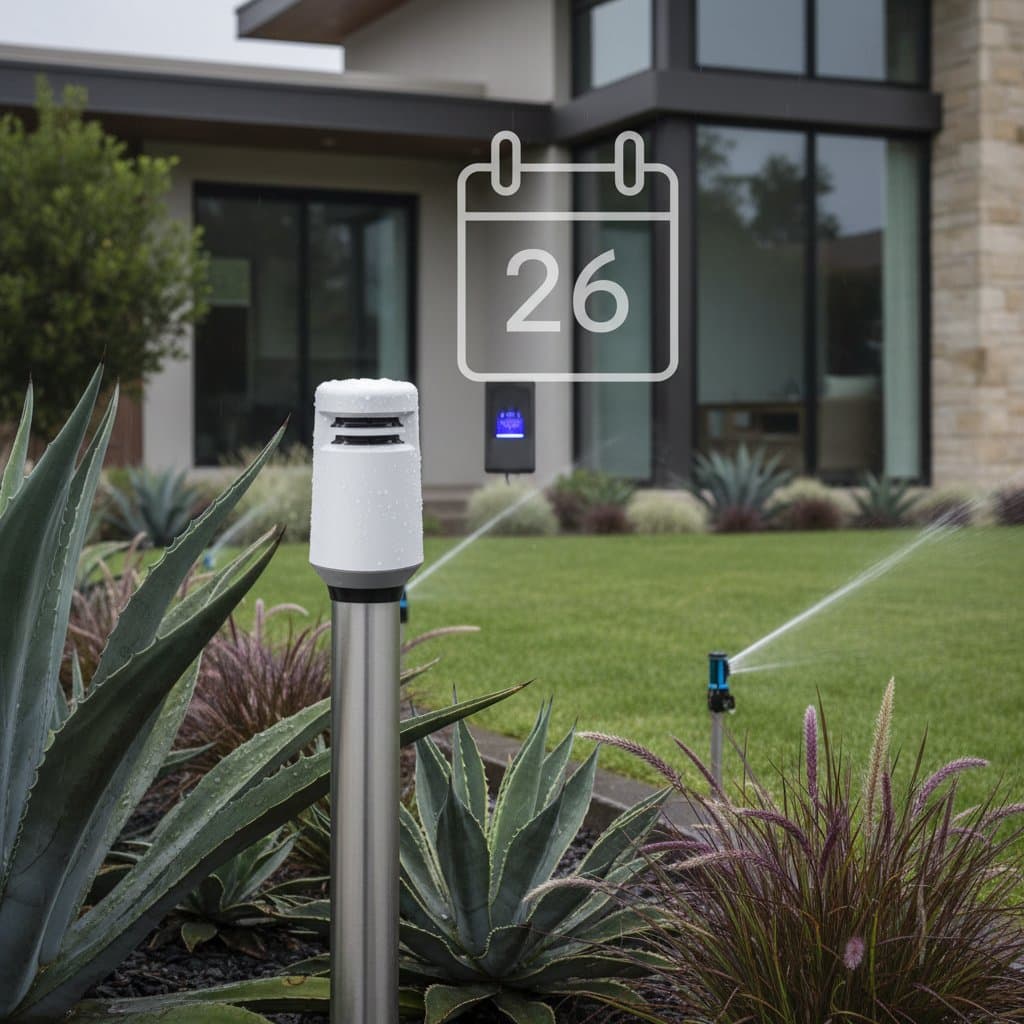
Rain Sensors: Essential for 2026 Irrigation Compliance
Miguel and Lila Alvarez transformed their backyard into a water-efficient garden. Their city introduced strict irrigation rules that require rain sensors for both residential and commercial systems by 2026. The couple focused on preserving their landscape investment while meeting these standards without hassle.
The Role of Rain Sensors in Water Conservation
Local regulations across many areas prioritize cutting water waste through smarter irrigation. Rain sensors achieve this by detecting rainfall and pausing watering cycles automatically. These tools prevent overwatering, which can damage roots and lead to nutrient loss in soil.
Elena Ruiz, the landscape designer on the Alvarez project, explained that these rules push homeowners to rethink water habits. She pointed out that rain sensors become mandatory for new setups and major upgrades starting in 2026. These devices install easily, operate without fail, and deliver measurable savings on water bills.
For the Alvarezes, following these rules meant more than dodging penalties. They wanted a system that optimized every drop, and the rain sensor proved central to that goal.
Implementing Rain Sensors in the Alvarez Garden
Front Yard: Lawn and Native Plants
The front yard covers 600 square feet with a lawn edged by drought-resistant plants like lavender, yarrow, and salvia. High-efficiency rotary nozzles link to a smart controller, while the rain sensor connects wirelessly to tweak watering based on actual weather.
Elena noted that this configuration cuts annual water use by about 20 percent, a significant gain even for modest yards. It limits runoff on sloped areas and keeps soil moisture balanced. The controller activates zones before dawn, but the sensor interrupts if rain starts, resuming only after the ground dries enough to support healthy root development.
Side Yard: Fruit Trees and Vegetable Beds
Along the fence, raised beds support citrus trees and figs. Drip emitters deliver water directly to roots, reducing evaporation losses. The rain sensor halts this zone during precipitation, yet allows manual adjustments for dry spells when plants need extra care.
Miguel shared that he used to guess watering needs based on the calendar. Now the system decides intelligently, ensuring reliable results and saving him effort. He monitors everything through a mobile app connected to the controller, which records rainfall amounts and sensor triggers for easy review.
Backyard: Play Space and Patio Area
The backyard blends a lawn, play area, and seating spots, enhanced by shade trees and ornamental grasses. Subsurface drip lines keep water underground to avoid wet surfaces. The rain sensor deactivates these lines in wet weather, preventing muddy conditions around the play zone.
Elena selected the RainBird WR2 Wireless Rain Sensor for its customizable settings and broad coverage. It adapts to different spots on the property with unique weather exposures. The default activation requires one-eighth inch of rain, but the Alvarezes adjusted it to one-quarter inch to match their area's typical showers.
Criteria for Choosing a Rain Sensor
Pick a rain sensor based on your yard's scale, existing irrigation layout, and controller type. Key factors include:
- Compatibility: Verify it pairs with your controller's make or supports broad connections.
- Mounting Site: Install in an open area with full sky exposure. Avoid spots under eaves, branches, or structures that block rain.
- Adjustability: Choose units with settings for rainfall amounts and dry-out periods before resuming.
- Wireless or Wired: Wireless models simplify placement but require battery checks. Wired ones provide steady performance in harsh conditions.
- Maintenance Needs: Look for rugged builds that handle dirt and insects without frequent cleaning.
Elena recommends options from Hunter, RainBird, and Toro, as they meet efficiency benchmarks and gain approval from water districts. She emphasized that while the basic mechanism stays simple, details like weather resistance and integration matter for long-term use.
Upkeep and Issue Resolution
Rain sensors require minimal care, yet routine inspections keep them effective. Perform these tasks regularly:
- Check for dirt, leaves, or spider webs that could obstruct the sensor.
- Test by pouring a small amount of water over it to confirm shutdown.
- Verify the reset delay by letting it dry and observing reactivation.
- Swap batteries annually in wireless models to prevent failures.
Common problems arise from bad positioning, leading to false readings, or signal drops after long dry periods. Relocating the unit or a quick clean often fixes these.
Elena keeps client systems running smoothly with seasonal reviews. Each check lasts around ten minutes and heads off bigger issues before they start.
Expenses and Value Realization
Rain sensors offer strong value at a low upfront cost compared to full irrigation overhauls. Expect to pay $20 to $60 per unit, with installation adding little more. The water savings pay back the investment in months, not years.
In the Alvarez home, overall water use dropped 15 percent after adding the sensor, resulting in smaller utility bills and stronger plants. The device covered its price tag within the first growing season.
Luis, a technician on the job, added that the real gains come from skipping unneeded cycles. Every avoided watering session saves water, cuts energy for pumps, and extends equipment life.
Evolving Standards in Water Management
Municipalities enforce water efficiency through building codes and irrigation mandates. These apply to new constructions, system retrofits, and even repairs, with proof of rain sensor function often required for permits.
Landscape professionals now build sensors into every project plan. This approach speeds up regulatory approvals and future-proofs installations against tightening rules.
Elena welcomes the shift. It embeds smart practices into landscape design, balancing aesthetics, utility, and environmental care.
Sustaining the Alvarez Landscape
Months after installation, the Alvarez garden thrives with consistent vitality. The lawn stays green without sogginess, and fruit trees yield abundantly. The irrigation runs on autopilot, responding to real conditions and demanding little attention.
Both homeowners and specialists agree that smart tools like rain sensors bridge regulations and real-world needs. They protect resources, boost plant health, and help create landscapes that endure with efficiency at their core.