
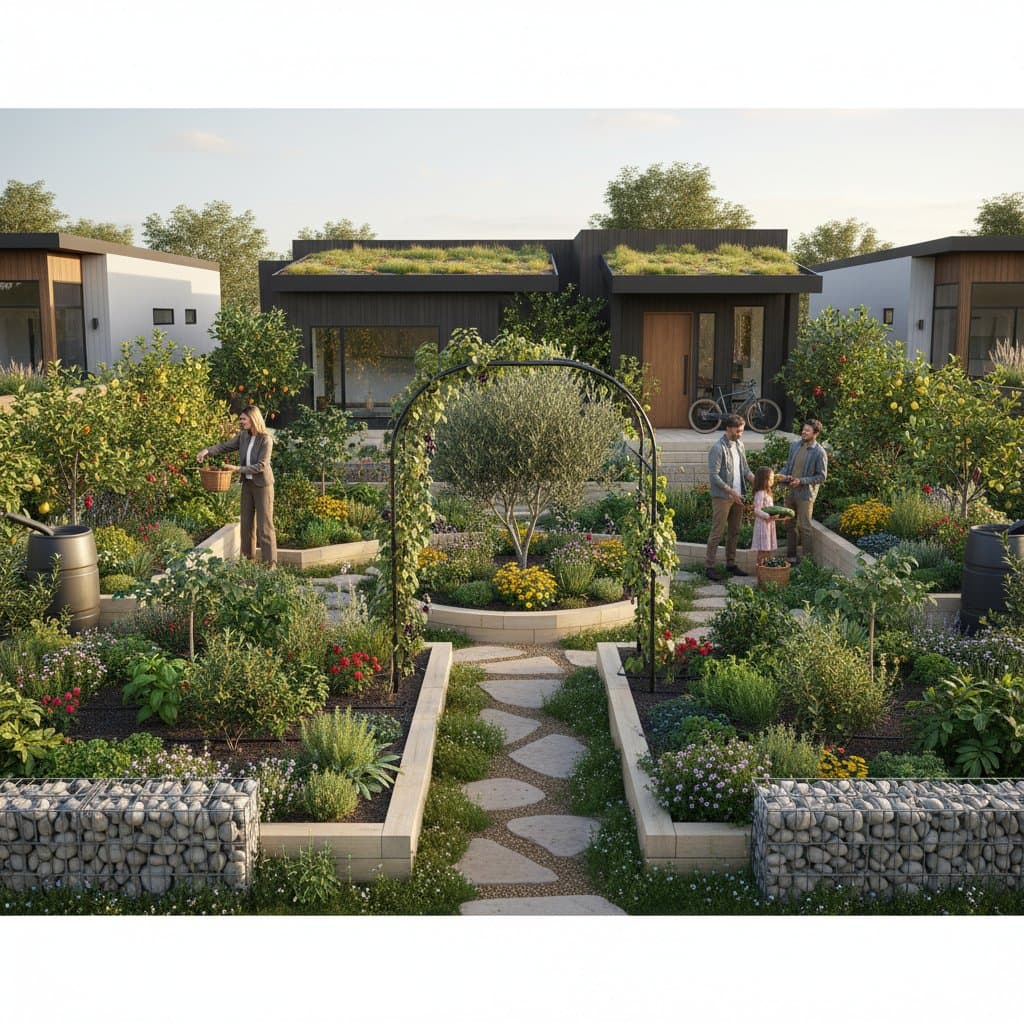
Front Yards That Nourish Families Instead of Filling Landfills
Front Yard Farms: The Edible Landscape Surge in 2026
In California neighborhoods, front yards previously dominated by water-intensive lawns now flourish with kale, citrus trees, and rosemary bushes. This edible landscape movement reshapes perceptions of curb appeal. Homeowners replace high-maintenance ornamentals with productive plantings that provide family meals and support pollinators. The outcome blends sophisticated design with sustainability and utility.
The trend toward edible front yards continues to gain momentum. Residents seek outdoor areas that produce food, promote ecology, and maintain visual allure. Local regulations grow more accommodating, community support increases, and design techniques refine. What began as an unconventional choice now appears practical, intelligent, and appealing.
Reasons Edible Landscapes Gain Popularity
Multiple elements drive this transformation. Water conservation holds central importance in California. Conventional lawns demand thousands of gallons annually; for instance, a 1,000-square-foot lawn may require 20,000 gallons per summer. Edible gardens, planned for local conditions, demand far less through methods like drip irrigation, mulching, and drought-resistant natives.
Concerns over food quality and origin also propel the shift. Homegrown strawberries or tomatoes offer assurance unavailable from commercial sources. Individuals gain control over cultivation practices, ensuring freshness and purity right at the doorstep.
Design principles for edible spaces have evolved significantly. Initial versions prioritized function over form. Contemporary approaches integrate edibles with established landscaping techniques, employing repetition for unity, contrast for interest, and texture for depth. Dwarf citrus trees serve as natural hedges, artichokes provide bold focal points, and varieties like purple basil alongside red chard deliver vibrant hues. Thus, aesthetics and productivity harmonize seamlessly.
Steps to Design an Integrated Front Yard Farm
Integration forms the foundation of a thriving edible front yard. The layout must appear deliberate, aligning with the home's architecture, surrounding properties, and regional climate.
- Establish a defined vision. Select a style such as modern minimalism, cottage charm, or Mediterranean vibrancy. This choice directs selections for plants, hardscape elements, and pathways.
- Evaluate site conditions thoroughly. Note sunlight duration, prevailing winds, and soil drainage. Most edibles require a minimum of six hours of direct sun and soil that drains within hours after rain.
- Incorporate enduring structural elements. Install raised beds from untreated cedar, bordered with natural stone, or low walls to organize areas. Add decomposed granite paths or corten steel edging for a polished finish.
- Organize planting in layers. Position fruit trees in the upper canopy, shrubs and vines in the middle tier, and herbs or greens at ground level. This stratification emulates wild ecosystems and boosts biodiversity.
- Combine edibles with ornamental features. Position lavender, rosemary, or sage along walkways for scent and insect attraction. Integrate them with productive options like blueberry bushes or fig trees to achieve equilibrium.
Strategies for Water Efficiency and Soil Vitality
California's arid seasons necessitate precise water and soil management. Effective edible landscapes rely on targeted irrigation and robust earth.
- Implement drip irrigation systems. These deliver water to roots with minimal loss; connect to an automated timer set for early morning cycles to match plant needs.
- Apply mulch generously. Spread two to three inches of organic material, such as bark chips or straw, to retain moisture, moderate temperatures, and deter weeds.
- Select resilient edible varieties. Opt for olives, pomegranates, figs, thyme, and oregano, which endure low water once established.
- Enhance soil organically. Introduce compost annually, practice crop rotation to prevent nutrient depletion, and forgo chemical amendments that harm microbial life.
Such practices build durability, enabling gardens to withstand droughts and variable weather.
Balancing Aesthetics with Productivity
Edible front yards achieve elegance alongside function. The goal involves preventing disorder while maximizing output. Random vegetable patches may sustain a household but appear unkempt from afar. Strategic design elevates them to captivating features.
- Employ symmetry and patterns. Arrange matching raised beds or grouped plantings to instill order and flow.
- Coordinate colors thoughtfully. Combine the deep greens of kale with the silver tones of artichokes and the bright accents of nasturtiums for dynamic appeal.
- Define boundaries clearly. Use flagstone edging, powder-coated metal, or gravel borders to contain plantings.
- Incorporate height variations. Install arbors for climbing beans or train espalier apples against walls to introduce dimension.
A thoughtfully crafted space captivates visually and culinarily. It sparks neighborly interest without seeming defiant.
Broader Impacts on Community and Daily Life
Edible front yards extend value beyond individual yields. Neighbors observe the change from grass to greens and initiate dialogues. Exchanges of recipes or excess harvest build bonds; some blocks collaborate on shared plots. A simple basket for donations encourages generosity.
Daily advantages surpass nutrition. Gardening reduces stress through mindful activity. Outdoor engagement aligns individuals with seasonal cycles. Youngsters develop discipline via planting and harvesting routines. The yard evolves into an educational haven and peaceful retreat.
Planning Finances and Upkeep
Edible landscapes demand strategic budgeting and care. Upfront costs exceed simple sod installation due to infrastructure and preparation. Yet, savings accrue over time through lower water bills and self-sufficiency.
To control costs effectively:
- Implement in stages. Begin with a 200-square-foot bed and scale up yearly.
- Repurpose on-site resources. Salvage pavers or pots from storage to minimize purchases.
- Invest in irrigation first. A basic kit costs under $200 and prevents future waste.
- Schedule routine maintenance. Dedicate weekly time for weeding, monthly for fertilizing, and seasonally for pruning.
Consult specialists in permaculture design to avoid pitfalls and optimize results.
Ecological Advantages Extending Past Produce
These gardens promote more than meals; they advance environmental health. By supplanting turf with edibles, owners enhance urban ecology. Pollinators like bees and hoverflies find nectar and shelter amid diverse blooms.
On-site composting recycles scraps into fertilizer. Collect rainwater in barrels to supplement irrigation and curb erosion. Prioritize California natives such as manzanita berries or wild strawberries for minimal inputs. These elements create a self-sustaining cycle benefiting ecosystems and inhabitants.
Overcoming Obstacles with Practical Fixes
Challenges arise in any edible yard, yet solutions exist.
- Manage pests naturally. Attract predators such as praying mantises with companion plants like dill; reserve soaps for severe infestations.
- Prevent density issues. Space seedlings according to seed packet guidelines, thinning as needed to promote airflow.
- Address off-seasons. Sow quick-maturing options like radishes after bolting lettuce to maintain continuity.
- Renew visual appeal. Introduce spring bulbs or fall ornamentals; trim spent foliage to sustain freshness.
Regular monitoring reveals patterns, refining care over time.
Integrating the Garden into Everyday Routines
As the design settles, the garden weaves into routines. Pluck basil for breakfast omelets, gather peas for lunch salads, or harvest squash for supper. It prompts daily involvement and adapts through cycles of growth and rest. Upkeep transforms from obligation to enriching habit.
For those prioritizing style and ecology, these yards deliver harmony. They yield fresh bounty, foster connections, aid wildlife, and exemplify viable sustainability. Careful execution turns a front yard into a source of nourishment, inspiration, and lasting property enhancement.