
Clover Lawns Replace Traditional Grass and Cut Upkeep Costs
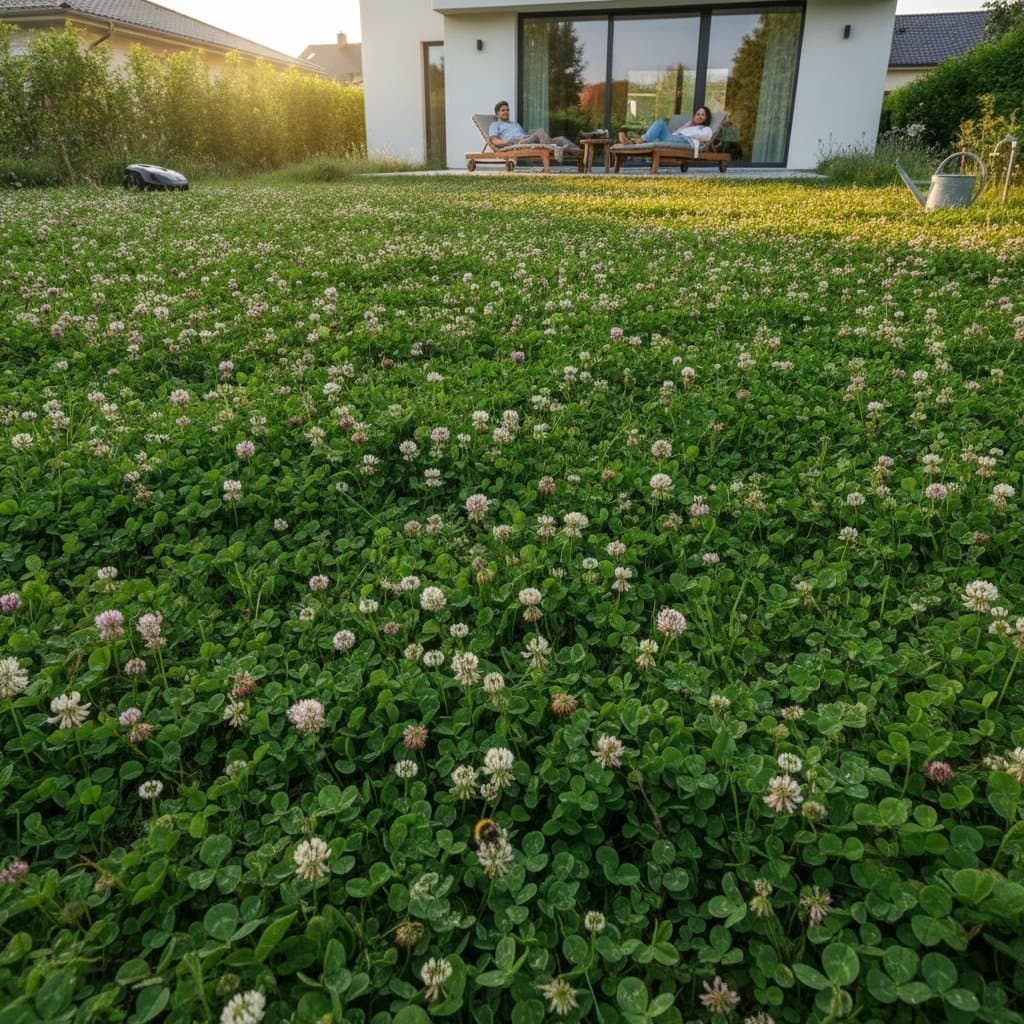
A lush green yard once required frequent mowing, watering, and fertilizing. Many homeowners now choose clover lawns for the same soft texture and vibrant color with far less effort. These lawns stay green during dry periods, need minimal intervention, and reduce annual maintenance expenses by approximately $800.
Clover lawns support pollinators through small white or pink blooms that attract bees and butterflies. The dense foliage remains fresh without constant watering and improves soil health over time.
Site and Climate Considerations
Clover performs well across most regions with moderate sun exposure. It suits both small yards and larger lawns in temperate or transitional climates. The primary goal is lower maintenance, reduced water use, and fewer chemicals while preserving curb appeal.
Prepare Soil for Strong Establishment
Clover grows best in moderately fertile soil with a slightly acidic to neutral pH. It tolerates poorer conditions than grass yet responds well to basic preparation. Remove existing turf and weeds first. Loosen the top few inches of soil for better root contact, then rake the surface smooth for even seed distribution.
Sow pure clover seed for a full conversion, or mix it with grass seed if a blended lawn is preferred. Water daily during germination, which typically occurs within one week. Reduce watering gradually afterward. Skip nitrogen fertilizer because clover produces its own through natural fixation.
Rely on Natural Fertilization
Clover belongs to the legume family and draws nitrogen from the air to nourish itself. This process keeps foliage dense and green without synthetic products. Traditional lawns often need repeated fertilizer applications that add expense and contribute to waterway runoff.
When clover grows alongside turfgrass, it shares nitrogen with nearby plants and improves overall lawn health. Nearby garden beds also benefit as soil quality increases over successive seasons.
Encourage Pollinators and Soil Organisms
Clover flowers draw bees, butterflies, and beneficial insects. Roots support microorganisms that enrich the soil and create a small functioning ecosystem. Microclover varieties produce fewer blooms for those who prefer minimal flowers, while white clover offers a natural meadow appearance.
Earthworms and microbes thrive beneath the surface, reducing compaction and improving drainage. Blends with creeping thyme or low-growing yarrow add color variation and extend bloom periods without extra care.
Apply Light Maintenance for Consistent Appearance
Clover requires less grooming than turfgrass. Overseed each spring or fall to maintain thickness. Water only during prolonged dry spells, since clover recovers rapidly with returning moisture. Mow once a month to keep the surface even. Rake fallen leaves lightly to avoid shaded patches.
Clover maintains rich color through mild drought and intense sun. The even tone enhances front yards and garden edges alike.
Track Annual Savings
Switching to clover reduces expenses from watering, mowing, and fertilizing. Typical grass lawns demand weekly mowing, multiple fertilizer treatments, and regular irrigation. Clover needs far less input, producing combined yearly savings near $800.
Savings typically break down as follows:
- Mowing and fuel costs drop by around $200
- Fertilizer and amendments decrease by about $300
- Water expenses fall by roughly $300
Indirect benefits include lower emissions from reduced mowing and protection of local streams through decreased chemical use. Healthier soil requires fewer future amendments.
Daily Enjoyment of a Clover Lawn
Established clover lawns need only occasional trimming and reseeding. Children and pets play safely on the soft surface. The yard stays green with little attention, allowing more time outdoors. Neighbors notice the uniform color and subtle flowers. The texture feels pleasant underfoot, and the scent after rain is fresh and earthy.
Clover adapts to a taller meadow style or a shorter manicured finish. It blends naturally with garden beds, native plantings, and gravel paths for a cohesive landscape.