
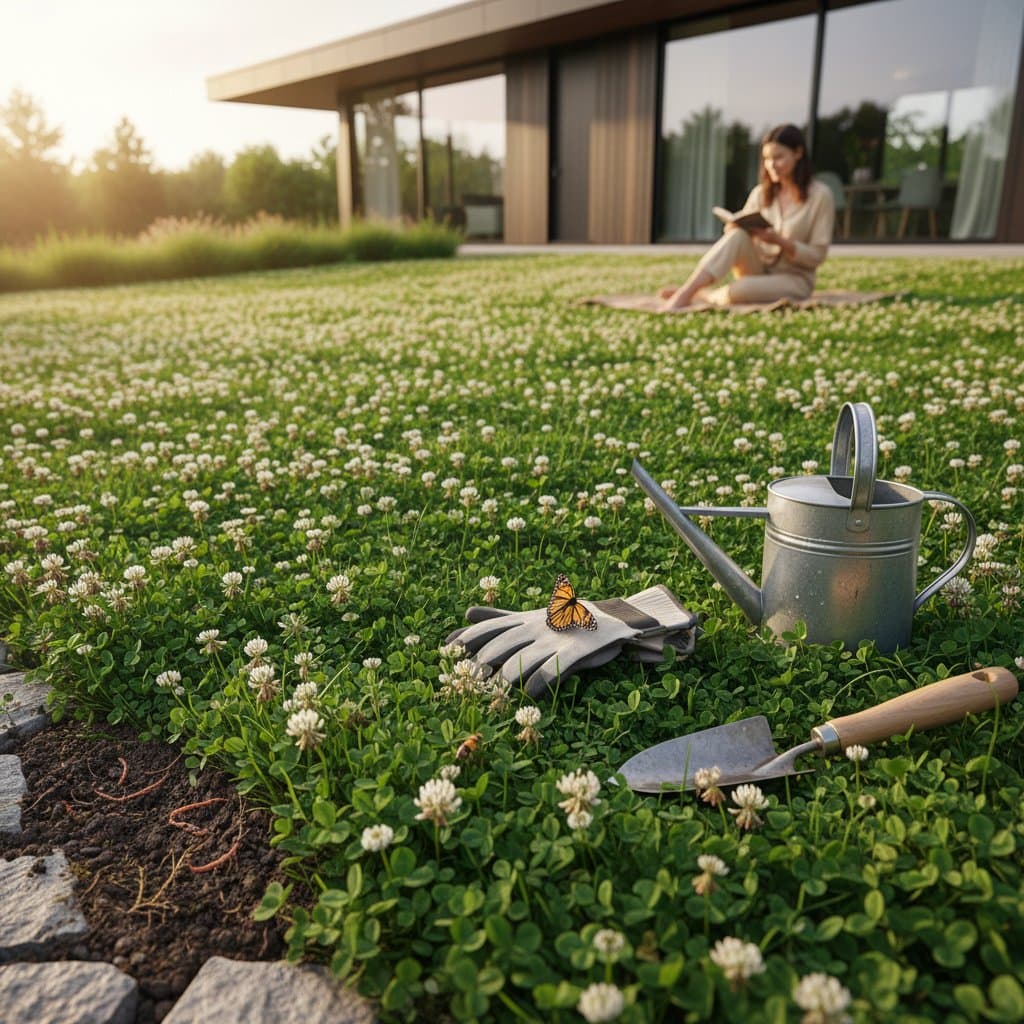
Why Clover Lawns Outperform Traditional Grass
Clover lawns present a compelling alternative to conventional turfgrass, delivering sustainability and ease. Homeowners increasingly turn to clover for its ability to thrive with less effort, fostering healthier ecosystems and reducing household chores. The following sections highlight key advantages that make clover a smart choice for modern landscapes.
Lower Fertilizer Requirements
Clover fixes nitrogen from the air through its roots, nourishing itself and enriching surrounding soil naturally. This process eliminates the need for synthetic fertilizers that traditional grass demands to maintain color and density. As a result, clover lawns promote healthier soil biology without chemical inputs, benefiting both the environment and long-term yard vitality.
Reduced Maintenance Efforts
Clover grows slowly and evenly, rarely requiring mowing to stay tidy. In contrast, standard lawns need weekly cuts during peak seasons to achieve a manicured look. This difference frees up significant time and labor, allowing homeowners to enjoy their outdoor spaces rather than constantly tending them.
Enhanced Durability
Clover handles moderate foot traffic well, making it suitable for play areas or pathways with light use. It recovers quickly from wear, and mixing it with sturdy grass varieties boosts overall toughness. Such blends create resilient surfaces that withstand daily activities while preserving a natural appearance.
Appealing Aesthetics
Clover lawns offer a soft, meadow-like charm with delicate white or pink flowers dotting the green expanse. Those accustomed to the precise lines of mowed grass may need time to appreciate this style. Many find the varied texture and subtle blooms more inviting and genuine once they experience it firsthand.
Choosing the Right Clover Variety
Selecting a clover type depends on your region's climate, soil type, and how you use the space. Each variety brings unique traits that suit different needs, ensuring successful integration into your yard.
-
Microclover: Ideal for low-mow lawns, this variety features small leaves and few flowers, blending easily with existing grass or standing alone as a lush, even carpet. Its compact growth suits high-visibility spots like front yards or gathering areas, staying short without frequent trimming.
-
White Dutch Clover: Known for its classic white blooms, this option grows to a moderate height and spreads reliably. It works well in larger yards or open fields, evoking a serene, countryside feel that enhances natural settings.
-
Strawberry Clover: Perfect for coastal regions, it tolerates salt and poor soils effectively. The soft pink flowers provide a subtle accent, fitting seamlessly into mixed garden designs with other resilient plants.
How to Create a Clover Lawn
Transitioning from grass to clover requires careful preparation, but the process proves straightforward with these steps. Follow them to establish a thriving patch that demands little ongoing care.
-
Prepare the Site: Remove existing grass and weeds to give clover a clear start. Aerate the soil lightly or rake it to loosen the surface, promoting better seed contact and root development.
-
Test and Amend Soil: Clover prefers well-draining soil with a pH between slightly acidic and neutral. Add organic compost to compacted or nutrient-poor areas before seeding to create an optimal base.
-
Seed Evenly: Use a broadcast spreader for uniform coverage, or scatter seeds by hand for smaller spaces. Mix seeds with sand or light soil to improve distribution and prevent clumping.
-
Water Initially: Keep the soil consistently moist but not soggy until seedlings appear, typically in 7 to 14 days. Gradually reduce watering as the plants establish deeper roots.
-
Manage Early Growth: Once settled, clover needs minimal attention. Water during extreme dry spells and mow lightly once or twice a year to encourage density and control height.
Experts recommend mixing in 10 to 20 percent drought-tolerant grass for added strength. This combination balances clover's softness with grass's robustness, maintaining low upkeep overall.
Addressing Common Concerns About Clover
Misconceptions often deter people from trying clover, but facts reveal its practicality. Clearing up these points helps homeowners embrace this option confidently.
Bee Activity and Safety: Clover flowers attract bees, which play a vital role in pollination. These insects rarely sting unless provoked, so mow before peak bloom if allergies concern you, or focus on low-flower varieties like microclover.
Stain Risks: Clover leaves might leave faint marks on clothing or skin, similar to grass clippings. These wash off easily with soap and water, posing no greater issue than traditional lawns.
Spread Control: Clover spreads steadily but not aggressively like some weeds. Maintain edges with occasional trimming and avoid overwatering to keep it contained within desired boundaries.
Pet Friendliness: Clover withstands pet play and recovers from paw traffic or digging. It also holds up better against urine spots than many grasses, staying green with less yellowing.
Evaluating Costs and Lasting Benefits
Initial seeding costs for clover remain affordable, often far below those for high-end sod or specialized grasses. Over time, savings grow through lower water bills, eliminated fertilizer purchases, and fewer mowing sessions. Many homeowners recover their investment within the first year by tracking reduced expenses.
From a property value perspective, a well-kept clover lawn boosts curb appeal. It signals environmental awareness and thoughtful design, qualities that appeal to today's eco-conscious buyers and enhance marketability.
Blending Clover into Broader Garden Designs
Clover fits naturally into diverse landscapes, especially those in California that prioritize texture and sustainability. Pair it with native borders, stone paths, and drought-resistant plants like lavender or yarrow for a unified look. The clover's steady green contrasts beautifully with these elements, creating an inviting and cohesive yard.
In recreational areas, use clover around patios or under seating for a cushioned, comfortable feel. It connects smoothly to vegetable gardens or orchards, improving soil fertility and drawing bees to boost fruit production nearby.
Caring for and Appreciating Your Clover Lawn
Established clover functions independently, requiring little intervention to thrive. This shift allows more time for enjoyable activities, such as gardening, family gatherings, or simply relaxing outdoors. The lawn holds its color through summer heat, with bees and butterflies adding life among the blooms.
Assess seasonal needs with a light spring raking to remove debris and a midsummer trim if growth exceeds preferences. Avoid heavy traffic right after rain to prevent soil compaction, as clover roots prefer firm but aerated conditions.
Embracing Sustainable Outdoor Living
The rise of clover lawns reflects a broader move toward yards that work with nature rather than against it. Clover achieves this balance by combining ease, durability, and visual interest into a lasting solution. Homeowners who adopt it gain not only practical advantages but also a deeper connection to their environment, fostering outdoor spaces that sustain both people and wildlife.