
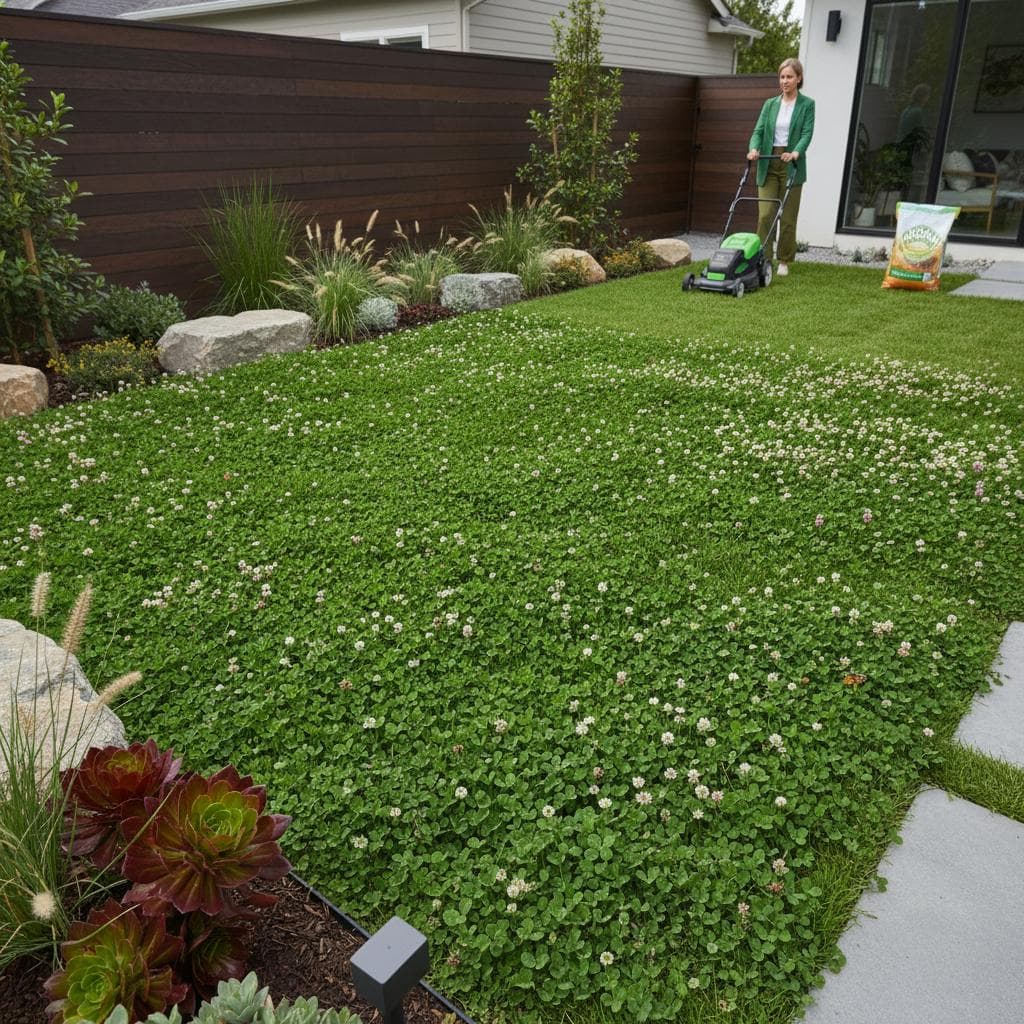
The Advantages of Clover Lawns: 30% Savings Over Traditional Grass by 2026
Homeowners often envision a vibrant green yard as an essential feature of their property. Traditional grass lawns, however, require substantial water, fertilizers, and regular mowing to maintain their appearance. Clover lawns emerge as a wise, environmentally sound substitute that conserves time, money, and natural resources while offering a gentler, more organic aesthetic and significantly lowering upkeep expenses.
This transition to clover aligns with evolving landscape design principles that emphasize sustainability and practical performance. The approach preserves aesthetic appeal while developing an outdoor area that benefits both residents and the ecosystem.
At a Glance
- Location: Suitable for most temperate regions
- Size: Adaptable from compact urban plots to expansive suburban properties
- Climate Zone: Thrives in areas with mixed sunlight to partial shade
- Project Goal: Decrease maintenance and water expenses while preserving an attractive outdoor environment
Reduced Watering: The Key to Lower Bills
Clover possesses deep root systems that access moisture efficiently from deeper soil layers. This characteristic allows clover to endure dry spells far better than shallow-rooted grass, which demands frequent irrigation to prevent browning.
A landscaping expert observes: "Clover lawns use up to one-third less water than grass, translating directly to substantial savings on utility bills."
Practical Advantage: Families reduce their environmental footprint and avoid high summer water charges, especially in regions facing drought restrictions.
Design Tip: Establish clover in well-drained soil and water deeply but infrequently during the first season to encourage root growth. Once mature, supplemental watering becomes rare even in hot weather.
Real-World Case: One homeowner in a semi-arid area replaced their entire grass lawn with clover and reported a 35% drop in annual water usage, maintaining lush coverage without hoses or sprinklers.
Highlight: Clover's efficient water uptake keeps landscapes hydrated with minimal intervention, ensuring bills stay low year after year.
Less Mowing for More Leisure Time
Clover grows at a slower rate than most grass varieties, which means mowing occurs far less often. Homeowners typically need to trim clover only every two to four weeks, compared to weekly sessions for grass.
A groundskeeper notes: "With clover, you reclaim hours each month that would otherwise go to lawn maintenance. It is a game-changer for busy schedules."
Practical Advantage: Reduced fuel or electricity consumption from mowers lowers costs and emissions, while freeing up weekends for enjoyment rather than chores.
Design Tip: Set mower blades higher, around three inches, to promote clover's natural density and avoid stressing the plants. Incorporate paths or borders to define mowing zones efficiently.
Real-World Case: A family with a half-acre yard cut mowing from 52 times per year to just 15, saving over $200 annually on equipment and time.
Highlight: The slower growth of clover transforms yard care from a demanding task into an occasional, straightforward activity.
Eliminating Fertilizer Purchases
Clover functions as a natural nitrogen fixer by drawing nitrogen from the atmosphere and storing it in its root nodules. This process nourishes the clover itself and enriches nearby soil for other plants, eliminating the need for synthetic fertilizers.
A landscape contractor states: "Once established, clover renders the fertilizer spreader obsolete. The soil achieves self-sufficiency over time."
Practical Advantage: Avoiding chemical fertilizers prevents pollution in nearby streams and eliminates recurring expenses on store-bought products.
Design Tip: Select varieties such as white clover or microclover to ensure balanced nitrogen distribution and a uniform green appearance throughout the seasons.
Real-World Case: A suburban resident who converted half their lawn to clover achieved consistent coloration without the yellow patches typical of nitrogen-deficient grass.
Highlight: Microclover delivers a vivid, steady green hue across the growing period without any supplemental feeding.
Natural Weed Suppression
The thick, dense growth habit of clover crowds out potential weeds by covering the soil surface comprehensively. Its broad leaves provide shade that inhibits seed germination from common intruders like crabgrass.
A horticulturist explains: "Clover forms a living mulch layer that blocks weeds naturally, allowing homeowners to forgo herbicides completely."
Practical Advantage: Savings on weed control products protect family health, particularly around children and pets, by reducing exposure to toxins.
Design Tip: Overseed clover densely in early spring or fall, when soil temperatures remain moderate, to maximize coverage and suppression effectiveness.
Real-World Case: During a front yard overhaul, switching to microclover decreased weed incidents by more than 80% each year.
Highlight: The broad leaves of clover shade the ground, fostering a weed-resistant green expanse with ease.
Supporting Pollinators Discreetly
The delicate flowers of clover draw bees, butterflies, and other vital pollinators to the yard, enhancing biodiversity. Regular mowing keeps the appearance tidy, resembling a conventional lawn rather than an untamed field.
A garden designer comments: "Clover nurtures pollinators while upholding a polished look that suits neighborhood standards. It creates a balanced ecosystem."
Practical Advantage: Increased pollinator activity improves yields from vegetable gardens and fruit trees by facilitating better pollination.
Design Tip: Mow prior to peak flowering if pollinator presence near play zones concerns you. Allow blooming in peripheral areas to provide food sources without disruption.
Real-World Case: A blended clover and thyme lawn hosted gentle bee activity at its edges, while central seating remained serene and bloom-free.
Highlight: Subtle white flowers emerge amid green foliage, attracting pollinators while preserving neat borders along pathways.
Enhancing Modern Landscape Aesthetics
Clover lawns integrate seamlessly with contemporary trends favoring natural elements and casual outdoor retreats. They pair harmoniously with ornamental grasses, stone paths, and flower borders.
A landscape architect remarks: "Clover connects structured lawns with freer meadows, appearing purposeful and welcoming."
Practical Advantage: The plush texture contrasts effectively with hard surfaces like patios, adding warmth to designed spaces.
Design Tip: Position clover as a buffer between concrete areas and plantings to temper rigid lines, presenting it as intentional landscaping.
Real-World Case: In a compact courtyard, clover accents between pavers formed a soft, inviting surface ideal for bare feet.
Highlight: Low-growing clover merges with gravel walkways, softening transitions for a unified, restful vibe.
Building Resilience for Changing Climates
Clover demonstrates remarkable adaptability to varying weather, tolerating heat waves and light frosts while retaining its color. This durability ensures it outperforms grass during extreme conditions.
A sustainability consultant asserts: "Clover prepares landscapes for future uncertainties with its minimal needs and strong endurance."
Practical Advantage: Owners secure a yard that withstands climate variability without increased intervention or replacement costs.
Design Tip: Combine clover with resilient companions like echinacea or yarrow to craft a unified, weather-resistant garden scheme.
Real-World Case: A front yard featuring microclover and decorative grasses retained its vibrancy through cycles of drought and rain.
Highlight: Clover's versatile leaves maintain lushness across seasons, providing steady visual appeal.
Integrating Clover into Daily Outdoor Life
Adopting a clover lawn alters the sensory experience of a yard, introducing cushion underfoot, soil vitality, and occasional pollinator sounds. Lower water statements arrive alongside a consistently verdant canvas that demands little effort.
For residents and professionals, clover signifies progress toward efficient, uncomplicated yard management. It illustrates how allure and utility merge effectively. Selecting clover commits to a space that flourishes independently, conserves assets, and embodies mindful outdoor engagement.