
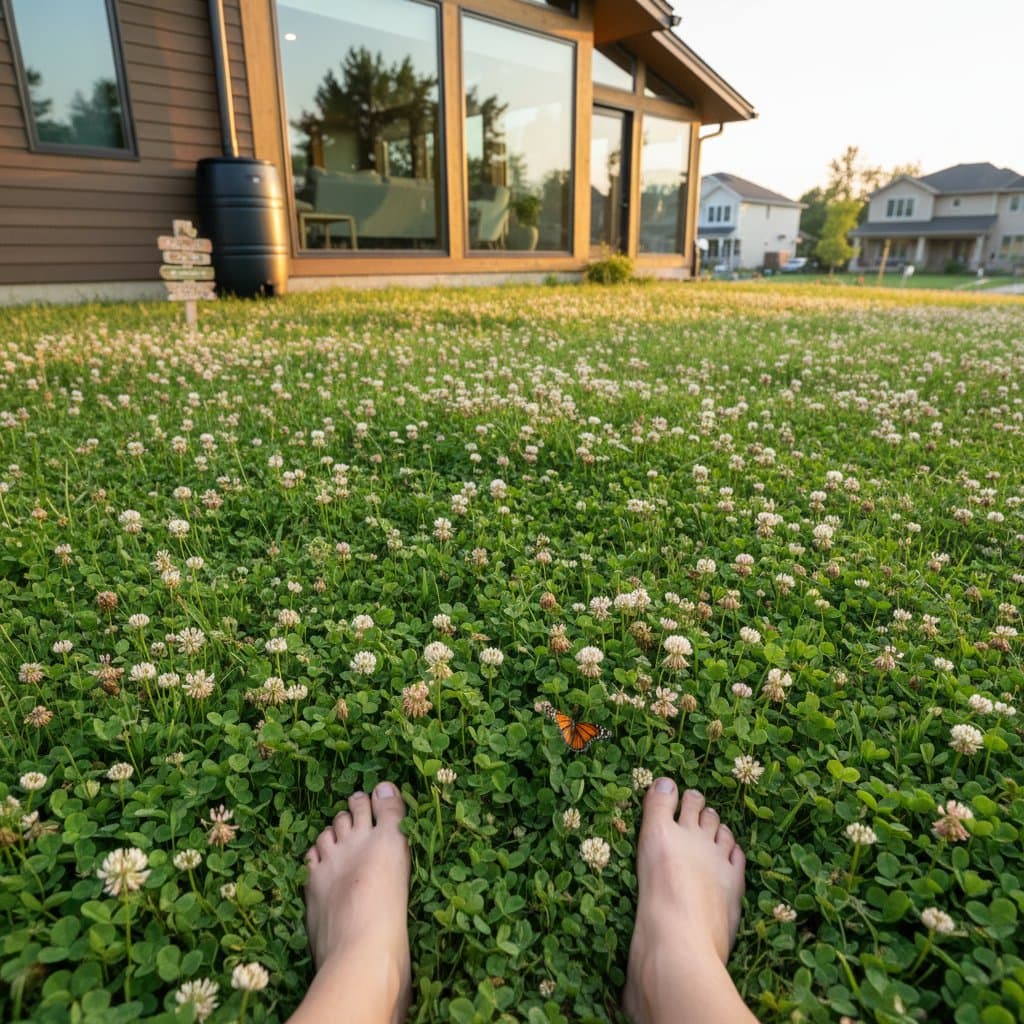
Clover Lawns: Revolutionizing Low-Maintenance Yards
A lush green yard often serves as the pride of a home. Traditional grass lawns demand significant effort, including high water usage, frequent mowing, and regular fertilizer applications. These requirements can overwhelm even dedicated gardeners. Homeowners increasingly turn to a low-maintenance, eco-conscious alternative that provides an inviting feel underfoot: the clover lawn. This resilient ground cover transforms outdoor design in California, delivering beauty, durability, and sustainability in one package.
Why Clover Gains Popularity
Clover lawns represent a longstanding concept that now receives fresh interest for valid reasons. Varieties such as white Dutch clover and microclover thrive in varied conditions and remain green throughout much of the year in mild climates. These plants withstand foot traffic effectively, offer a soft surface for children and pets, and resist common issues that affect traditional turf.
Clover differs from grass by naturally enriching the soil through nitrogen fixation, which minimizes or eliminates the need for added fertilizers. The plant maintains its vibrancy with reduced water input, a valuable feature in water-conscious areas. Consequently, the yard appears healthy with limited intervention, which conserves time, money, and resources.
Key Advantages of Clover Lawns
-
Low Water Requirements
Clover develops a deep root system that accesses moisture from deeper soil layers, allowing it to endure moderate drought. Occasional watering during extended dry periods proves beneficial, yet the overall demand falls well below that of standard lawns. This trait supports water conservation efforts without sacrificing appearance. -
Minimal Mowing Needs
Clover varieties typically reach a height of only a few inches, requiring mowing every few weeks at most. In certain setups, homeowners forgo mowing entirely. For a groomed aesthetic, light trimming suffices to preserve a neat surface while avoiding plant stress. -
Natural Soil Enrichment
Clover captures nitrogen from the atmosphere and stores it in its roots, thereby improving soil quality. This mechanism nourishes the clover itself and adjacent plants, fostering a self-sustaining ecosystem. As a result, synthetic fertilizers become unnecessary, enabling a chemical-free landscape. -
Resistance to Pests
Clover demonstrates natural resilience against numerous pests and diseases. It draws beneficial insects, such as bees and butterflies, while its dense coverage suppresses invasive weeds effectively. -
Soft and Cool Texture
The velvety surface of clover provides a cushioned feel ideal for barefoot walking. It remains cooler than synthetic turf or certain grasses, enhancing comfort during outdoor activities and relaxation.
Selecting the Appropriate Clover Variety
Choosing the suitable clover type ensures long-term success. White Dutch clover stands out for its dense mat formation, low growth habit, and tolerance of partial shade. Microclover, with its finer leaves, integrates seamlessly with existing grasses to produce a uniform, green expanse. This option delivers the desired seamless look alongside the durability and environmental benefits of clover.
In areas with strong sunlight and sparse rainfall, blending clover with drought-resistant native grasses proves effective. Such mixtures harmonize texture and strength while promoting biodiversity. Consult local garden centers or landscape experts to customize the blend according to your soil composition and local climate.
Establishing a Clover Lawn
Converting from grass to clover proves straightforward. Proceed by overseeding an existing lawn or preparing a new area from scratch.
-
Prepare the Site
Mow the current lawn to a short height and remove debris with a rake. For bare soil, till the top layer and eliminate weeds. Clover seeds sprout best in aerated, debris-free soil. -
Distribute Seeds Uniformly
Spread seeds evenly over the area using a broadcast spreader or by hand. Gently rake the surface to promote seed-to-soil contact. -
Provide Initial Watering
Maintain consistent soil moisture until seedlings emerge, typically within two weeks. Established clover requires watering only as needed. -
Balance Mixtures Carefully
When mixing with grass, adhere to recommended ratios. Excessive grass may dominate the clover, whereas an overabundance of clover might necessitate reseeding after intense activity.
Ongoing Maintenance and Seasonal Adjustments
Clover lawns demand little upkeep for optimal performance. Mow once or twice monthly to achieve tidiness, although a natural, meadow-like appearance appeals to many. Refrain from synthetic fertilizers, as they interfere with the plant's nitrogen-fixing process. Opt for compost or organic amendments to enhance soil health if desired.
Weeds rarely establish due to clover's density, but manual spot removal addresses any intrusions. In arid seasons, apply deep watering every few weeks to sustain color and resilience. These practices keep the yard vibrant and usable throughout the year.
Integrating Clover into Daily Outdoor Life
An established clover lawn alters the outdoor experience positively. The surface feels softer and more natural, inviting extended time outside. It aids pollinators, lowers upkeep expenses, and controls water costs. Families appreciate the low-effort space that encourages play and leisure.
Clover complements contemporary designs, such as gravel walkways, native borders, and simple patios. The interplay of texture and greenery boosts curb appeal with minimal ongoing effort. This solution aligns aesthetics with environmental stewardship for discerning homeowners.
Advancing Toward Sustainable Landscaping
Adopting a clover lawn signifies a commitment to thoughtful outdoor management. It replaces resource-intensive turf with a hardy, beneficial cover that flourishes independently. Homeowners gain a revitalized space that nurtures soil health and simplifies routines.
Consider clover for full yard overhauls or targeted updates. This choice restores vitality to the ground, promotes ecological balance, and frees up time for enjoyment.