
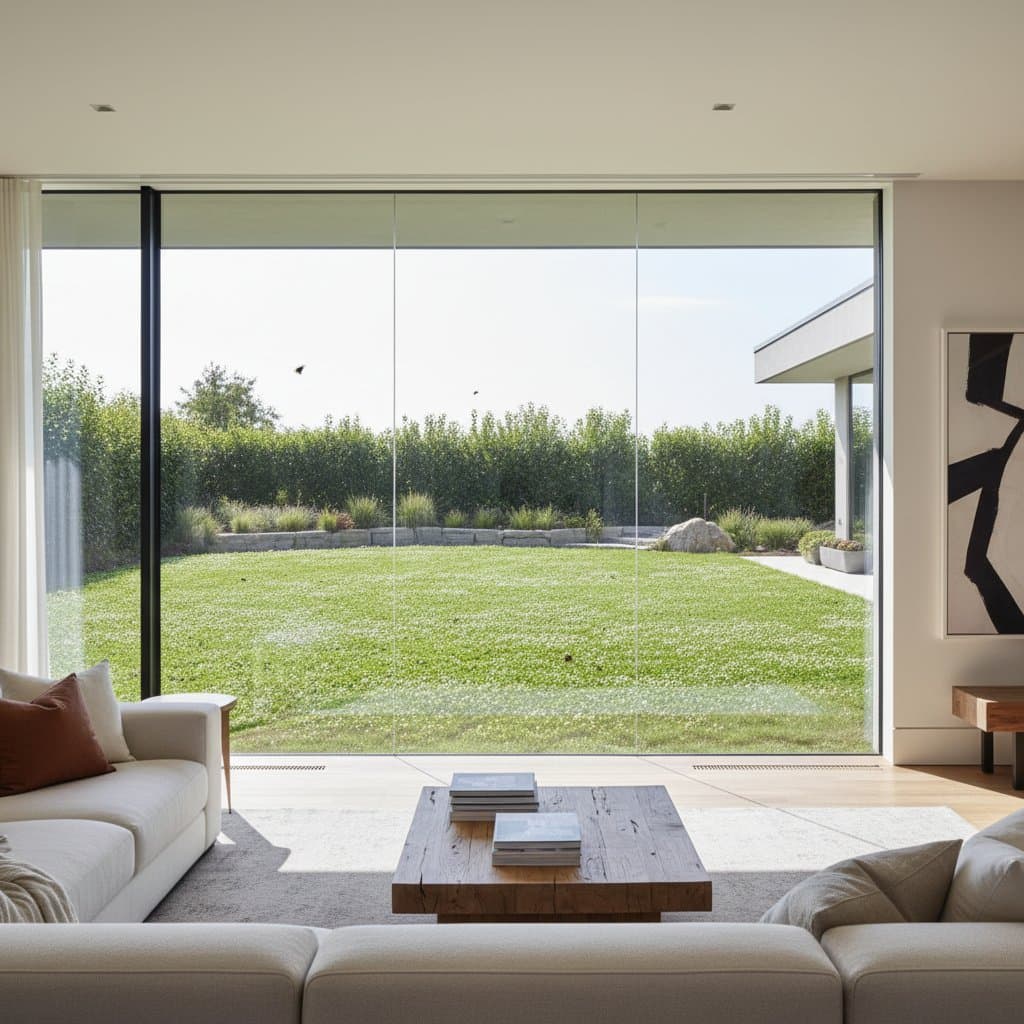
Why Clover Lawns Outperform Traditional Grass for 2026 Homeowners
Clover lawns introduce a vibrant alternative to conventional turf in residential settings. They offer a soft appearance and resilient performance in areas where grass typically falters. Homeowners increasingly select clover for its ability to remain verdant with minimal irrigation, chemical inputs, and upkeep. This approach yields an inviting, low-effort outdoor area that aligns with modern sustainability priorities.
At a Glance
Location: Suitable for most temperate climates
Size: Adaptable from compact patios to expansive suburban yards
Climate Zone: Thrives in areas with moderate rainfall and full to partial sunlight
Project Goal: Minimize ongoing care while preserving a vibrant, green expanse
2. Elimination of Fertilizer Requirements
As a legume, clover partners with rhizobia bacteria in the soil to fix atmospheric nitrogen, converting it into usable plant nutrients. This process nourishes the clover itself and enriches adjacent vegetation, rendering commercial fertilizers unnecessary. Plant seeds at a rate of 4 to 6 ounces per 1,000 square feet for optimal establishment.
This self-sufficiency fosters superior soil health and curbs nutrient pollution from runoff. Unlike grass, which demands seasonal applications that risk contaminating waterways, clover maintains a nutrient-rich profile naturally. The outcome is a lush, emerald expanse with diminished long-term expenses.
4. Natural Weed Suppression and Simplified Upkeep
Established clover creates a thick canopy that deprives weed seeds of light, preventing germination without chemical interventions. Broadcast seeds over prepared soil in early spring or fall, then lightly rake to ensure contact for sprouting within 7 to 10 days. This density acts as an inherent barrier to invasives.
Mowing occurs infrequently, perhaps once or twice annually to manage flower heads, or not at all for a meadow aesthetic. Such practices slash time commitments, equipment fuel, and emissions compared to weekly grass cuts. Families appreciate the safer, chemical-free zone for play and pet activities.
6. Seamless Integration with Complementary Plants
Clover pairs effectively with companions like fine fescues or creeping red fescue to add textural variety and bolster drought tolerance. Sow a 70:30 clover-to-grass mix for balanced coverage that self-regulates over time. This combination yields a dynamic surface resilient to foot traffic.
In transitional areas, clover edges garden beds or wildflower patches smoothly, unifying the design. Pair it with mulched paths or permeable pavers for a modern, permeable landscape that manages stormwater efficiently. Homeowners can tailor the blend to achieve either a manicured look or a wilder, naturalistic vibe.
7. Cost-Effective Installation and Long-Term Savings
Initial seeding for clover runs about $0.10 per square foot, far below sod or intensive grass establishment. Its autonomy eliminates recurring costs for amendments or pest control, often recouping investments within the first season. Prepare soil by tilling to 4 inches and removing debris for best results.
Propagation occurs via stolons and self-seeding, filling bare spots organically without manual intervention. For larger properties, this scalability keeps labor costs down while advancing eco-conscious practices. The cumulative savings extend to reduced municipal water usage and carbon footprints from maintenance.
Embracing the Clover Lawn Lifestyle
A clover lawn reorients outdoor routines toward enjoyment over exertion. It offers a gentle terrain for daily strolls and seasonal gatherings, with blooms signaling nature's rhythms. Deep roots steadily amend the subsurface, yielding a foundation that endures.
Once rooted, these lawns rebound from wear, sustain vibrancy amid challenges, and host beneficial wildlife year-round. The transition from grass represents an investment in harmonious, nature-aligned living. Homeowners discover more leisure in their spaces, cultivating environments that nurture well-being and planetary health alike.