
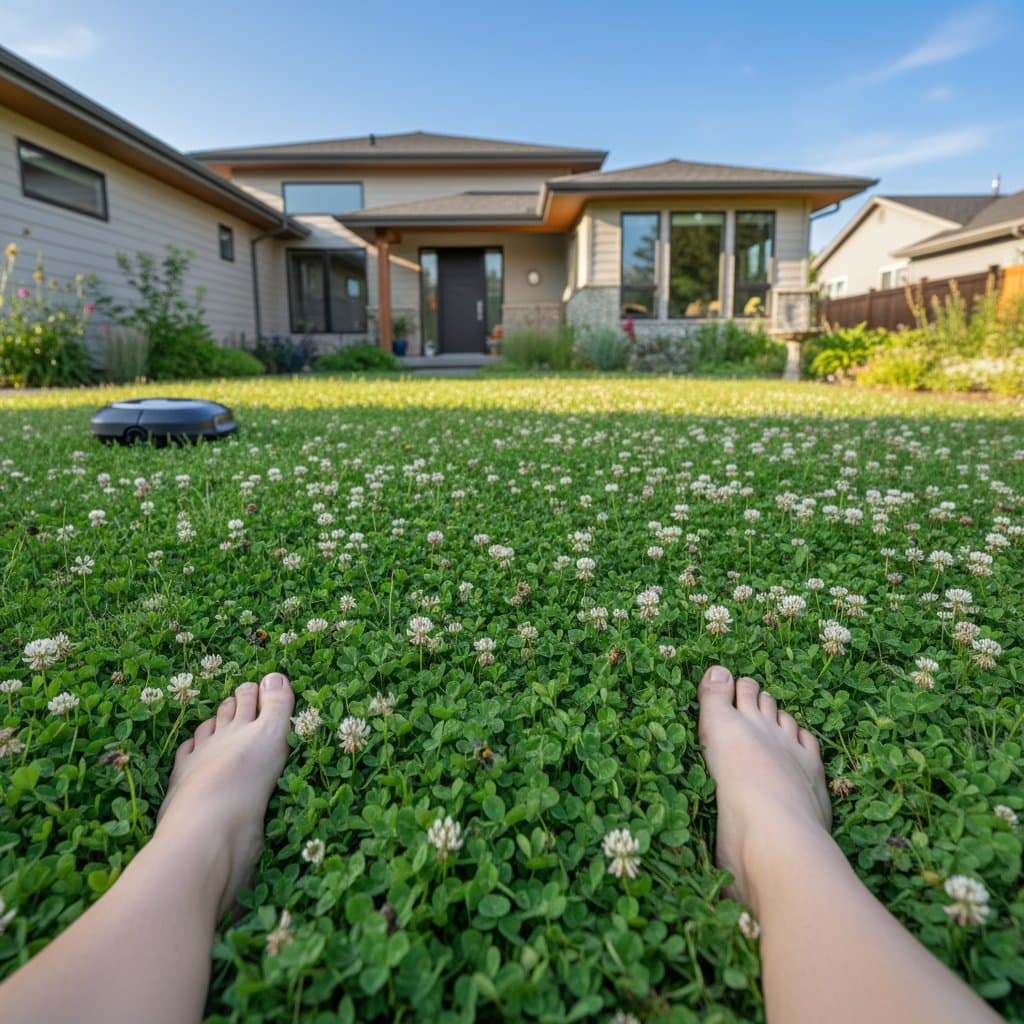
Discover the Advantages of Clover Lawns as a Low-Maintenance Alternative
Homeowners often face the chore of frequent lawn maintenance, yet clover lawns present an effective alternative. These lawns offer consistent green coverage with reduced effort in mowing, watering, and fertilizing. By incorporating clover, individuals achieve attractive landscapes that align with sustainable practices and modern lifestyles.
Clover thrives in diverse conditions, including compacted soils and shaded areas where traditional grass struggles. This resilience stems from its nitrogen-fixing roots, which enrich the soil naturally. As a result, clover lawns support healthier ecosystems while demanding less from gardeners.
Comparing Clover to Conventional Turfgrass
Traditional turfgrass requires weekly mowing, regular fertilization, and substantial watering to remain healthy. These demands lead to high resource consumption and labor investment. In contrast, clover operates efficiently, growing slowly and needing interventions only a few times annually.
Clover excels in regions like California, where summer droughts challenge grass survival. It retains its color with one-third the water of typical lawns, according to horticultural studies. This efficiency reduces utility bills and environmental impact, making clover a strategic choice for water-conscious areas.
The legume properties of clover enable it to capture atmospheric nitrogen through symbiotic bacteria in its roots. This process supplies nutrients to the plants and improves surrounding soil fertility over time. Gardeners benefit from a nutrient-rich base that discourages weed invasion without added chemicals.
Key Features That Define Clover as a Low-Mow Solution
Clover typically reaches heights of four to six inches, forming a uniform, cushion-like surface. Without mowing, it develops a meadow appearance that enhances natural aesthetics. For a more formal style, a single trim every few months suffices to control growth.
Homeowners select from several clover varieties to suit their needs:
- White Dutch Clover: This variety establishes rapidly and produces delicate white flowers that draw bees and butterflies. It forms a dense mat ideal for play areas.
- Microclover: With finer leaves, it integrates seamlessly with existing grass or serves as a standalone cover. Its compact growth minimizes flowering for tidier lawns.
- Crimson Clover: Known for vibrant red blooms, it suits ornamental beds or seasonal accents, adding visual interest during spring.
Each option varies in growth rate and bloom intensity, allowing customization based on yard size and design vision. Selecting the appropriate type ensures long-term satisfaction and performance.
Achieving Water Conservation Through Clover
Water scarcity influences landscaping decisions across California. Established clover lawns demand irrigation only every two weeks during dry spells, compared to weekly needs for grass. Its extensive root network, extending up to two feet deep, accesses moisture efficiently and prevents evaporation.
This trait proves invaluable in Mediterranean climates, where rainfall averages below 20 inches annually in many areas. Clover maintains vitality through heat waves, fading minimally before recovering with light rain. Gardeners report up to 50 percent savings on water bills after transitioning to clover.
Integrating clover supports broader sustainability efforts. It complements drought-tolerant natives like California fuchsia or manzanita, creating unified low-water gardens. Permeable surfaces, such as gravel paths, further enhance this approach by allowing rainwater infiltration.
Supporting Pollinators and Pet Comfort in Clover Spaces
Clover flowers serve as nectar sources for bees, hoverflies, and other beneficial insects. This attraction boosts pollination for nearby fruit trees and vegetable gardens, increasing yields naturally. A diverse insect population also controls pests, reducing the need for interventions.
To manage bee activity near patios, schedule mowing during peak bloom in late spring. This practice preserves the lawn's green while limiting flower production. Over time, the ecosystem balances, with pollinators focusing on wilder garden edges.
For pet owners, clover provides a resilient, forgiving surface. It withstands digging and romping without developing bare spots, unlike grass that yellows from urine. The nitrogen cycle in clover neutralizes acids from pet waste, promoting even regrowth and minimizing stains.
Steps to Establish a Thriving Clover Lawn
Transitioning to clover requires minimal preparation and yields quick results. Begin in fall or early spring for optimal germination in mild climates.
- Clear the site: Mow existing grass to two inches and remove clippings or thatch with a rake.
- Aerate the soil: Use a garden fork to loosen the top two inches, improving seed-to-soil contact without deep disruption.
- Sow the seeds: Spread one pound of clover seed per 1,000 square feet, ideally mixed with inert sand for even coverage. Rake lightly to incorporate.
- Irrigate consistently: Apply shallow water daily for the first two weeks to encourage sprouting, then taper to deeper, infrequent sessions.
Seeds germinate in seven to 14 days, with full coverage achieved in one to two months. Overseed thin spots annually to sustain density. In mixed lawns, reduce grass competition by mowing at three inches initially.
Simplifying Ongoing Care for Clover Lawns
Clover demands little beyond occasional attention, freeing time for other pursuits. Fertilizers prove unnecessary due to its self-nourishing biology, though a soil test every three years confirms nutrient levels. Weeds struggle against the shading canopy, but hand-pulling addresses any intruders early.
Mow at four inches if blending with grass, or leave unmowed for a wilder effect. In high-traffic zones, aerate yearly to prevent compaction. These steps ensure the lawn remains vibrant with effort comparable to planting annual flowers.
Concerns about pollen or staining arise occasionally. Opt for low-bloom varieties like microclover to mitigate allergies. Dark clothing during picnics avoids minor flower residue, and the overall softness enhances barefoot enjoyment.
Enhancing Everyday Experiences with Clover
A clover lawn transforms outdoor routines into pleasures. Its cool texture invites lounging on summer days, while the subtle earthy scent follows light rains. Neighbors notice the persistent green against seasonal browns, elevating property appeal effortlessly.
Design versatility defines clover's appeal. In contemporary settings, it underpins sleek hardscapes with clean lines. Traditional yards gain charm through informal borders, pairing with perennials for layered interest. Regardless of style, clover delivers reliable beauty.
Harvest the Benefits of Sustainable Clover Landscaping
Adopting clover yields tangible gains in time, resources, and enjoyment. Water and maintenance costs drop, while ecological contributions rise through soil enrichment and wildlife support. California residents find this option perfectly attuned to local conditions, from coastal fog to inland heat.
The initial seeding investment pays dividends in relaxed weekends and thriving yards. Imagine settling into a shaded spot with a book, surrounded by resilient greenery that requires no further thought. Clover lawns embody practical elegance for enduring outdoor harmony.