
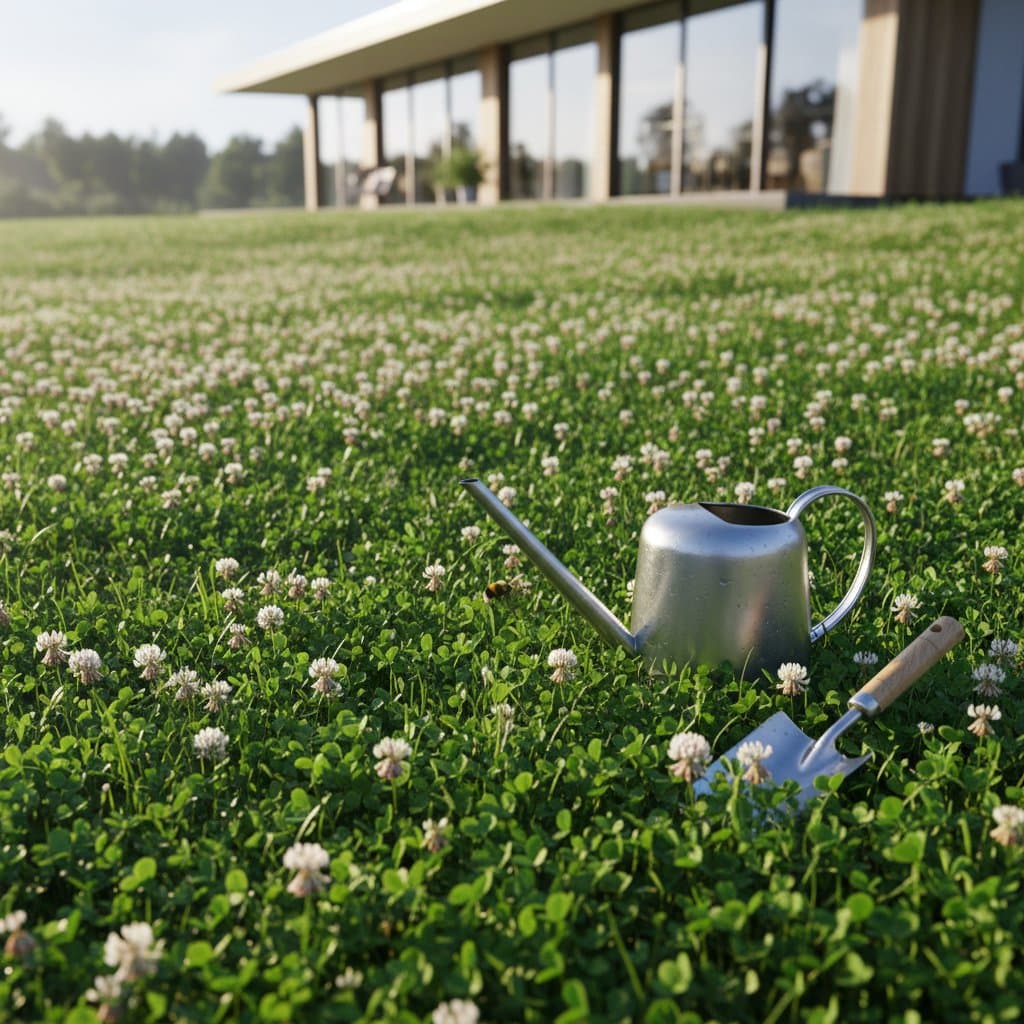
Why Clover Lawns Outperform Traditional Grass by 30%
Homeowners value a vibrant green yard, yet maintaining traditional turfgrass demands substantial resources in water, fertilizer, and labor. Clover lawns present a viable alternative that delivers comparable visual appeal with far lower expenses. These lawns maintain their lush appearance across seasons while providing measurable savings in upkeep.
Key Overview
- Suitable Locations: Adapts to various temperate regions, from urban plots to expansive properties.
- Scalability: Fits small backyards or large estates without complication.
- Climate Compatibility: Excels in arid zones or areas with moderate precipitation.
- Primary Objectives: Diminish water consumption, simplify maintenance, and preserve a natural, inviting look.
Clover lawns represent more than a passing fad. They emerge as a strategic option for sustainability, achieving approximately 30% savings on lawn care relative to grass. These benefits arise from decreased irrigation needs, limited fertilizer applications, and infrequent mowing requirements.
Minimize Water Use While Preserving Lushness
The deep root structure of clover enables it to access underground moisture reserves effectively. This adaptation sustains the lawn's green color during extended dry periods, unlike grass that wilts and browns under similar conditions.
A horticulturist explains: “Clover naturally conserves water because its root depth stabilizes soil moisture. It stays vibrant when grass begins to fade.”
This feature translates to reduced irrigation demands, which lowers utility costs and eliminates frequent adjustments to watering systems. Opt for efficient methods such as drip lines or soaker hoses to supplement only when necessary. Clover benefits from infrequent, thorough soakings that encourage root growth rather than shallow daily watering.
For instance, a 1,000-square-foot clover lawn might conserve about 10,000 gallons of water over a single growing season, varying by local weather and soil type. Broadleaf clover captures morning dew, further decreasing reliance on supplemental watering.
Eliminate Fertilizer Needs Through Natural Enrichment
Clover belongs to the legume family, which hosts bacteria in its roots that convert atmospheric nitrogen into a form plants can utilize. This process enriches the soil organically, reducing the necessity for synthetic fertilizers that grass lawns typically require.
A soil scientist notes: “Clover fixes nitrogen in place, providing nutrients to surrounding plants without external inputs. This self-sustaining cycle enhances soil health over time.”
Homeowners avoid the expense and environmental drawbacks of chemical fertilizers, which can runoff into waterways. Integrate clover into existing lawns by overseeding to gradually improve soil fertility. Test soil pH annually, aiming for a neutral range of 6.0 to 7.0, as clover thrives in balanced conditions.
One family converted a 2,000-square-foot yard to a clover-grass mix and eliminated fertilizer purchases entirely after the second year, reporting healthier growth and fewer bare spots. Nitrogen-fixing nodules in clover roots quietly nourish the entire lawn ecosystem.
Cut Mowing Frequency for Greater Leisure Time
Clover exhibits slower vertical growth compared to many turfgrass species. It typically reaches bloom stage at around six inches, allowing for mowing intervals of three to four weeks rather than every seven days.
A lawn care professional states: “Clover lawns require mowing every three to four weeks instead of weekly. That adjustment saves significant time across the growing season.”
Fewer cuts reduce wear on equipment, fuel consumption, and physical effort. Maintain an optimal height of three to four inches to promote density and deter weed intrusion. Avoid scalping the lawn, as short cuts stress the plants and create vulnerabilities to pests.
A neighborhood association substituted clover for half of its turf areas and decreased mowing operations by 40%, freeing volunteers for community planting projects. Dense clover foliage forms a uniform carpet that retains tidiness between sessions.
Suppress Weeds Through Dense Coverage
Clover propagates via stolons, horizontal stems that root at nodes and rapidly fill open spaces. This expansion creates a thick canopy that blocks sunlight to the soil surface, inhibiting weed seed sprouting.
A garden expert observes: “Clover functions as a natural mulch layer. It outcompetes weeds more effectively than synthetic barriers or chemicals.”
This natural suppression cuts costs associated with herbicides and manual weeding. Establish clover by seeding in cool weather, ensuring consistent moisture for the first few weeks to foster strong establishment. Combine with companion plants like fescue for added resilience against persistent invaders.
A suburban resident who integrated clover into 60% of their property noted a 90% drop in dandelion populations by the end of the first year, with no chemical interventions. Interlocking clover stems form an impenetrable barrier over the ground.
Simplify Installation and Long-Term Renewal
Clover seeds cost a fraction of sod prices and germinate swiftly under favorable conditions. Broadcast them over prepared or existing lawns for a seamless integration, requiring only basic raking and light watering.
An installer comments: “Clover setups prove simple. Scatter seed, moisten the area, and observe natural progression.”
Minimal site preparation keeps projects budget-friendly, often under $0.10 per square foot. Mix white clover with microclover varieties for finer texture and traffic tolerance. Renew patches annually by top-seeding thin areas in fall, promoting perpetual vitality.
One couple revitalized a 1,500-square-foot lawn with microclover over dormant bluegrass, achieving complete coverage in eight weeks without excavation or heavy machinery. Evenly distributed seeds yield uniform emergence and steady expansion.
Embracing the Benefits of Clover Integration
Transitioning to a clover lawn alters routines from intensive weekly tasks to occasional oversight. The resilient surface withstands play and foot traffic while supporting biodiversity through pollinator habitats. Over time, these spaces foster healthier ecosystems and enduring cost efficiencies for homeowners.