
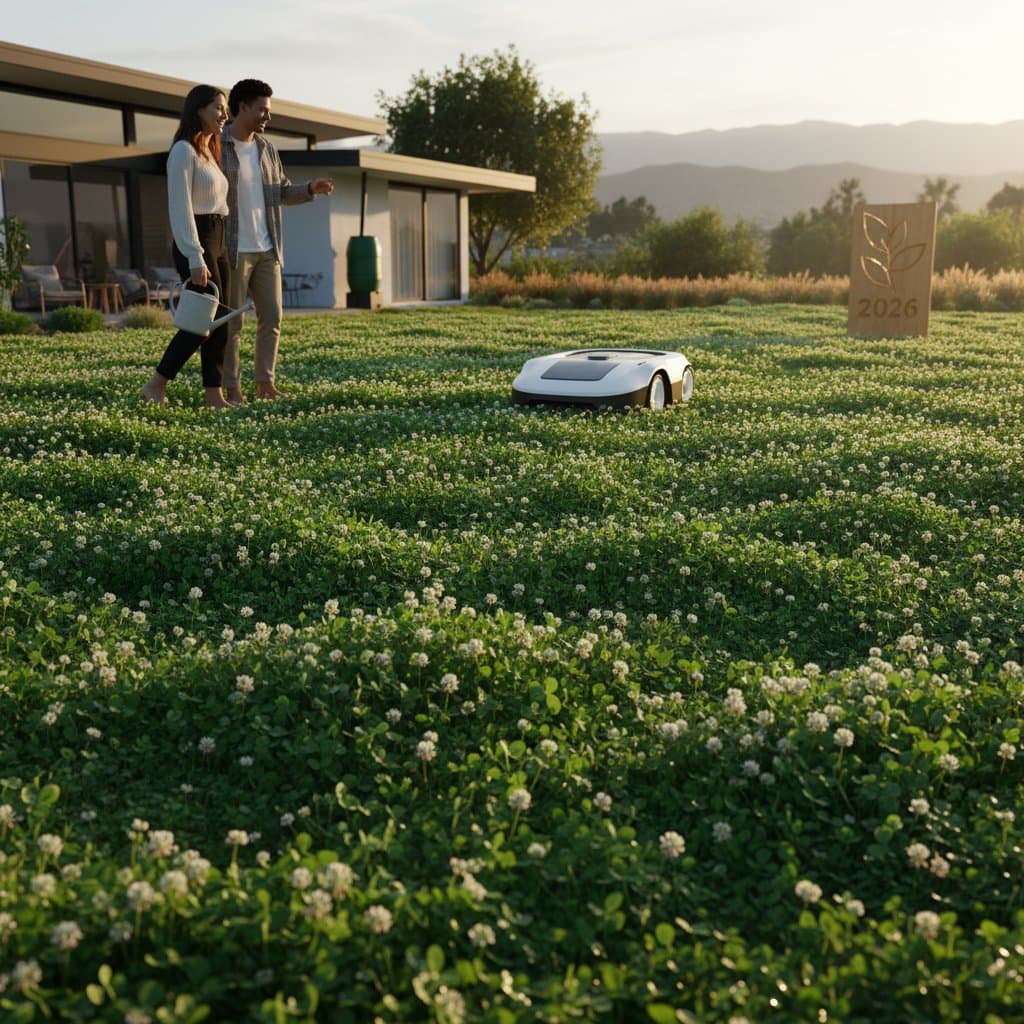
Clover Lawns: The Sustainable Alternative Surpassing Grass by 2026
California homeowners seek ways to maintain attractive yards amid growing water restrictions and environmental concerns. Clover lawns emerge as a practical solution, offering dense, vibrant coverage that requires far less irrigation than traditional turf. This shift not only conserves resources but also creates inviting spaces with reduced upkeep demands.
Homeowners report that clover establishes quickly and maintains its appeal through seasonal changes. Unlike grass, which often browns during dry periods, clover retains its color with infrequent watering. By 2026, experts predict widespread adoption as communities prioritize water-efficient landscaping.
Reasons Homeowners Choose Clover Over Grass
Grass lawns consume substantial water, often accounting for up to 30 percent of household usage in arid regions like California. They also rely on fertilizers and pesticides that harm local ecosystems. Clover addresses these issues directly by fixing nitrogen from the air, which nourishes the soil without added inputs.
In coastal and inland areas alike, clover performs reliably under varying conditions. It withstands heat and drought better than many grass varieties, staying green with just one inch of water per week once rooted. This resilience aligns with state initiatives to reduce urban water demand, making clover a forward-thinking choice.
Distinct Advantages of Clover Lawns
Clover provides multiple benefits that enhance yard functionality and appeal. These features make it suitable for both small residential plots and larger properties.
-
Natural Soil Enrichment
Clover hosts bacteria in its roots that convert atmospheric nitrogen into a form plants can use. This process builds soil fertility over seasons, benefiting adjacent gardens and eliminating the need for commercial fertilizers, which can leach into waterways. -
Superior Drought Resistance
With roots extending up to two feet deep, clover draws water from lower soil layers. During California's dry summers, it requires half the irrigation of Kentucky bluegrass, preserving green coverage without supplemental watering. -
Pleasant Sensory Experience
The fine, rounded leaves of clover form a soft mat ideal for lounging or recreation. It remains cooler than grass in direct sun, providing comfort during outdoor activities. -
Minimal Upkeep Requirements
Clover grows to a height of six inches before needing a trim, allowing mowing every two to three weeks. This slow, uniform growth reduces equipment use and fuel consumption. -
Built-In Pest Defense
Clover's dense growth discourages weeds and repels common insects like grubs. It supports predatory insects that control pests naturally, avoiding the cycle of chemical applications. -
Support for Local Wildlife
Delicate flowers draw honeybees and other pollinators essential for food production. This biodiversity boost strengthens garden ecosystems and aids nearby fruit trees or vegetables.
Selecting an Appropriate Clover Variety
Success with clover depends on matching the type to local conditions. Microclover, with its petite leaves under one centimeter, suits formal lawns and mixes seamlessly with existing fescue or ryegrass. It produces fewer flowers, maintaining a tidy appearance while suppressing weeds effectively.
Dutch white clover offers robust coverage for informal settings, spreading via stolons to fill gaps rapidly. It tolerates moderate shade and foot traffic, making it versatile for play areas. For hybrid approaches, combine 70 percent microclover with 30 percent drought-tolerant grass seeds to achieve a balanced, textured look.
Soil testing helps refine choices; clover thrives in pH levels from 6.0 to 7.0. Consult local extension services for region-specific recommendations to ensure optimal establishment.
Steps to Install a Clover Lawn
Converting an existing yard to clover involves preparation to promote strong growth. Plan for spring or fall seeding when temperatures range between 50 and 85 degrees Fahrenheit.
-
Remove Current Vegetation
Mow grass short, then cover the area with cardboard or black plastic for four to six weeks to smother roots. This method avoids herbicides and prepares a weed-free base. -
Amend the Soil Base
Test for drainage and pH, adding lime if acidic. Loosen the top four inches of soil with a rake or tiller to create a receptive seedbed. -
Distribute Seeds Uniformly
Use five to ten pounds of seed per 1,000 square feet, scattering by hand for small areas or a broadcast spreader for larger ones. Press seeds lightly into the soil without burying them deeply. -
Initiate Watering Routine
Apply a fine mist daily for the first two weeks to keep soil damp. Germination occurs in seven to fourteen days; then, water deeply but infrequently to encourage root development. -
Maintain Initial Growth
Once plants reach three inches, mow to two inches to stimulate lateral spreading. Avoid traffic on the area for the first month.
Maintaining and Maximizing a Clover Lawn
Established clover demands little intervention, freeing time for enjoyment. Water only during prolonged dry spells, aiming for one-half inch weekly. Overseed thin spots annually in fall to sustain density.
The surface handles pet activity and light play without compacting. If flowers appear excessively, a higher mowing height encourages foliage over blooms. Over years, clover improves soil aeration, preventing runoff and supporting healthier landscapes.
Integration with hardscapes enhances usability; edge beds with stone to define the clover zone. This setup creates cohesive, low-effort outdoor environments.
Realizing Long-Term Gains from Clover
Adopting clover yields ongoing savings and environmental contributions. Annual water bills drop by 50 percent or more, while maintenance costs plummet without fertilizer purchases. The result is a durable yard that evolves with minimal effort, embodying efficient, eco-conscious living in California.