
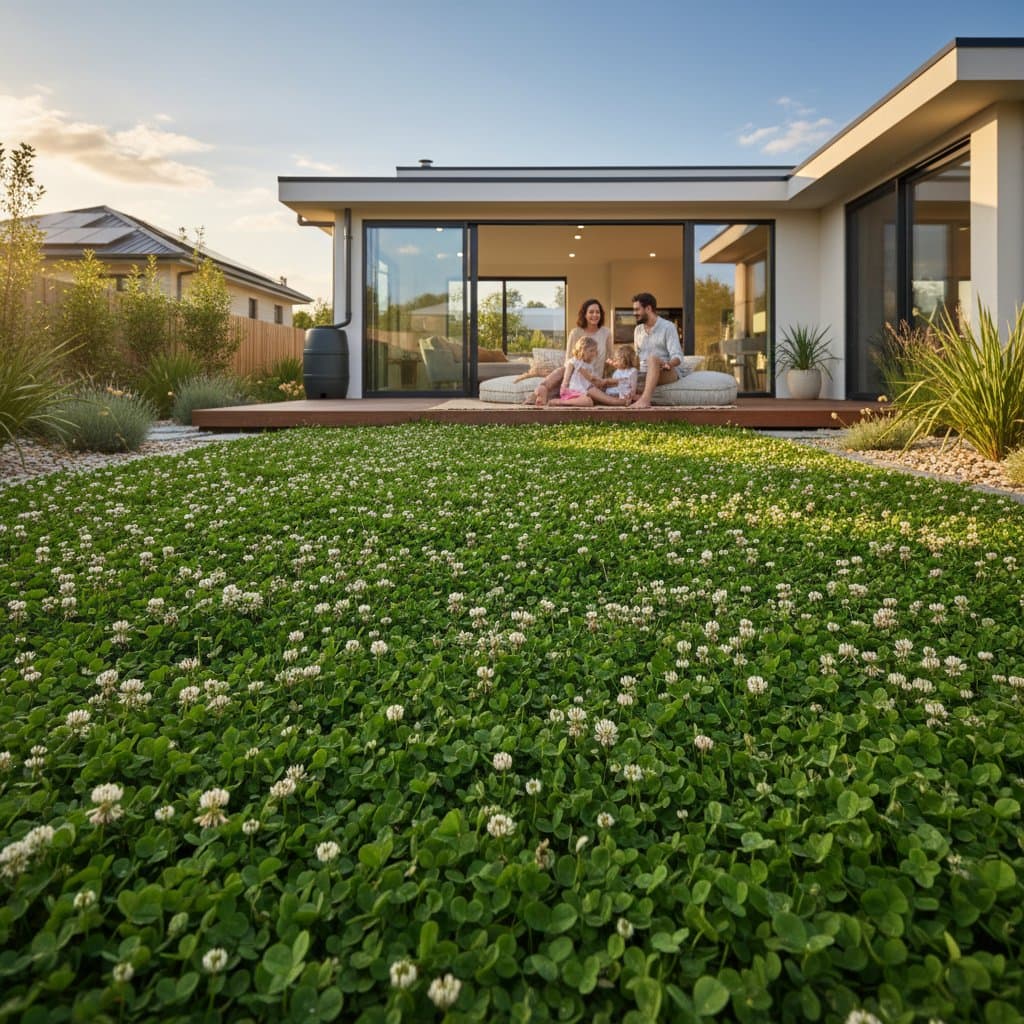
The Rise of Clover Lawns: A 300% Surge in Sustainable Greenery
Clover, once dismissed as a mere weed, now serves as a preferred choice for eco-conscious landscapes. Homeowners and professionals alike install white clover and microclover varieties to replace conventional turf grass. These lawns deliver softness underfoot, eliminate mowing requirements, and maintain vibrant green hues even in arid conditions. This shift allows individuals to reduce upkeep while contributing to environmental sustainability.
Key Features at a Glance
- Suitable Locations: Adapts to various settings, from urban patios to rural fields.
- Scalable Sizes: Fits compact backyards or large estates.
- Ideal Climates: Thrives in temperate zones with moderate temperatures.
- Primary Objectives: Develop durable, water-saving ground cover that minimizes labor.
1. Assess Your Site and Select the Right Clover Variety
Evaluate sunlight exposure, soil type, and foot traffic before starting. White clover suits open, sunny areas with moderate use, while microclover excels in shaded spots or high-traffic zones due to its finer leaves and denser growth. Test soil pH, aiming for 6.0 to 7.0, as clover tolerates a range but flourishes in neutral conditions.
A landscape architect notes: "Choosing the appropriate variety ensures long-term success and aligns with your yard's unique demands."
Practical Advantage: Proper selection prevents establishment failures and promotes uniform coverage.
Aesthetic Consideration: Microclover provides a manicured appearance without the need for trimming.
Real-World Application: In a sunny suburban yard, white clover creates a playful, resilient play area for children.
2. Prepare the Soil for Optimal Growth
Clover thrives in well-drained soil with neutral pH levels. It tolerates poor conditions, yet optimal performance requires initial preparation. Loosen the top 4 to 6 inches of soil, remove rocks and debris, and eliminate existing weeds to prevent competition.
Incorporate 1 to 2 inches of compost to enhance organic content and structure. A horticulturist advises: "Clover fixes its own nitrogen, but strong soil preparation supports deeper roots and better drought resistance."
Practical Advantage: Enhanced drainage minimizes root rot and facilitates even root expansion.
Aesthetic Consideration: A level surface promotes consistent germination, resulting in a seamless green carpet.
Real-World Application: After tilling a compacted front lawn, adding compost leads to full coverage within one season.
3. Plant Seeds or Sod for Quick Establishment
Broadcast seeds at a rate of 4 to 8 ounces per 1,000 square feet in spring or fall, when soil temperatures reach 50 degrees Fahrenheit. Lightly rake seeds into the soil and roll for good contact. For faster results, lay sod pieces in a staggered pattern, pressing firmly to eliminate air pockets.
Keep the area moist for the first two weeks to encourage germination. A gardener shares: "Seeding costs less but requires patience; sod delivers instant gratification with proper care."
Practical Advantage: Direct seeding integrates clover naturally, while sod provides immediate erosion control.
Aesthetic Consideration: Staggered planting avoids visible lines, blending seamlessly with surrounding landscapes.
Real-World Application: A homeowner seeds a 500-square-foot backyard in early spring, achieving a thick stand by midsummer.
4. Water Strategically During the Initial Phase
Provide consistent moisture during the sprouting period, applying 1 inch of water per week through light, daily sessions. As roots develop over 4 to 6 weeks, reduce frequency to build drought tolerance. Established clover relies primarily on natural rainfall.
Avoid overwatering to prevent fungal issues. A designer comments: "Strategic irrigation in the beginning sets the stage for a lawn that demands little attention later."
Practical Advantage: Reduced water consumption lowers costs and aligns with sustainable practices.
Aesthetic Consideration: Gentle watering maintains seed placement and prevents soil erosion.
Real-World Application: Along a pathway, microclover establishes with bi-weekly soaks, then thrives unaided through dry months.
5. Control Weeds and Pests Without Chemicals
Hand-pull aggressive weeds during the first year to allow clover dominance. Mulch lightly around edges to suppress intruders. Clover's dense growth naturally outcompetes many pests, reducing the need for interventions.
Introduce beneficial insects if aphids appear. An expert suggests: "Integrated management keeps the lawn healthy without harming the ecosystem."
Practical Advantage: Chemical-free methods preserve soil microbiology and pollinator safety.
Aesthetic Consideration: Early weeding ensures a tidy, uniform appearance from the outset.
Real-World Application: In a vegetable garden border, clover crowds out dandelions, maintaining a clean edge naturally.
6. Foster Pollinators and Enhance Biodiversity
Clover's delicate flowers draw bees, butterflies, and other pollinators, enriching the garden ecosystem. Opt for microclover in bee-sensitive areas, as it produces fewer blooms and remains low-growing.
Integrate with companion plants for added diversity. A designer observes: "This approach turns a simple lawn into a vibrant habitat that supports local wildlife."
Practical Advantage: Pollinators boost nearby crop yields and garden productivity.
Aesthetic Consideration: Pair with natives like echinacea for contrasting textures and colors.
Real-World Application: A mixed clover and wildflower meadow in a front yard attracts butterflies, creating a dynamic focal point.
7. Maintain Through the Seasons with Minimal Effort
In temperate regions, clover stays green year-round with occasional spring overseeding to fill thin spots. Trim edges with shears if growth encroaches on paths, but skip routine mowing.
Monitor for nutrient imbalances and add organic matter sparingly. A specialist states: "Clover rewards hands-off care by self-regulating its growth and health."
Practical Advantage: Forgoing chemicals protects waterways and soil vitality.
Aesthetic Consideration: Embrace subtle seasonal shifts for an organic, evolving landscape.
Real-World Application: In cooler climates, clover greens up reliably after winter dormancy with natural spring rains.
8. Integrate Clover into Broader Landscape Designs
Use clover as a base layer for patios, borders, or under trees where grass struggles. Combine with gravel paths or raised beds for functional zoning.
This versatility enhances usability. A professional notes: "Clover grounds the design, providing a soft transition between hardscapes and plantings."
Practical Advantage: It fills awkward spaces efficiently, reducing bare soil exposure.
Aesthetic Consideration: Its fine texture complements bold elements like boulders or sculptures.
Real-World Application: A terraced hillside features clover terraces that prevent erosion while offering seating nooks.
9. Monitor Long-Term Health and Adjust as Needed
Observe growth patterns annually, addressing shade increases or soil compaction promptly. Aerate if traffic compacts the surface, and reseed worn areas.
Regular assessment ensures longevity. An advisor recommends: "Proactive tweaks keep the lawn performing at its best over years."
Practical Advantage: Timely adjustments extend the lifespan and reduce replacement costs.
Aesthetic Consideration: Consistent monitoring maintains the intended visual harmony.
Real-World Application: After heavy use, a family lawn receives targeted overseeding to restore fullness.
10. Enjoy the Sensory and Sustainable Rewards
Clover lawns provide a cool, inviting surface ideal for relaxation and recreation. Their fresh scent after rain and gentle sway in wind add sensory delight.
This choice promotes well-being. A designer reflects: "Such spaces encourage mindful outdoor living, blending comfort with ecological benefits."
Practical Advantage: Durability suits family activities without wear.
Aesthetic Consideration: Coordinate with natural furnishings for cohesive outdoor rooms.
Real-World Application: A clover-enclosed patio hosts gatherings on resilient, comfortable ground.
Sustaining Your Clover Lawn Over Time
Established clover demands occasional edge trimming, biennial overseeding, and supplemental water only during extreme dry periods. This routine frees weekends for enjoyment rather than chores.
Homeowners report transformed yards that foster family connections and reduce stress. Professionals value clover for its client-pleasing blend of aesthetics and ecology.
Adopting clover signifies a commitment to harmonious landscapes. It creates inviting, resilient outdoor environments where nature and daily life coexist effortlessly.