
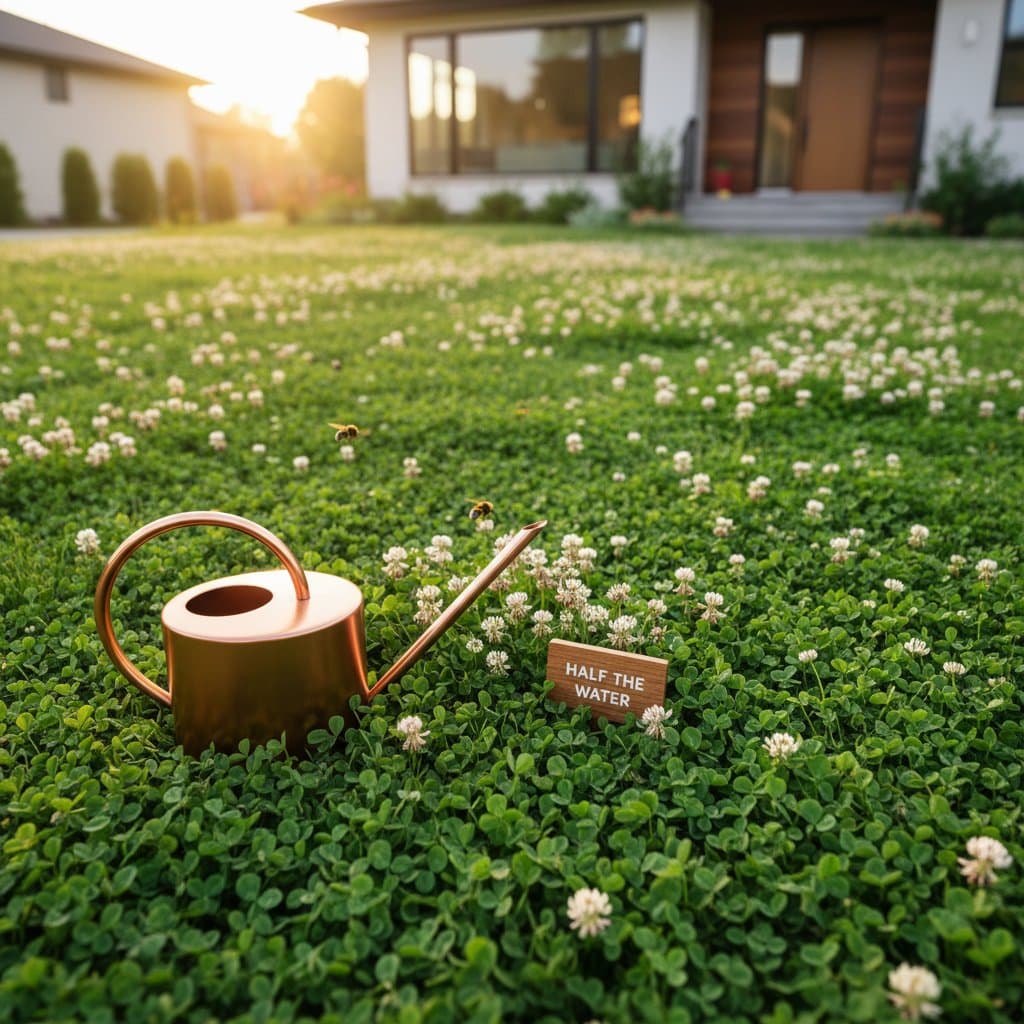
Clover Lawns: A Simple Switch to Sustainable Greenery
A lush green lawn signals a well-kept home for countless homeowners. Traditional grass, however, requires heavy watering, frequent fertilizing, and constant upkeep. In water-conscious areas like California, many turn to clover lawns, which provide vibrant color, a soft walking surface, and pollinator support with far less effort. This option balances beauty and sustainability without the usual demands.
Key Advantages of Clover Over Traditional Turf
Clover offers a rich green color that stays vibrant through dry spells and resists typical lawn pests. Its strength comes from natural properties as a legume plant. Clover captures nitrogen from the air through root nodules and converts it into soil nutrients, which supports growth without added fertilizers.
Unlike grass, which needs regular cuts and deep watering, clover thrives in lean soils, handles foot traffic well, and recovers quickly from wear. Homeowners who value both environmental impact and curb appeal discover that clover provides an effective compromise. It maintains a tidy appearance while cutting down on routine chores.
Environmental Advantages
Water shortages challenge many regions, including California, where residential lawns account for a major portion of household water use. Clover lawns require about half the irrigation of standard grass. Once established, they hold their green look with occasional watering, even during prolonged dry weather.
The plant's small white or pink flowers attract bees, butterflies, and beneficial insects, increasing yard biodiversity. Homeowners often enjoy watching pollinators thrive in their outdoor areas. If bees concern you, mow before flowers fully open to limit blooming and keep the lawn neat.
Clover also skips the need for synthetic fertilizers and weed killers, which lowers pollution risks to groundwater and local streams. This cleaner approach proves safer for families with young children or pets who play outside regularly.
Choosing the Right Clover Types
Several clover varieties work well for lawns, each with distinct growth patterns and appearances. White clover and microclover stand out as top choices.
- White clover (Trifolium repens) acts as the go-to variety. It produces bright green leaves and small white flowers. The plant grows to about six inches tall, but regular mowing keeps it at a manicured height.
- Microclover, a smaller version of white clover bred specifically for lawns, features tiny leaves that blend smoothly, even with existing grass. It forms a dense mat that blocks weeds and withstands light to moderate use.
For a uniform look with fewer flowers, plant microclover alone. In mixed lawns, combine it with fescue or Kentucky bluegrass to merge clover's resilience with the texture of traditional turf.
Preparing Your Site for Success
Clover takes root best when seeds touch soil directly, so thorough preparation matters. These steps usually take one weekend to complete.
- Clear out old growth. Remove existing grass, weeds, and debris. Use a sod cutter for full lawn replacement or try solarization by covering the area with clear plastic for several weeks to kill vegetation.
- Aerate the ground. Clover germinates well in loosened soil. Rake or lightly till the top few inches and break apart large clumps.
- Test and adjust soil. Clover prefers a pH between 6.0 and 7.0, slightly acidic to neutral. Run a soil test kit and add lime if the pH falls too low, or incorporate compost for better drainage.
- Sow seeds evenly. Broadcast them by hand for small areas or use a spreader for larger ones, aiming for 2 to 4 ounces per 1,000 square feet. Rake lightly to cover seeds with a thin soil layer.
- Water gently. Keep the soil consistently moist but not soggy until sprouts appear, typically in 7 to 10 days. Reduce frequency as plants establish.
Clover grows fast, sending out runners that fill in gaps and create a thick cover over time.
Everyday Care for a Thriving Clover Lawn
Clover needs minimal attention, but a few habits keep it looking its best.
- Mowing: Cut every two to three weeks to encourage even growth and reduce flowers if desired. Set the blade one-half inch higher than for grass to avoid stressing the plants.
- Watering: After the first year, water only during severe dry spells, about once every two weeks. Deep roots help it stay green when grass turns brown.
- Weed management: A dense clover patch naturally suppresses most weeds. Hand-pull any stragglers or spot-treat with a diluted vinegar spray for organic control.
- Fertilizing: Skip store-bought options entirely. The plant's nitrogen-fixing ability nourishes the soil and benefits nearby plants.
Clover repairs itself with ease. Thin spots fill in naturally, and high-traffic areas bounce back without extra help. This durability fits busy families, playful pets, and outdoor events.
Blending Clover into Your Yard Design
Use clover as a full lawn replacement or as part of a larger landscape. In California's dry climate, pair it with drought-tolerant natives and perennials for a cohesive look.
- Define pathways: Edge walkways with gravel or stepping stones to contrast the clover's soft green. This setup adds visual interest and guides foot traffic.
- Set borders: Line edges with low stone walls or metal strips to contain growth and separate clover from patios or driveways.
- Add companions: Surround patches with pollinator-friendly plants like lavender, yarrow, or salvia to extend habitat support.
- Create lounging spots: Mix in wooden benches or gravel seating areas. Clover's cushioned feel encourages barefoot relaxation.
These combinations turn a basic yard into a functional, inviting space that supports both people and wildlife.
Costs and Long-Term Value
Starting a clover lawn costs less upfront, with seeds running about half the price of sodding grass. Savings grow over time through reduced water bills, no fertilizer purchases, and fewer mowing sessions, which can add up to hundreds of dollars yearly. Healthier soil builds up gradually, improving overall yard resilience.
The plant's endurance cuts future repairs. It thickens rather than thins out like grass under stress. For practical homeowners, this means a dependable green space with ongoing low costs.
Getting Started with Your Clover Lawn
Transitioning to clover supports eco-friendly living while simplifying yard care. It reflects thoughtful management of outdoor spaces, merging beauty with low impact. Start small by seeding a test patch to see how it performs in your conditions. Most people expand after experiencing the ease and appeal firsthand.
A clover lawn aligns your yard with natural rhythms. Routine tasks give way to effortless growth. The result stands as a vibrant, welcoming area built on simple, effective choices that suit modern lifestyles.