
Why Clover Lawns Outperform Grass in Drought-Prone Regions
Traditional grass lawns dominate suburban landscapes, yet they often struggle in areas plagued by water shortages. Clover lawns present a compelling alternative, thriving where grass falters due to their inherent resilience and efficiency. This shift not only conserves precious resources but also enhances the overall health of your outdoor space.
Homeowners in drought-prone regions face increasing challenges from erratic rainfall and strict water restrictions. Clover adapts seamlessly to these conditions, requiring minimal irrigation to maintain its vibrant appearance. By choosing clover, individuals contribute to broader environmental goals while enjoying practical benefits in their daily lives.
The Basics of Clover as a Lawn Alternative
Clover belongs to the legume family, known for its nitrogen-fixing properties that enrich the soil naturally. Unlike grass, which demands synthetic fertilizers to sustain growth, clover draws nitrogen from the atmosphere through symbiotic bacteria in its roots. This process reduces the need for external inputs and promotes long-term soil fertility.
Several varieties suit lawn applications, including white clover and microclover, each offering dense coverage without the invasiveness of weeds. These plants form a tight mat that resists foot traffic while staying low to the ground. Gardeners appreciate how clover integrates easily into existing yards, blending with ornamental features for a cohesive look.
In drought-prone settings, clover's deep root system accesses moisture efficiently, allowing it to endure dry spells better than shallow-rooted grasses. This adaptability makes it ideal for regions like the American Southwest or Mediterranean climates, where water conservation ranks as a priority. Selecting the right clover type ensures optimal performance tailored to local conditions.
Superior Water Efficiency Compared to Grass
Grass lawns consume vast amounts of water, often accounting for up to 30 percent of household usage in arid areas. Clover, by contrast, requires half the irrigation or less once established, thanks to its ability to fix nitrogen and tolerate partial shade. This efficiency translates to lower water bills and reduced strain on municipal supplies.
During peak summer heat, grass turns brown and dormant without consistent watering, leading to patchy, unattractive yards. Clover remains green longer under similar stress, providing year-round visual appeal with sporadic deep watering sessions. Experts recommend applying one inch of water every two weeks for clover, a schedule that grass cannot match without daily sprinklers.
Communities enforcing water rationing find clover lawns particularly advantageous. They comply with regulations effortlessly while maintaining a manicured aesthetic. Over time, the savings accumulate, allowing homeowners to redirect funds toward other landscaping enhancements.
Reduced Maintenance Demands
Mowing represents one of the most time-consuming aspects of grass care, especially in larger yards. Clover grows slowly, often eliminating the need for weekly cuts and reducing fuel consumption from lawn equipment. A single trim every few weeks suffices to keep it tidy, freeing up weekends for leisure activities.
Fertilizer applications plague grass owners, as nutrient deficiencies cause yellowing and thinning. Clover sidesteps this issue through its self-fertilizing mechanism, minimizing chemical runoff into waterways. Pest control also simplifies, since clover repels common lawn invaders like grubs without relying on harsh pesticides.
Weed management shifts dramatically with clover. Its dense growth smothers unwanted plants, creating a natural barrier that requires little intervention. Occasional hand-pulling handles any stragglers, a far cry from the herbicide battles faced by grass enthusiasts.
Enhancing Soil Health and Supporting Pollinators
Healthy soil forms the foundation of any thriving landscape, and clover excels at building it. The plant's roots prevent erosion in sloped areas common to drought regions, while decomposing matter adds organic content over time. This improvement leads to better water retention, further aiding drought resistance.
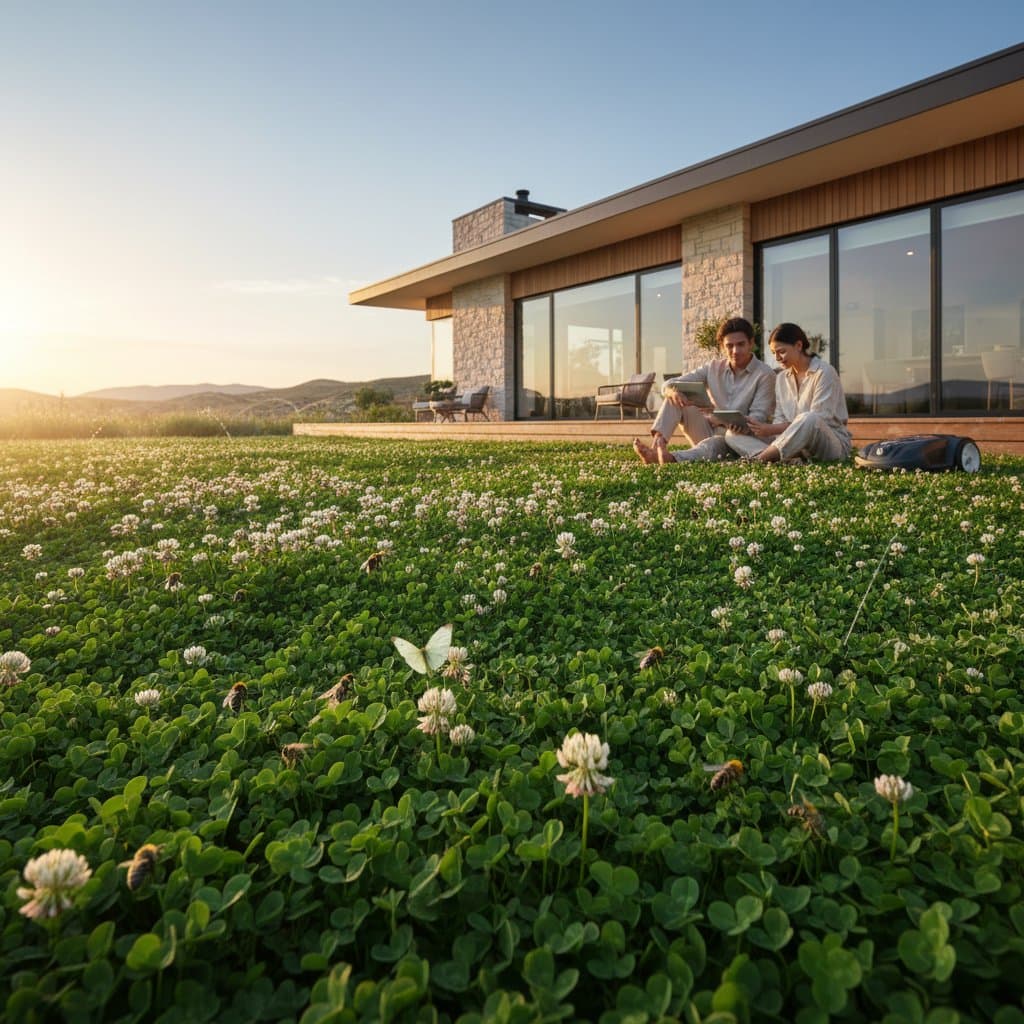
Pollinators such as bees and butterflies flock to clover's tiny flowers, boosting local biodiversity. In an era of declining insect populations, this support proves vital for food production and ecosystem stability. Yards with clover become havens for wildlife, attracting birds that control pests naturally.
Unlike monoculture grass, which offers scant nutritional value to fauna, clover diversifies the habitat. Homeowners observe increased activity from beneficial insects, contributing to a balanced garden ecosystem. These interactions enhance the yard's role in supporting regional environmental health.
Aesthetic and Functional Advantages
Clover delivers a soft, lush texture underfoot, ideal for barefoot play or pet areas. Its fine leaves create a velvety surface that feels inviting compared to the coarser blades of grass. This comfort factor elevates outdoor living spaces, encouraging more time spent in the yard.
Curb appeal rises with clover's consistent green hue, even in low-fertility soils. It pairs well with flowers and shrubs, forming borders that accentuate garden designs. In drought-prone neighborhoods, clover stands out as a modern, eco-conscious choice that impresses visitors and appraisers alike.
Functionally, clover tolerates shade better than many grasses, thriving under trees or near buildings. This versatility suits varied yard layouts, from sunny expanses to partially shaded corners. The result is a uniform lawn that requires no zoning or special treatments.
Steps to Convert Your Yard to Clover
Assess your current lawn to identify problem areas where grass struggles most. Test soil pH, aiming for a neutral range of 6.0 to 7.0, as clover prefers slightly acidic to neutral conditions. Amend with lime if necessary to prepare the ground for seeding.
- Remove existing grass through solarization or manual tilling to clear the site thoroughly.
- Broadcast clover seeds at a rate of two to four pounds per 1,000 square feet, mixing with sand for even distribution.
- Rake lightly to cover seeds with a thin layer of soil, then water gently to initiate germination, which occurs in seven to 14 days.
- Avoid mowing until plants reach three inches in height, then maintain at two inches thereafter.
Overseeding works well for partial conversions, blending clover into thinning grass patches. Patience yields results, as full establishment takes one growing season. Monitor for the first year, providing supplemental water during extreme dry periods to encourage root development.
Realizing Long-Term Gains from Clover
Adopting a clover lawn yields immediate savings in water and effort, with compounding benefits for soil and wildlife. Homeowners report yards that withstand climate variability while demanding less attention. This approach aligns personal landscapes with sustainable practices that benefit communities.
The transition fosters a sense of accomplishment, as the yard evolves into a resilient, vibrant feature. Families enjoy spaces that promote relaxation and nature connection without the burdens of traditional upkeep. Ultimately, clover empowers individuals to create enduring, eco-friendly environments tailored to challenging conditions.