
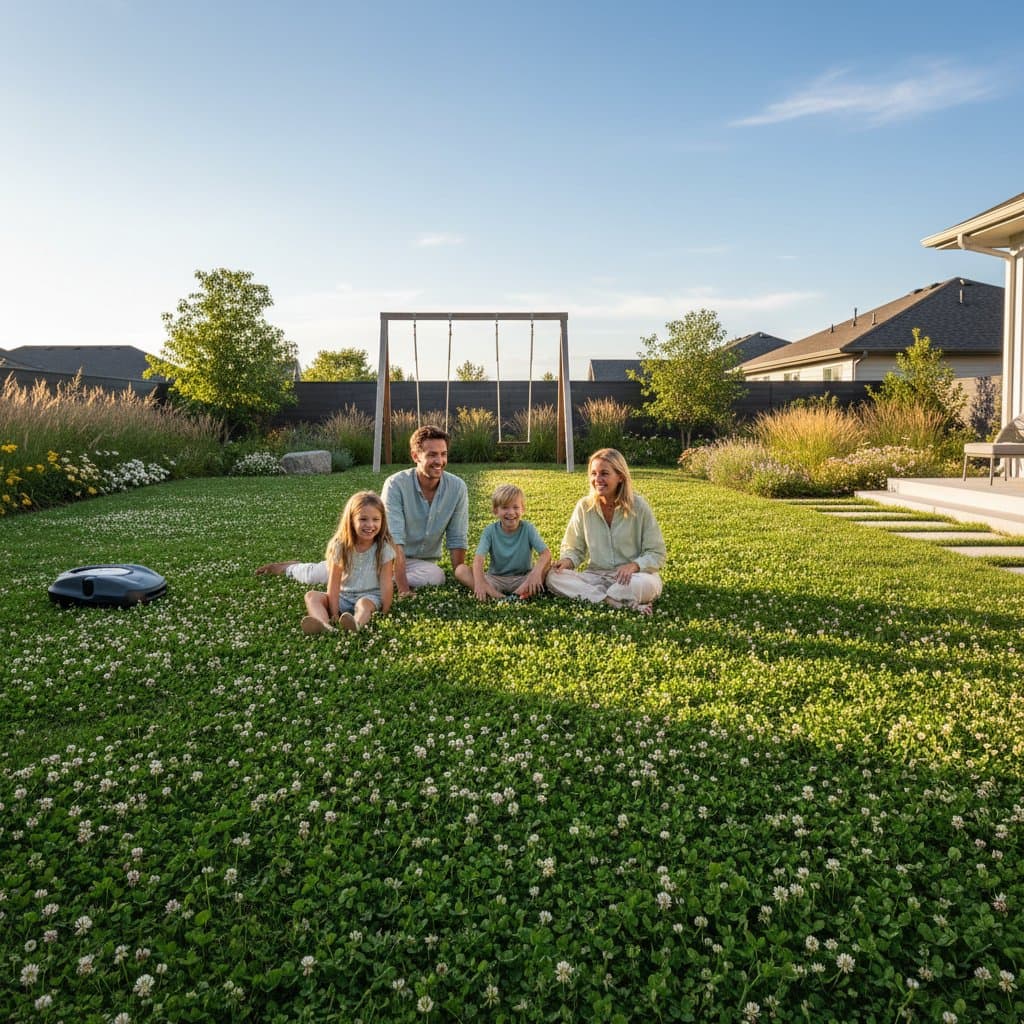
Reduce Mowing Time by 70 Percent with Clover Lawns This Season
Homeowners Mark and Lena sought a backyard upgrade that balanced visual appeal with reduced upkeep. Their traditional lawn demanded frequent mowing and watering, cutting into family time with young children who enjoyed outdoor play. They discovered clover lawns as an ideal solution, providing a soft, resilient surface that requires far less maintenance while enhancing the yard's natural beauty.
Transitioning from Traditional Grass to Clover
The couple's fescue lawn faltered during dry periods and needed weekly mowing to appear neat. They desired a sustainable alternative that preserved a soft ground cover without constant intervention. A landscape designer recommended a clover lawn mix, which flourishes with little care and maintains an attractive appearance year-round.
"Clover lawns offer significant advantages for busy households," states lead designer Hannah Ruiz. "They retain green color amid drought conditions, withstand regular foot traffic more effectively than anticipated, and enrich the soil through natural processes. Homeowners often express surprise at the substantial reduction in mowing frequency."
Key Factors in Clover Lawn Efficiency
Clover varieties grow to a mature height of approximately six inches, allowing for trimming only three to four times per growing season. In contrast, many turf grasses grow rapidly and require weekly maintenance to remain tidy. Switching to pure clover or a clover-grass blend typically cuts mowing needs by 60 to 70 percent.
This efficiency stems from clover's growth habit. The plants develop a compact mat of small leaves and slender stems that spread close to the soil surface. Rather than growing tall, clover expands sideways, filling spaces and suppressing weeds. This creates a uniform green expanse that requires minimal intervention to look polished.
Simple Maintenance Practices for Clover Lawns
Established clover lawns demand straightforward care to remain vibrant. Focus on these essential practices:
- Mowing: Trim the lawn three or four times each season to achieve a even appearance. Some prefer allowing a slightly taller growth for a meadow-like aesthetic.
- Watering: Apply deep, infrequent waterings to promote strong root development and sustain vivid color.
- Fertilizing: Clover captures nitrogen from the atmosphere and converts it into soil nutrients, eliminating the need for synthetic fertilizers.
- Weed Management: The dense growth pattern of clover limits space for invasives. Remove any stray weeds by hand as needed.
Mark and Lena found that these routines freed up their schedule, replacing lengthy lawn sessions with brief, monthly tasks and more opportunities for family recreation.
Aesthetic and Sensory Qualities
A well-established clover lawn offers a plush texture underfoot, inviting barefoot strolls across its fine surface. Microclover types feature petite leaves that produce a consistent green hue, adaptable to both sunny and shaded areas. During spring, delicate white blooms emerge, providing gentle contrast and drawing in pollinators like bees.
To enhance the design, install natural stone edging around planting beds to contain the clover and add definition. This rustic element complements the greenery while preventing spread into unwanted areas. Incorporate low-maintenance planters with lavender or sedum near patios for added vertical interest and subtle color.
Keep lighting understated with path lights along borders and solar-powered units in seating zones. These choices emphasize practicality, positioning the clover as the central, enduring feature of the landscape.
Installation Guide for a Successful Clover Lawn
Begin by preparing the site thoroughly. Clear existing vegetation, till the soil to a depth of four to six inches, and amend with compost if the ground lacks fertility. Choose a clover variety suited to your climate, such as white clover for temperate zones or microclover for finer texture.
Broadcast seeds evenly at a rate of two to four pounds per 1,000 square feet, then rake lightly to ensure soil contact. Water gently but consistently until germination, which occurs in seven to 14 days. Avoid foot traffic for the first six to eight weeks to allow roots to establish firmly.
For faster coverage, consider a clover-grass mix seeded over existing lawn in fall or spring. Overseeding requires less preparation and integrates gradually. Monitor progress and adjust watering based on local rainfall to achieve full density within one season.
Adaptability and Environmental Benefits
Clover lawns perform reliably across diverse settings, from partial shade to full sun and various soil types. Their nitrogen-fixing roots gradually improve soil quality, supporting adjacent garden plants. Unlike traditional grass, clover retains its green vitality longer during water shortages, ensuring a steady landscape appearance.
These lawns also bolster biodiversity. The blooms serve as nectar sources for bees and butterflies, while robust roots stabilize soil and minimize erosion. Reduced reliance on chemicals leads to purer water runoff and supports healthier local waterways.
For those sensitive to allergens, opt for microclover, which has smaller leaves and less frequent flowering. This variety minimizes pollen release compared to standard clovers, making it suitable for family yards.
Financial Considerations and Lasting Savings
The initial cost of a clover lawn installation equals about half that of premium turf sodding. Seeds remain affordable, and setup labor decreases due to simpler soil preparation. Long-term expenses drop further with savings on water, equipment fuel, and fertilizers.
According to Hannah's team, Mark and Lena now allocate only one-quarter of their former annual lawn budget. The yard sustains its lush look without excessive resource use, aligning with eco-conscious living.
Sustaining and Enjoying Your Clover Lawn
Several months post-installation, the clover continues to flourish under light care. It withstands play from children, holds its color steadily, and demands few interventions. This setup encourages more outdoor gatherings and relaxation.
Clover lawns provide a practical, attractive substitute for conventional turf. They dramatically lessen mowing demands, preserve water resources, and foster superior soil conditions, delivering enduring value for homeowners.