
Front Yard Edible Gardens: Slash Your Grocery Bills Now
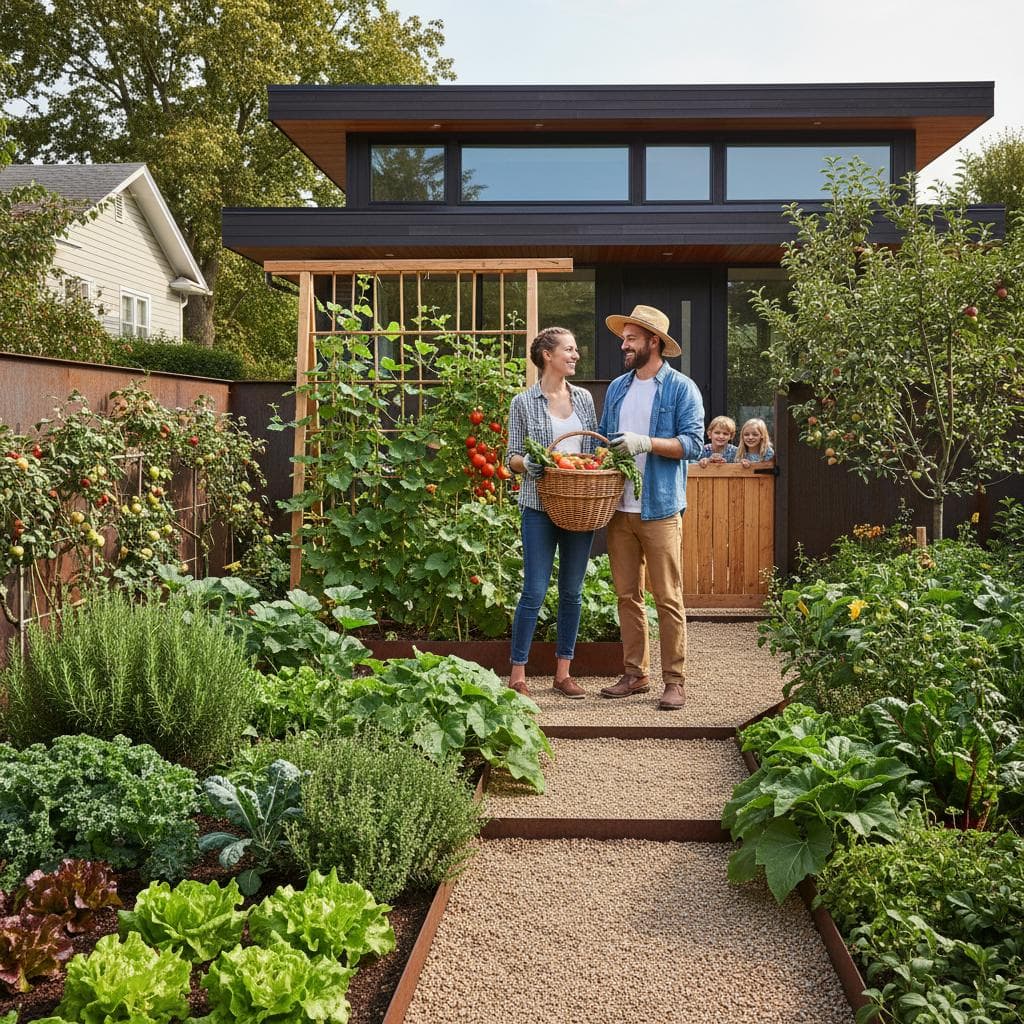
Mia and Daniel purchased their suburban home with a vision for a front yard that embodied sustainability, utility, and visual charm. They aimed to substitute the water-intensive lawn with a productive, low-effort alternative that enhanced appeal. Today, their front yard edible garden delivers a substantial portion of their fresh produce and draws engaging discussions from passing neighbors.
A Front Yard with Purpose
The initiative started with a fundamental inquiry: how might a front yard function as both a welcoming area and a productive garden? The design incorporates layered elements where aesthetic appeal aligns with practical benefits. Designers selected edible plants in place of decorative shrubs, thereby linking everyday routines to food cultivation.
The arrangement proceeds in a deliberate progression. Low-growing perennials and herbs establish a neat border closest to the street. Raised beds behind them accommodate rotating vegetable crops, and taller fruit-bearing shrubs offer structure along with privacy. This setup appears purposeful and inviting, avoiding a purely functional appearance.
Fruit and Foliage Layers
Dwarf apple trees serve as focal points in the yard's center. Strawberries beneath them act as a living ground cover, suppressing weeds while yielding berries across the growing season. Designers selected space-efficient varieties to ensure adequate light reaches lower plants and to keep views unobstructed toward the street.
Blueberry shrubs on one side create an informal hedge. Their foliage evolves from rich green to autumnal burgundy, providing year-round interest beyond harvest time. Lavender and yarrow interplanted among them draw beneficial pollinators and repel harmful insects, fostering a self-sustaining microhabitat.
Daniel noted, “We wanted every plant to earn its place. If it does not feed us or support the garden in some way, we find something else that will.”
Seasonal Flexibility
The planting strategy incorporates crop rotation and succession planting for consistent output. Fast-maturing salad greens fill spaces at the season's start, making way for warmth-tolerant varieties such as tomatoes and peppers. Evergreen herbs like oregano, sage, and chives persist through all seasons, ensuring steady availability amid vegetable transitions.
Mia observed, “We used to think of gardening as a back-yard activity. Now it is part of the rhythm of coming home. We pick lettuce on the way in from work or snip parsley for dinner without even thinking about it.”
To implement this, map your yard's sun patterns and select varieties suited to your growing zone. For example, in temperate climates, prioritize cool-season crops like spinach for fall and winter, then switch to basil and zucchini in summer. This approach maximizes yields while preventing soil nutrient depletion.
Living with Your Design
Post-installation, the couple has seen a marked reduction in produce-related grocery spending. Daily fresh herbs, rotating greens, berries, and vegetables now form the core of their meals. Beyond finances, the garden redefines their front yard as a social hub, where they converse with neighbors, distribute surplus crops, and educate interested onlookers on edible designs.
Steps to Build Your Own Edible Front Yard
Begin modestly by dedicating a single edge or small bed to edible plants. Assess your local climate and soil type using a simple pH test kit, then choose compatible species; for instance, in acidic soils, opt for blueberries over citrus. Amend soil with organic compost to boost fertility without synthetic fertilizers.
Gradually incorporate structural elements like fruit trees and perennials for enduring framework. Install mulch layers to retain moisture and suppress weeds, and consider companion planting—pairing basil with tomatoes to enhance flavor and deter aphids. Monitor progress seasonally, adjusting based on yields and aesthetics.
An edible front yard extends beyond cost savings. It reimagines your home's entry as a testament to resourcefulness and environmental stewardship. Thoughtful execution delivers a landscape that rivals formal gardens in refinement, amplified by the satisfaction of each bountiful harvest.