
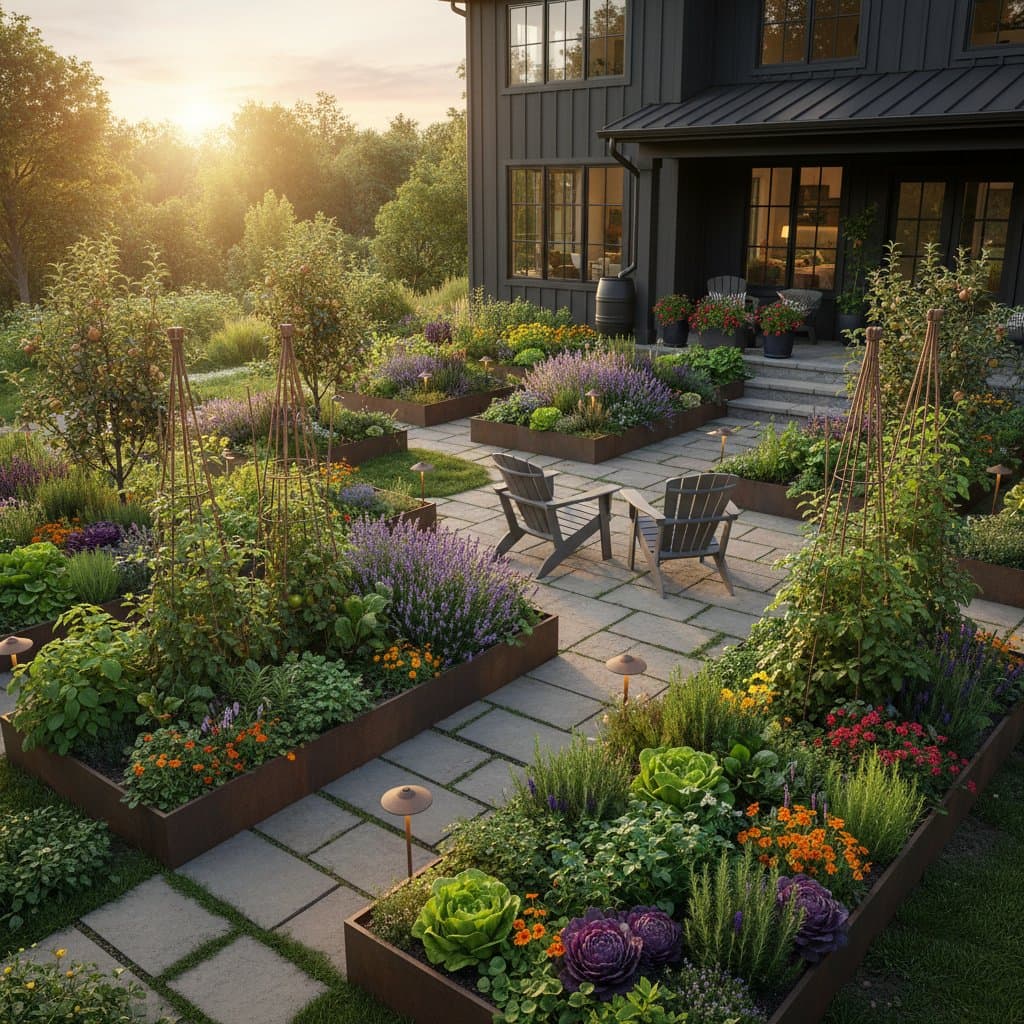
Front Yard Farms on the Rise: Achieving Edible Returns
Homeowners increasingly view front yards as opportunities for more than decoration. These spaces now serve as sources of fresh produce, reducing reliance on store-bought items and fostering a deeper connection to food origins. The trend reflects a broader shift toward sustainability, where beauty and utility coexist in everyday landscapes.
A 60 percent national surge in front yard farming highlights this change. Participants report not only lower food costs but also enhanced property values and neighborhood interactions. Such gardens transform routine outdoor areas into dynamic environments that support biodiversity and personal well-being.
Key Overview
Typical Locations: Urban, suburban, and rural neighborhoods in diverse climates
Common Sizes: 400 to 1,200 square feet, scalable to available space
Suitable Climates: From cool temperate zones to hot arid regions, with region-specific plant selections
Primary Objectives: Integrate visual elegance, ecological diversity, and homegrown food production in a prominent yard area
1. Establish Clear Planting Zones
Effective front yard farms rely on organized layouts that prevent visual clutter. Categorize plants by growth habits, such as height and seasonal yields, to maintain a sense of structure. For instance, position low-growing herbs like thyme and oregano along edges to create tidy borders, while erect vegetables such as tomatoes or corn provide height and focal points.
Designers emphasize that intentional zoning elevates an edible garden to the level of fine landscaping. One expert notes, “Structure prevents an edible garden from appearing chaotic. Defined zones convey deliberate design rather than random vegetable patches.”
Incorporate subtle pathways, such as those lined with gravel or stepping stones, to facilitate movement and expand the perceived size of the area. Arrange planting beds in gentle curves or diagonals to draw the eye across the yard, enhancing overall harmony.
Highlighted Feature: Brick or stone borders enclose raised beds brimming with vibrant leafy greens like kale and spinach, offering both containment and style.
2. Integrate Ornamentals and Edibles Seamlessly
The hallmark of a thriving front yard farm lies in harmonizing practical crops with decorative elements. Pair fruit-bearing shrubs, including blueberries or serviceberries, with pollinator-friendly perennials such as echinacea or salvia. This combination ensures year-round visual interest while supporting garden health.
Companion planting techniques amplify these benefits. Position marigolds alongside tomatoes to repel nematodes, and plant nasturtiums near brassicas to deter aphids. Such strategies not only bolster plant vigor but also create layered textures that captivate passersby.
A horticulture specialist observes, “Integrating food plants with ornamentals makes the garden feel integrated into the community fabric, rather than isolated.”
Consider seasonal rotations: in spring, sow cool-season lettuces amid blooming tulips; in summer, transition to heat-tolerant peppers encircled by lavender. This approach sustains productivity and aesthetics through changing weather.
Highlighted Feature: Vibrant purple basil intermingles with coneflowers along a winding gravel path, attracting bees and adding color pops.
3. Incorporate Thoughtful Lighting Layers
Strategic illumination extends the functionality of front yard farms into the evening hours. Select fixtures emitting warm light at 2,700 Kelvin to softly accentuate foliage and pathways, avoiding harsh shadows. Install path lights along walkways for safe navigation and uplights beneath taller plants to showcase their forms.
This layered system enhances security while revealing subtle design elements invisible by day. For example, recessed downlights in fruit tree canopies create inviting glows that highlight ripening produce.
A landscape designer comments, “Layered lighting sustains the garden's vitality and safety, while uncovering intricate patterns overlooked in daylight.”
Opt for low-voltage LED options to minimize energy use and maintenance. Position solar-powered accents in peripheral beds to illuminate borders without wiring complications, ensuring the yard remains a serene extension of the home.
Highlighted Feature: Discreet low-voltage fixtures illuminate raised beds and meandering stepping stones, casting a gentle ambiance over the harvest-ready plants.
4. Select Resilient, Low-Maintenance Materials
Choosing hardy materials forms the foundation of enduring front yard farms. Employ corten steel for bed edging, which develops a protective rust patina over time, and decomposed granite for permeable paths that drain efficiently. Construct planters from cedar or recycled composites to withstand moisture and temperature fluctuations.
Apply organic mulch layers around plant bases to retain soil moisture, suppress weeds, and enrich the earth as it decomposes. Limit material varieties to three or four types, such as stone, wood, and gravel, for a cohesive appearance that simplifies upkeep.
These selections cut ongoing expenses and labor, allowing focus on cultivation rather than repairs. In rainy climates, elevate beds with gravel bases to prevent waterlogging; in dry areas, integrate drip irrigation lines beneath mulch for targeted watering.
Highlighted Feature: Weather-resistant corten steel edges crisp vegetable beds adjacent to a smooth gravel entry path, providing definition and durability.
Embracing the Rewards of Your Front Yard Farm
Adopting a front yard farm reshapes daily routines and interactions. Harvests in the morning sunlight supplant traditional lawn care, yielding ingredients for meals that taste of the soil. Neighbors often pause to inquire about varieties or share tips, fostering bonds over shared green interests.
The advantages extend far beyond immediate yields. These landscapes promote mindfulness of seasonal rhythms and reduce environmental footprints through local food production. Property appraisals frequently note the added value of such innovative designs, blending practicality with prestige.
Start small with a single raised bed of herbs and lettuces, then expand as confidence grows. Ultimately, a front yard farm nourishes the home, the community, and the earth, proving that beauty and bounty can flourish together in the most visible spaces.