
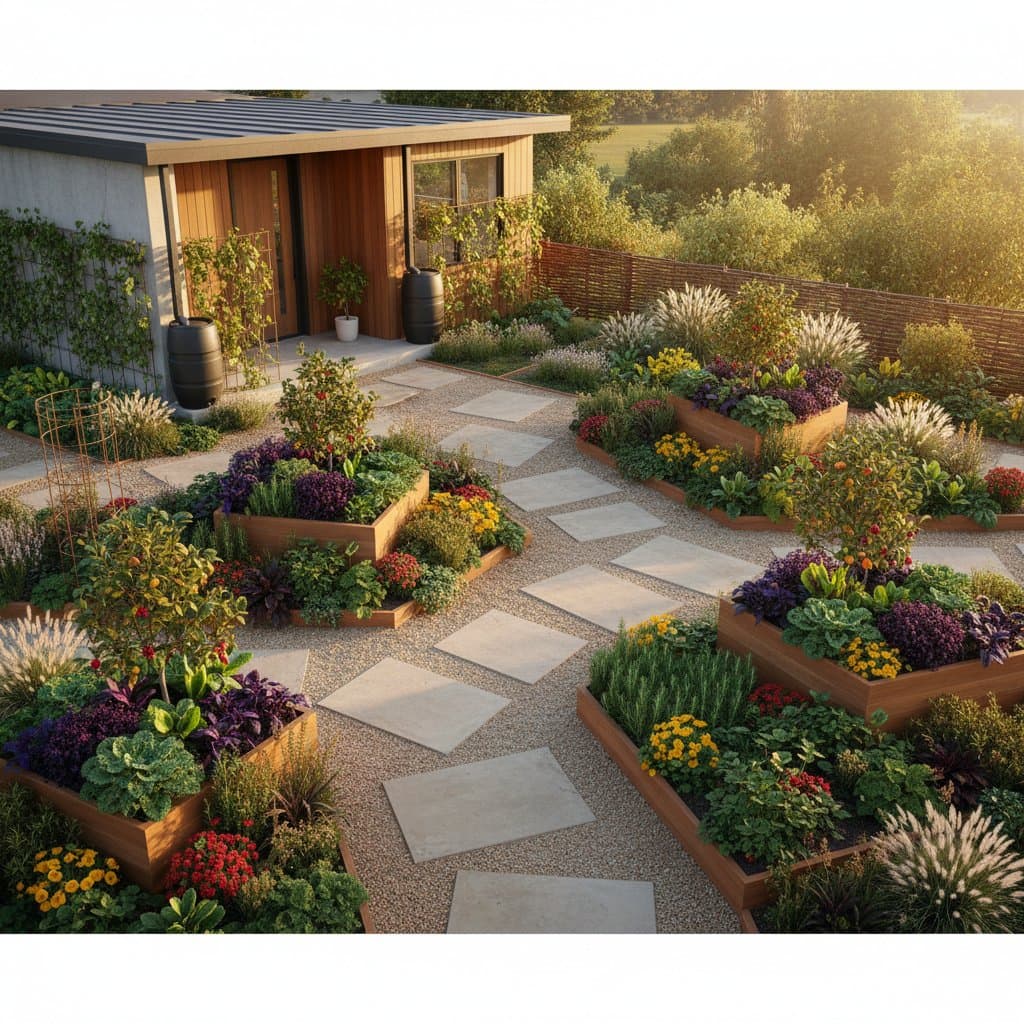
Grow Food in Your Front Yard: Eliminate the Boring Lawn
Picture yourself walking out the front door to gather fresh basil for dinner or pick ripe cherry tomatoes in place of mowing lifeless grass. Homeowners increasingly replace decorative lawns with edible landscapes that combine visual appeal and practical yields. Such a garden nourishes the family, draws pollinators, and upholds neighborhood expectations for attractiveness. Careful planning turns the space into a efficient, easy-care area that demonstrates style and practicality.
Reasons to Swap Grass for Edible Plants
Conventional lawns demand substantial water and fertilizers while offering minimal benefits. Edible gardens, however, repay investment with nourishment, scents, and hues across seasons. Gardeners in California appreciate drought-resistant edibles adapted to the Mediterranean climate. Arrange herbs, greens, and fruit producers in elegant formations that match traditional flower beds.
An edible front yard sparks discussions. It fosters neighborly interactions, teaches children about food origins, and instills a feeling of plenty in everyday routines. This move from decoration to utility aligns with trends in sustainability and independence, yet it often starts with the simple goal of superior meal ingredients.
Plan Your Front Yard Edible Garden
Successful gardens start with preparation. Observe the site before altering the grass: track sunlight patterns throughout the day, identify drainage spots, and map pedestrian routes. South-facing zones in California yards typically get ample sun, perfect for vegetables and herbs. Shaded areas accommodate greens or strawberries that favor milder conditions.
Step 1: Establish Your Aesthetic
Match the garden to your home's style and local surroundings. For a cottage residence, blend herbs, edible blooms, and compact fruit bushes in a relaxed arrangement. Modern homes benefit from precise raised beds or minimalist containers in metal or concrete. Aim for organized patterns that convey purpose over randomness.
Step 2: Prioritize Visibility and Accessibility
Position taller plants at the rear or against structures. Place shorter varieties along edges or walkways. Shape beds with curves or lines to accent the entrance, and install stepping stones or gravel for simple harvesting. Review homeowner association rules beforehand. Numerous groups endorse edible designs if they appear neat and tended.
Step 3: Account for Seasons
Schedule for ongoing production. Spring yields lettuce, peas, and radishes. Summer highlights tomatoes, peppers, and basil. Autumn features kale, carrots, and citrus. Crop rotation maintains soil vitality and keeps the yard vibrant annually. Include perennials such as rosemary, thyme, or blueberries to stabilize the layout and minimize annual replanting.
Select Thriving Plants
Plant selection balances form and function. Choose types suited to regional conditions, pest-resistant, and moderately watered. Consider these options for warm, arid areas.
- Mediterranean Herbs: Rosemary, lavender, oregano, and sage endure heat and dry spells, providing aroma and form. Shape them for tidy outlines.
- Leafy Greens: Chard, kale, and arugula mature fast and display striking leaves. Alternate red and green types for visual variety.
- Compact Fruit Producers: Tomatoes, peppers, and eggplants add vividness. Opt for bushy or container varieties to control size.
- Perennial Fruits: Strawberries, blueberries, and small citrus trees deliver consistent crops and enduring attractiveness.
- Edible Flowers: Nasturtium, calendula, and borage attract bees and enhance edges with color.
Blend textures, heights, and shades for an ornamental effect. Cluster plants by similar requirements for water and light, and apply mulch to conserve moisture and block weeds.
Develop Strong Soil and Efficient Watering
Vital soil underpins garden success. Front yard turf often compacts over time, requiring aeration prior to planting. Incorporate compost to enhance structure and nutrients. Conduct a soil test to check pH and deficiencies. For clay-heavy or sandy bases, construct raised beds with a blend of compost, topsoil, and sand for optimal results.
Drip irrigation systems prove effective and discreet under mulch layers. They target roots to cut waste and illness risks. Install weather-responsive timers to optimize schedules and conserve resources. Rain barrels capture runoff to supplement during shortages.
Add Structure for Lasting Appeal
Refine an edible setup to rival formal gardens through strategic elements. Implement these approaches for productivity and polish.
- Clear Edges: Border beds with stone, timber, or repurposed items to distinguish plant zones from paths or remaining grass.
- Height Elements: Erect trellises, arches, or trained fruit trees for dimension and cover. These maximize ground for low crops.
- Hue Harmony: Pair gray-green herbs with lush leaves, accented by vivid blooms or produce.
- Pots: Position elegant containers by the door for herbs or greens, ensuring convenience and sophistication.
- Illumination: Subtle lights outline routes and accents, prolonging usability after dark.
Unified planning earns approval. Tended, deliberate gardens typically receive favorable neighbor feedback.
Simplify Ongoing Care
Established edible front yards demand less effort. Establish routines that suit your schedule. Apply thick mulch to limit weeds. Automate hydration via drips. Select returning perennials or self-sowers to ease yearly tasks. Prune routinely to promote vigor and curb sprawl.
Maintain a compact compost unit for clippings and scraps. This cuts refuse and enriches soil organically. Address pests with gentle methods like manual removal or beneficial bugs first. Robust soil and diverse plantings deter issues progressively.
Embrace the Rewards of Your Edible Yard
As the garden matures, it enriches home life beyond meals. Daily checks on ripening tomatoes turn into cherished habits. Family members grasp growth cycles through hands-on involvement. Neighbors engage over your selections. The former barren lawn evolves into a dynamic, yielding haven for humans and wildlife alike.
Benefits extend further: lower water bills, fewer synthetics, and pollinator support. Connections to nature and locality deepen. Above all, the space pulses with vitality, individuality, and taste.
Cultivate edibles upfront for utility and elegance. Through initial strategy, thoughtful layout, and attention, the area sustains your needs while elevating property allure and worth. View that grass patch anew, envisioning it brimming with herbs, produce, and fruits.