
Front Yard Farms: A Path to Lower Grocery Bills and Sustainable Living
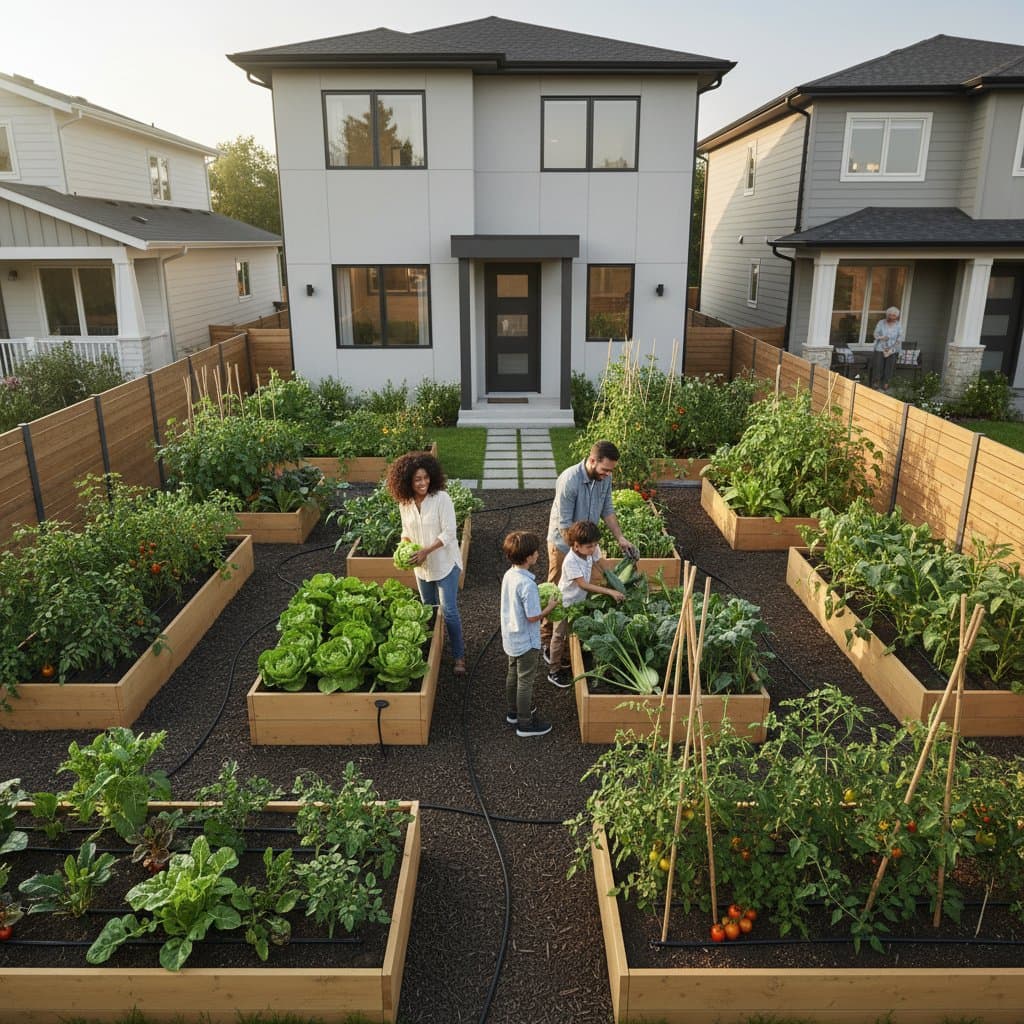
Many homeowners view their front yards as mere ornamental spaces, but a growing number are reimagining these areas as productive edible gardens. These front yard farms offer a practical way to reduce reliance on store-bought produce while enhancing property aesthetics. The Torres family provides a compelling example of this transformation, turning their suburban lawn into a vibrant, yield-producing landscape.
The journey began when the Torres family sought ways to cut household expenses amid rising food costs. They replaced their traditional grass lawn with raised beds filled with vegetables, herbs, and fruit-bearing plants. This shift not only lowered their grocery bills but also integrated sustainability into their daily lives.
The Torres Family's Transformation
In their modest front yard, the Torres family installed four raised beds measuring four feet by eight feet each, positioned to maximize sunlight exposure. They selected varieties such as romaine lettuce, basil, cherry tomatoes, and strawberries, which thrive in temperate climates and provide continuous harvests. Drip irrigation lines, connected to a timer, deliver water efficiently, minimizing waste and labor.
This setup has slashed their grocery spending by nearly half. The family rarely purchases lettuce, herbs, or seasonal vegetables from stores. They preserve excess produce through methods like freezing berries and canning tomato sauces, ensuring a steady supply throughout the year.
The visual appeal remains a priority. Flowering companions like marigolds and nasturtiums border the beds, deterring pests naturally while adding color. Pathways of gravel and stepping stones guide visitors through the space, creating an inviting entrance that complements the home's architecture.
Designing for Productivity and Appeal
Effective front yard farms balance function with form. Begin by evaluating your space: measure available sunlight, which most edibles need at least six hours daily, and consider soil drainage. Raised beds elevate plant roots above poor native soil, allowing custom mixes of compost, peat, and vermiculite for optimal growth.
Choose plants suited to your zone. For beginners, focus on easy growers: leafy greens like kale and spinach mature quickly, while perennials such as chives and oregano return annually with minimal effort. Integrate vertical elements, like trellises for peas or cucumbers, to save ground space and add height to the design.
Irrigation plays a crucial role in maintenance. Install soaker hoses or drip systems beneath mulch layers to keep soil moist without wetting foliage, which reduces disease risk. Mulch with straw or wood chips conserves water and suppresses weeds, keeping the garden tidy.
Aesthetic considerations ensure the garden enhances curb appeal. Arrange taller plants at the back and shorter ones in front for depth. Use color theory: group greens with pops of red tomatoes or purple eggplants to create visual interest from the street.
Integrating the Garden into Daily Life
The Torres family's front yard farm has reshaped their home interactions and community ties. What once required weekly mowing now demands only occasional weeding and harvesting. Children participate by picking cherry tomatoes after school, fostering responsibility and excitement for fresh food.
Neighbors engage more frequently. Dog walkers pause to admire the layout, often sparking discussions on gardening tips. Mike Torres shares, "We used to think of the front yard as decoration. Now it is part of our daily routine. We pick dinner right outside the door."
This design demonstrates that practicality and beauty coexist seamlessly. Thoughtful planning allows even compact yards to produce substantial yields and generate positive conversations. The garden serves as a living classroom, teaching family members about seasons, pollination, and ecology.
Steps to Start Your Own Front Yard Farm
Transitioning to an edible front yard requires deliberate steps. First, research local regulations: some areas restrict lawn replacements, so check homeowner association rules or zoning laws. Sketch a layout on graph paper, allocating space for paths to maintain accessibility.
- Prepare the site: Remove sod using a shovel or solarization method, covering grass with black plastic for six weeks to kill it naturally.
- Build raised beds: Use untreated cedar or redwood for durability; fill with a 60-30-10 mix of topsoil, compost, and sand.
- Select and plant: Start seeds indoors for transplants, or buy starters from nurseries. Space plants according to seed packet guidelines to avoid overcrowding.
- Install supports: Add stakes for tomatoes and netting for berries to protect against birds.
- Maintain consistently: Water deeply but infrequently, fertilize with organic options like fish emulsion every four weeks, and rotate crops yearly to prevent soil depletion.
Budget wisely: Initial costs for beds and irrigation range from $200 to $500, but savings on groceries recoup investments within one or two seasons. Track progress with a garden journal to note successes and adjustments.
Broader Impacts of Edible Landscaping
Beyond financial benefits, front yard farms promote environmental stewardship. They support pollinators with native flowers, reduce food miles by minimizing transport needs, and divert yard waste from landfills through composting. Families report improved health from increased vegetable intake and physical activity.
Communities benefit as well. Visible gardens inspire others to adopt sustainable practices, potentially lowering neighborhood carbon footprints. The Torres family notes stronger bonds with neighbors, who now share seeds and recipes.
In essence, a front yard farm redefines home space as a source of nourishment and connection. It invites residents to reclaim food production, fostering resilience in an uncertain world. Start small, observe what works, and watch your landscape evolve into a thriving, cost-effective asset.