
Transforming Front Yards into Edible Farms: The 2026 Trend
Why Front Yards Are Becoming Edible Farms in 2026
Homeowners increasingly seek practical outdoor spaces that contribute to daily life. Traditional lawns demand resources like water and time for maintenance yet offer little in return. In 2026, many replace these lawns with edible front yards that produce fresh food, enhance aesthetics, and promote sustainability.
This shift reflects a broader desire for self-sufficiency and environmental responsibility. Families report reduced grocery bills and stronger connections to nature. Designers emphasize that such gardens integrate seamlessly into neighborhood settings, elevating curb appeal while serving functional purposes.
Crafting a New Kind of Curb Appeal
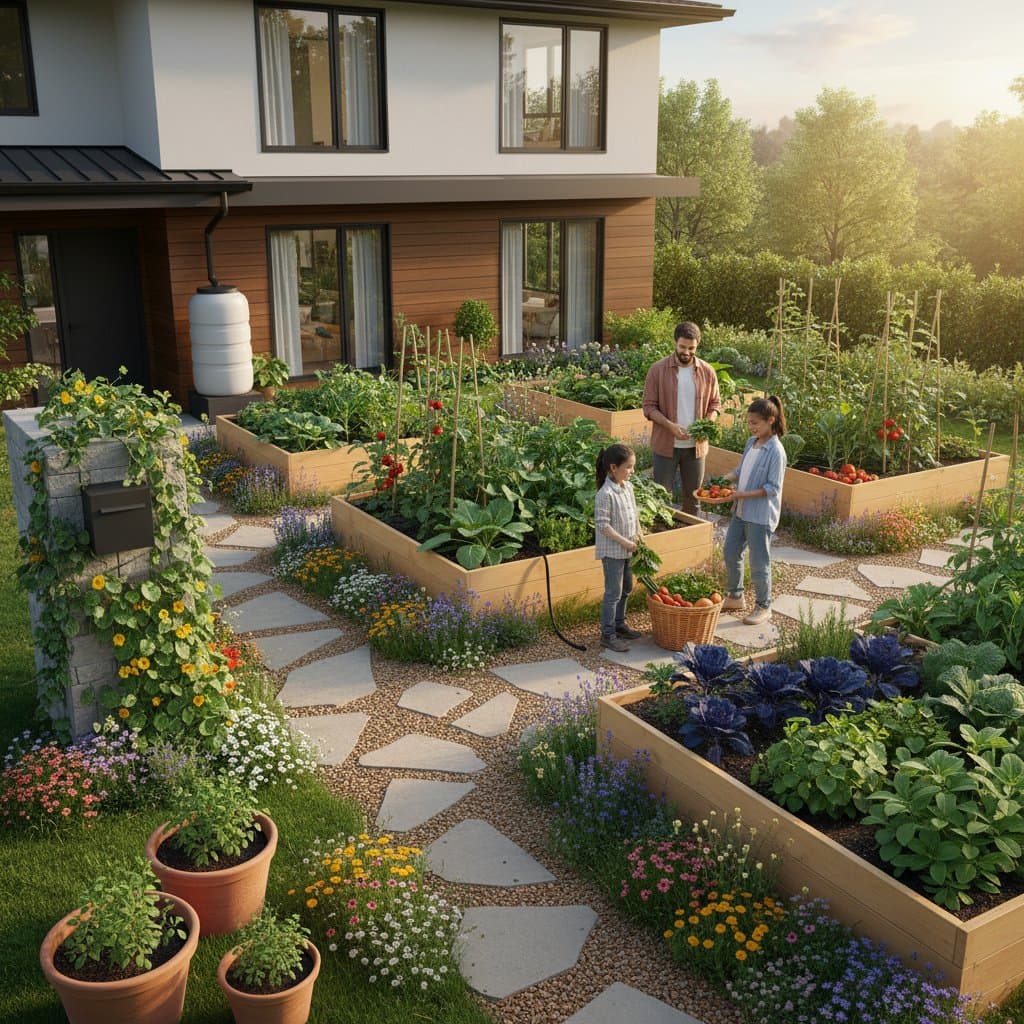
Visitors first notice the vibrant layers of color and texture in these redesigned yards. Raised beds constructed from durable cedar create defined planting zones that resemble artistic borders rather than simple vegetable patches. Designer Maya Lin of Greenroot Studio explains the approach: "We wanted it to feel like a landscape first. The vegetables just happen to be part of the design."
Homeowners select front yards for their visibility and sunlight exposure, ideal for productive gardens. The design process focuses on aligning the space with family routines, such as frequent cooking and outdoor activities. Challenges include ensuring the layout appears polished and integrated, avoiding a purely utilitarian appearance.
To achieve this, incorporate elements like espaliered fruit trees against fences for vertical interest. Pair them with flowing perennials that attract pollinators, creating a dynamic visual flow from street to entryway.
Selecting Materials and Finishes for Longevity
Durability guides material choices to ensure the garden withstands weather and use. Cedar raised beds resist rot naturally, while crushed granite paths provide stable footing that drains well. Matte black steel fencing subtly frames the plantings without overpowering the natural elements.
Near the front steps, install permeable pavers that allow rainwater infiltration, reducing runoff. Fill joints with low-growing herbs such as woolly thyme, which release pleasant scents underfoot. A cohesive palette of grays, soft browns, and greens unifies the design.
For illumination, use low-voltage path lights to guide evening walks and a single spotlight to accent features like an espaliered apple tree. Lin notes, "We did not want the space to feel overdesigned. The plants do most of the talking."
Consider sourcing materials from local suppliers to minimize environmental impact. Opt for untreated woods and recycled aggregates where possible to align with sustainable practices.
The Growing Movement Toward Edible Landscapes
In cities and suburbs alike, front yards evolve into productive oases driven by interests in local food and resource conservation. Lawns require ongoing mowing, fertilizing, and irrigation, whereas edible gardens yield harvests and support biodiversity. This transformation conserves water and enriches soil health over time.
Municipal regulations adapt to this trend, with some areas now permitting or incentivizing front-yard vegetable gardens. Homeowners associations recognize that elegant edible designs rival traditional ornamental landscapes in refinement. Professionals like Lin pioneer layouts that harmonize productivity with visual appeal.
Statistics from recent surveys indicate a 40 percent increase in such projects since 2023, fueled by climate awareness. Communities benefit from shared knowledge, often through local workshops on permaculture techniques.
Fostering Social and Community Connections
An edible front yard shifts interactions from passive observation to active engagement. Neighbors pause to admire growth, inquire about plants, and occasionally accept offered herbs or greens. These exchanges build rapport and spark conversations across fences.
Families host casual outdoor meals using the harvest, transforming a simple wooden table into a communal hub. One homeowner reflects, "It has changed the way we think about home. The yard is not just something to look at anymore. It is part of our routine."
To encourage this, position accessible beds near walkways and include signage with plant names for educational value. Such features invite dialogue and position the garden as a neighborhood asset.
Essential Design Tips for Edible Front Yards
Experts at Greenroot Studio offer these principles to guide your project:
- Establish structure early. Define zones with raised beds, hedges, or low fencing to provide visual rhythm and organization.
- Blend textures thoughtfully. Pair leafy greens with woody herbs and flowering edibles to achieve balanced, engaging visuals throughout the seasons.
- Layer plantings strategically. Position taller crops, such as tomatoes or pole beans, behind shorter varieties to preserve clear sightlines from the street.
- Incorporate perennial anchors. Select shrubs like rosemary, blueberries, or currants to maintain form and interest year-round.
- Design ample paths. Ensure walkways measure at least three feet wide to allow comfortable access for harvesting and maintenance.
- Implement crop rotation. Shift plantings seasonally to sustain soil fertility and minimize pest issues.
Apply these steps incrementally, starting with a single bed to test soil and sunlight conditions. Consult local extension services for region-specific plant recommendations.
Embracing Seasonal Changes in Your Edible Yard
After installation, families observe shifts in daily habits. Grocery trips for produce decrease as harvesting becomes routine. Children participate in watering and picking, gaining insights into plant growth cycles.
Meal planning adapts to seasonal availability, incorporating ripe items like cherry tomatoes or fresh basil. The design endures through weather variations, with evergreens and structural elements preventing bare spots.
Lin highlights the project's core: "We treat food plants like ornamental plants. When you design with that mindset, you get something that feeds you and still looks good from the street."
Monitor soil pH annually and amend with compost to support ongoing vitality. This maintenance ensures the yard remains a thriving, low-effort feature.
Sustaining the Edible Yard Movement
Begin your transformation by converting small lawn areas to herb borders or berry patches. Integrate raised beds as central elements to draw focus without overwhelming the space.
As demonstrated, edible front yards extend beyond backyards into visible, inspiring landscapes. They enhance curb appeal, supply fresh ingredients, and motivate surrounding homes to adopt similar practices. This approach connects individuals to their food sources, strengthens community ties, and contributes to a greener future.