
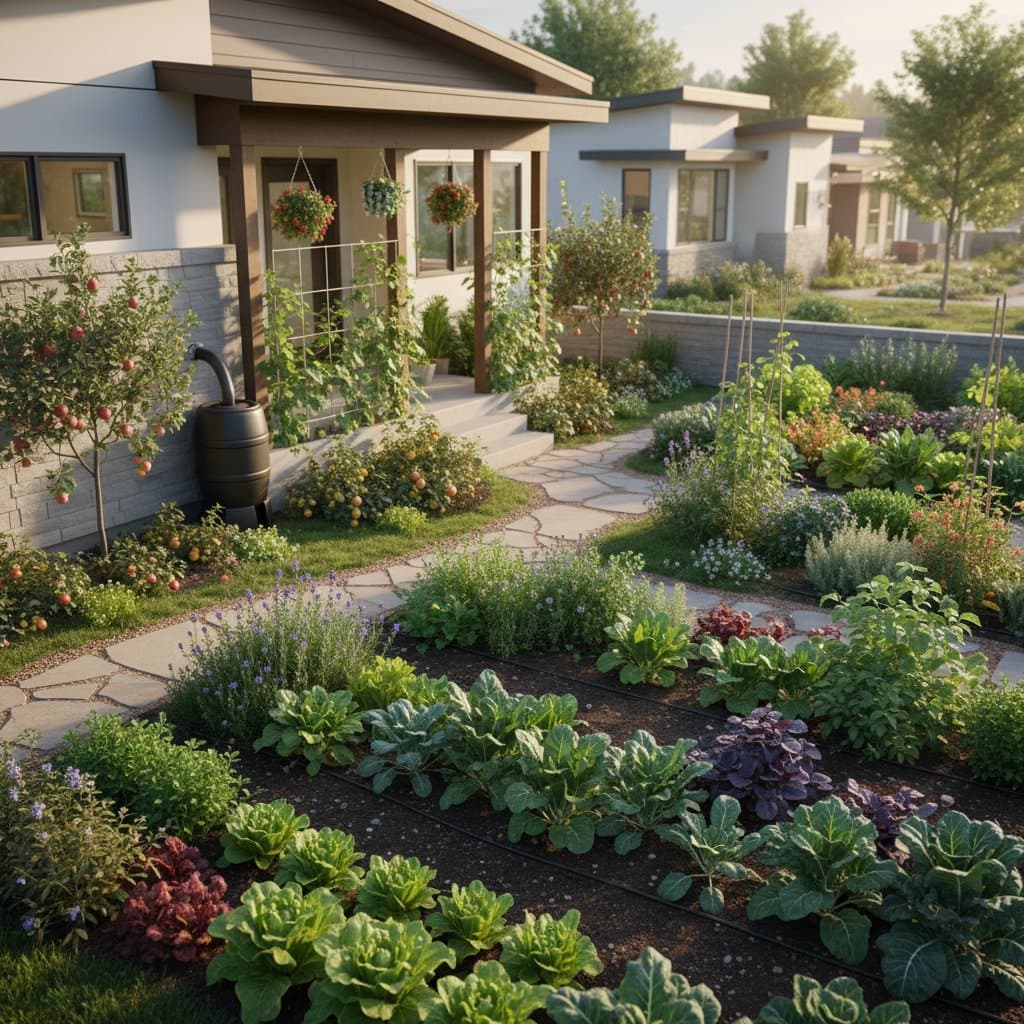
Unlock $3,000 in Annual Grocery Savings with an Edible Front Yard
A well-planned front yard goes far beyond curb appeal. With careful plant selection and layout, it becomes a productive food source that can offset around $3,000 in yearly grocery costs. In California, these edible landscapes gain popularity for combining visual beauty with real utility. They represent a shift toward self-reliance, environmental care, and easy access to fresh ingredients right outside the door.
Why Grow Food in Your Front Yard
Front yards frequently sit idle as large lawns that require heavy watering, chemical fertilizers, and frequent mowing. Replace all or part of that grass with fruit trees, herbs, and seasonal vegetables to slash water bills and food expenses. For example, a single mature lemon tree can produce enough fruit for a family's yearly cooking and cleaning needs. Add raised beds filled with spinach, heirloom tomatoes, and bell peppers to build savings quickly.
These gardens offer more than financial perks. They spark conversations with neighbors who stop to admire new growth, exchange recipes, or trade seedlings. Such interactions create a welcoming community vibe while attracting bees and beneficial insects that support local ecosystems.
Design Principles for Beauty and Productivity
The best edible front yards look intentional and elegant, not like working farms. Successful designs weave in hardscape features with food plants to preserve style. Start by mapping out spaces that match your home's architecture and fit neighborhood norms.
- Build a strong base. Use stone paths, low walls, or gravel borders to define areas. These elements add structure and make weeding and access easier.
- Layer plants for year-round interest. Combine tall trees, mid-height shrubs, long-lived perennials, and short-season annuals. Opt for compact apple or fig trees for height, paired with blueberry bushes or lavender for mid-level color.
- Choose plants suited to your climate. Coastal areas thrive with fava beans and Meyer lemons, while inland spots suit drought-tolerant figs, table grapes, and mission olives.
- Mix colors and textures for appeal. Plant rainbow chard with its vivid stems, bronze fennel for feathery accents, and nasturtiums for edible flowers that mimic traditional blooms.
This balanced approach lets productivity boost aesthetics, creating a garden that feels purposeful and polished.
Water-Saving and Soil-Health Techniques
Thriving edible gardens need healthy soil and smart watering. Switch from spray heads to drip lines buried near roots for efficient delivery. Cover soil with 3-inch layers of wood chips or wheat straw to lock in moisture and block weeds. Build soil biology with worm castings or mycorrhizal fungi to help plants absorb nutrients without chemicals.
Create compost from kitchen scraps and yard trimmings to enrich beds naturally. In dry California climates, set up 55-gallon barrels under downspouts to capture rain, or route laundry water to fruit trees and perennials. These methods keep production high while conserving resources.
Top Plants for Maximum Yield and Ease
Pick plants based on what your family eats and the space available. Here are reliable choices:
- Citrus trees like oranges or grapefruits, providing harvests from fall through spring under evergreen shade.
- Herbs such as sage, mint, and parsley, which edge borders and flavor dishes daily.
- Leafy greens including arugula and collards, ideal for partial shade with multiple cuttings per season.
- Tomatoes and peppers, yielding pounds of summer bounty from just a few vines or bushes.
- Berries like raspberries or currants, spreading as ground cover with sweet, repeated picks.
Rotate crops every season, such as following beans with brassicas, to refresh soil and extend harvests across months.
Simplify Maintenance for Lasting Success
Plan your garden for minimal daily work to keep it sustainable. Group sun-lovers like zucchini together and shade-tolerant items like lettuce in one bed. Trim fruit trees annually in winter to maintain size and airflow, preventing disease.
Harvest often to encourage more growth and keep plants tidy. Place a small shed or bench near the path for tools, turning care into a quick habit. This setup makes tending the garden a natural part of your routine.
Weave the Garden into Everyday Life
Once established, your edible front yard fits seamlessly into home rhythms. Snip basil for dinner or pluck peaches for breakfast to connect with nature's pace. Beyond the clear cost cuts, enjoy flavors far superior to store-bought, plus vitamins at peak freshness and the satisfaction of growing your own.
Over time, roots deepen, and the garden blends fully with your landscape. Dedicate a few weekends to setup, then maintain with weekly checks. The results include lighter grocery runs, lower environmental impact, and greater daily joy from a space that nourishes both body and home.