
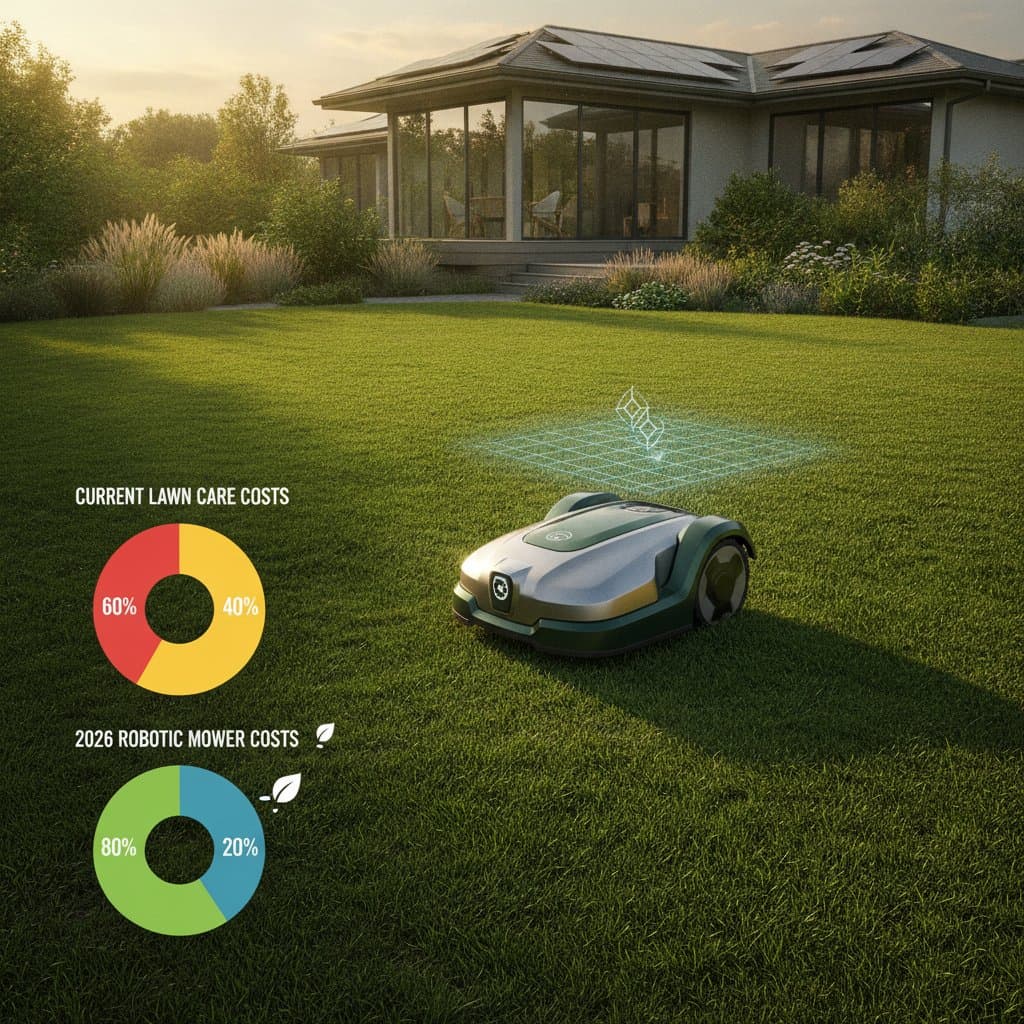
GPS Robotic Mowers Cut Lawn Costs 60% Starting 2026
Perfectly trimmed lawns without the noise, fumes, or weekend labor are no longer a dream reserved for high-end golf courses. A new generation of GPS-guided robotic mowers is transforming residential and commercial landscaping, slashing maintenance costs by roughly sixty percent while improving turf quality and consistency. For homeowners, property managers, and landscape contractors, this shift signals more than convenience. It represents a smarter, more sustainable way to manage outdoor spaces in a changing climate.
Why GPS Guidance Changes Everything
Earlier robotic mowers relied on boundary wires buried around the yard to map cutting zones. Those systems worked well in small spaces, but they required tedious installation and frequent repairs. GPS guidance eliminates that step entirely. With satellite mapping and digital zoning, the mower knows exactly where it is at all times. It can cut efficiently, follow virtual boundaries, and even return to its charging dock without human help.
By removing the need for physical wires, setup time drops dramatically. Landscapers can program dozens of properties from a tablet, adjusting schedules and cutting patterns remotely. This technology also allows for precise mowing paths that conserve energy and reduce wear on turf. Instead of random crisscrossing, the mower works in planned lines similar to a professional grounds crew, ensuring uniform height and healthier grass.
Real Savings Through Smarter Operation
The cost reductions come from several factors that together reshape the economics of lawn care:
-
Labor Efficiency
Robotic units handle the repetitive cutting, freeing crews to focus on higher-value tasks such as pruning, irrigation, and soil management. A single technician can oversee multiple machines at once. -
Energy and Maintenance
Electric motors use a fraction of the energy required by gas engines. They have fewer moving parts, which means less downtime and lower repair costs. -
Turf Health
Continuous, light mowing places less stress on grass compared to the weekly heavy cuts of traditional methods. The result is slower thatch build-up, fewer weeds, and a more resilient lawn that needs less fertilizer and water. -
Time Optimization
With programmable schedules, mowing can happen at night or during off-peak hours. That flexibility keeps properties looking neat without interfering with daytime activities or foot traffic.
When these efficiencies combine, total lawn care expenses can drop by more than half, especially for large or multi-property portfolios.
Sustainability Meets Practical Design
California gardeners have long valued drought-tolerant design and low-emission maintenance. GPS robotic mowers fit neatly into that philosophy. They run quietly, recharge with minimal electricity, and eliminate the fuel spills and exhaust common with gas-powered models.
The constant micro-cutting technique also recycles nutrients directly into the soil. Instead of collecting clippings, the mower distributes them as fine mulch that breaks down quickly. This natural fertilization supports healthier root systems and reduces dependence on chemical treatments.
For environmentally conscious homeowners and businesses, this shift means more than cost savings. It creates a measurable reduction in carbon output and water use while maintaining the lush, well-kept look that Californians love.
Getting Started: Planning and Setup
Transitioning to robotic mowing works best when approached as a project rather than a gadget purchase. A thoughtful plan ensures compatibility with your existing landscape and maximizes value over time.
1. Assess the Site
Identify slopes, pathways, and planting areas. GPS mowers handle moderate inclines, but extremely steep or uneven terrain may require adjustments or terracing.
2. Map Digital Boundaries
Most systems use an app to create virtual zones. You can exclude flower beds, vegetable gardens, or play areas with a few taps.
3. Set Cutting Heights and Patterns
Different grass types respond best to specific mowing heights. A cool-season turf may thrive at an inch taller than a warm-season variety. Adjust settings seasonally for optimal growth.
4. Schedule Automatic Operation
Program the mower to run during cooler hours or at night to minimize stress on the grass and to take advantage of off-peak electricity rates.
5. Monitor and Adjust
Use the system dashboard to track performance and make small tweaks. Over time, data collected from the mower helps refine schedules and improve efficiency.
Balancing Automation and Human Oversight
While robotic mowers handle routine maintenance, they do not replace human expertise. Landscapers still play a vital role in soil care, pest management, and design adjustments. The best results come from integrating technology with horticultural knowledge.
Routine inspections remain important. Clearing debris, checking blades, and observing mower routes prevent minor issues from turning into service calls. Think of the mower as a reliable assistant that performs consistent, repetitive work, allowing you to focus on the artistry and science of landscape management.
The Professional Landscape Advantage
Commercial and municipal grounds crews stand to gain even more from this technology. Managing large lawns or sports fields often requires multiple workers and heavy machinery. By introducing GPS-guided mowers, teams can maintain consistent turf conditions across wide areas with minimal labor.
Fleet management software allows supervisors to control several machines simultaneously, adjusting settings from a central hub. This coordination ensures even coverage and predictable results. Over time, the reduction in fuel, labor, and equipment wear translates into measurable financial savings that can be reinvested into other property improvements.
Durability and Long-Term Value
High-quality robotic mowers are built for years of reliable service when maintained properly. Lithium-ion batteries typically last several seasons before replacement, and most units feature weatherproof housings suitable for California’s varied microclimates.
When comparing models, focus on:
- Build Quality: Look for solid construction and sealed electronics that withstand dust and moisture.
- Blade Design: Replaceable microblades provide cleaner cuts and easy maintenance.
- Connectivity: Reliable GPS and mobile integration simplify updates and troubleshooting.
- Support and Warranty: Choose brands with accessible parts and responsive customer service.
While the initial investment may seem steep, the long-term savings in labor and materials often recover the cost within a few seasons.
Practical Challenges and Solutions
No innovation arrives without a few learning curves. Some users find that dense tree cover can temporarily interfere with satellite reception. In those cases, hybrid systems that combine GPS with local sensors maintain accuracy.
Pets and small children should be kept away during mowing, although modern sensors automatically stop the blades if obstacles appear. Regular cleaning and seasonal blade replacement are also necessary to sustain performance.
For those managing complex landscapes, pairing robotic mowing with smart irrigation systems creates a fully automated lawn care cycle. Moisture sensors can pause mowing when soil is wet, protecting both turf and equipment.
Watching Your Garden Thrive
Once the setup is complete, the results speak for themselves. Lawns stay at consistent height, edges remain neat, and the overall texture improves as grass thickens naturally. Homeowners often notice a softer, more resilient feel underfoot and a richer green tone due to continuous mulching.
For anyone managing time, budget, and environmental impact, GPS robotic mowers offer a rare combination of practicality and innovation. They cut costs, reduce emissions, and elevate the quality of outdoor spaces without sacrificing aesthetics.
By embracing this technology, homeowners and professionals alike can redirect attention from routine mowing to the creative aspects of garden life. That might mean planting pollinator-friendly borders, designing new outdoor seating areas, or simply taking a quiet moment to enjoy the California sunset while the mower quietly hums in the background.