
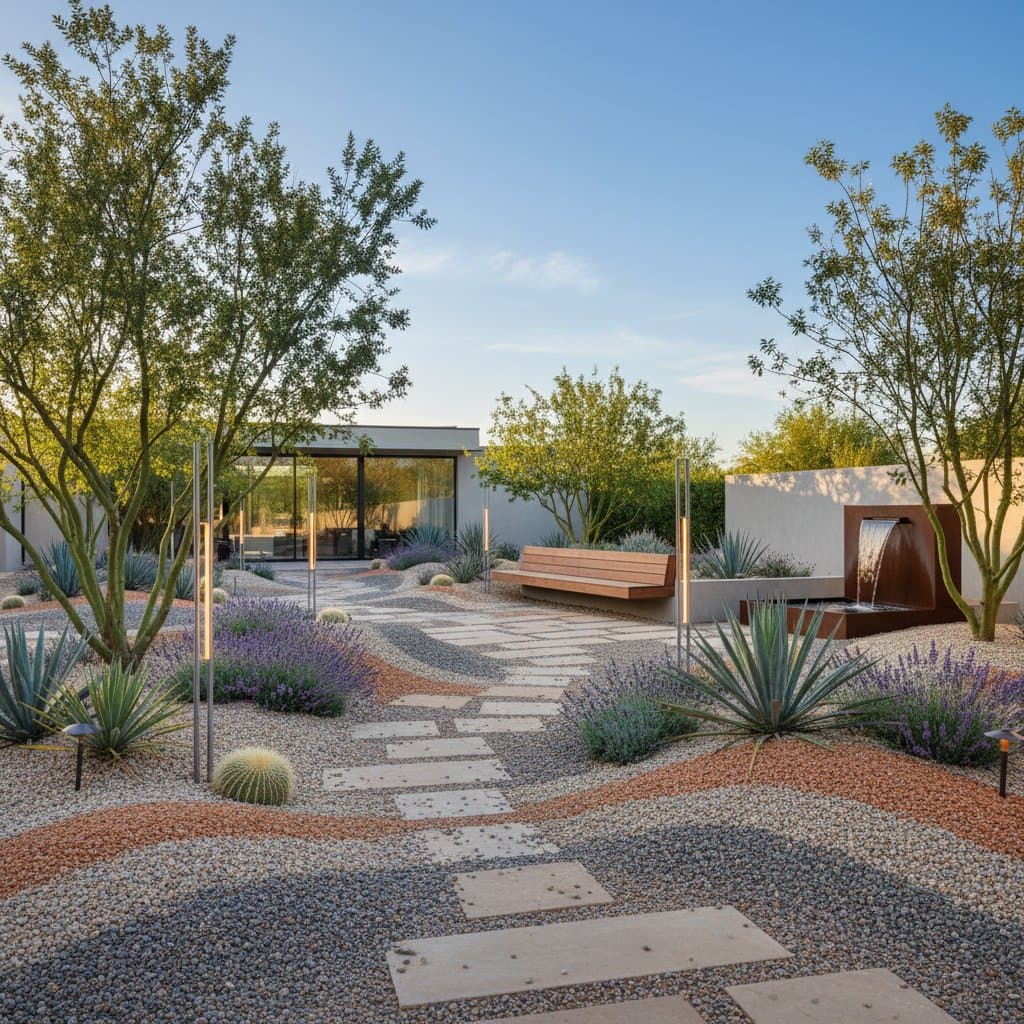
Gravel Gardens: A Sustainable Approach to Dramatic Water Savings
Gravel gardens alter perspectives on water-efficient outdoor spaces for homeowners and landscape professionals alike. Clean geometric lines, varied surface textures, and resilient plant selections introduce order and tranquility to gardens. These features coincide with substantial reductions in irrigation demands, positioning gravel gardens as an effective solution for arid environments and regulatory water limits.
Key Overview
Suitable Locations: Arid to temperate zones worldwide
Scalable Sizes: From compact urban courtyards to expansive residential yards
Optimal Climate Zones: Dry or Mediterranean regions with limited rainfall
Primary Objectives: Minimize water consumption while sustaining visual appeal and tactile interest
1. Establish a Permeable Foundation with Gravel
The foundation of a gravel garden relies on a stable, water-permeable layer. Select crushed granite or pea gravel to facilitate soil infiltration, which curbs surface runoff and supports robust root development. Professionals recommend a compacted base of decomposed granite, overlaid with smoother gravel particles to ensure comfortable traversal.
A landscape contractor observes: "Gravel functions as a permeable layer for the garden, directing moisture precisely to plant roots."
This material supplants conventional lawns or thick organic mulches, thereby decreasing ongoing maintenance and hydration needs. Aesthetically, gravel creates cohesion across the landscape and serves as a versatile canvas for botanical and lithic elements. Light-colored varieties bounce sunlight to cool the area, whereas deeper shades anchor compositions and emphasize leaf patterns.
Visual Highlight: Winding paths of light gravel meander through isolated clusters of hardy perennials.
To implement this step, measure the designated area and calculate gravel depth at three to four inches for optimal drainage. Source materials from local suppliers to match regional stone types, ensuring harmony with the natural surroundings. Edge borders with metal or wood to contain the gravel and prevent migration over time.
2. Select Resilient Plants for Textural Depth
Gravel gardens flourish with vegetation suited to sparse soils and intense sunlight. Incorporate ornamental grasses like little bluestem for its rust-hued autumn tones, blue fescue for fine silvery strands, and feather reed grass for upright verticality. Succulents such as sedum varieties offer low-growing mats, while agave provides bold, architectural forms.
A designer notes: "In a gravel garden, each plant selection contributes distinct texture and enduring vitality."
Arrange plants in groupings based on comparable hydration requirements, allowing ample spacing to avoid resource rivalry and showcase individual silhouettes. Prioritize native flora, which establish quickly with reduced intervention. This configuration yields an organic yet deliberate appearance, featuring graduated heights and gentle chromatic variations across seasons.
Visual Highlight: Clusters of blue fescue intermingle with lavender blooms and stonecrop rosettes, contrasting sharply against the gravel expanse.
For best results, assess soil pH before planting; most drought-tolerant species prefer neutral to slightly alkaline conditions. Amend with grit if necessary to enhance drainage. Water deeply but infrequently during the initial establishment phase, then taper to natural rainfall once roots anchor firmly.
3. Integrate Functional Zones for Seating and Movement
Incorporate defined routes and repose areas to maximize usability in gravel gardens of any scale. Position a sturdy bench or construct a low retaining wall embedded within the gravel to foster purposeful flow. Employ larger boulders or precast concrete stepping stones to delineate shifts between trafficked paths and vegetated sections.
An outdoor specialist comments: "Well-defined zones expand the perceived scale of the garden."
Such organization promotes routine interaction beyond mere observation. The gravel surface underfoot conveys a relaxed yet structured ambiance, accommodating both sleek contemporary motifs and traditional countryside vibes. For broader properties, link features like fire pits, lounging nooks, and elevated planters via gravel trails, eliminating the irrigation burdens of sod.
Visual Highlight: A gravel-paved courtyard, bordered by sleek steel, guides visitors toward a rounded fire pit seating arrangement.
Plan pathways at least three feet wide for comfortable passage. Select seating materials that withstand weather exposure, such as teak or powder-coated metal. Test circulation patterns during design to ensure intuitive navigation, adjusting curves or widths as needed for enhanced accessibility.
4. Incorporate Strategic Lighting for Nocturnal Enhancement
Deploy low-voltage path lights or ambient LED uplights to accentuate surface details and prolong garden enjoyment into the evening. Reflections off gravel particles generate a soft luminescence that adds dimension without overwhelming brightness. Direct fixtures to skim along plant borders or illuminate prominent rocks for understated theatrical effect.
A designer remarks: "Thoughtful lighting prolongs outdoor evenings with gentle illumination."
Opt for solar-powered or energy-efficient setups to align with the garden's eco-conscious ethos and simplify upkeep. The interplay of stone, illumination, and silhouette fosters a welcoming atmosphere well beyond twilight.
Visual Highlight: Gentle uplighting illuminates the gray-green foliage of sage against a backdrop of neutral gravel.
Install lights at intervals of four to six feet along primary paths, burying cables to protect against damage. Choose warm color temperatures around 2700K for a cozy glow. Regularly inspect and clean fixtures to maintain consistent performance year-round.
Sustaining and Appreciating Your Gravel Garden
A gravel garden evolves with poise under light intervention. Rake surfaces periodically to remove debris, and trim plants judiciously to preserve their contours. The gravel layer inhibits weed growth and conserves ground moisture, allowing more leisure time for appreciation than labor.
Seasonal transitions infuse vitality: grasses undulate in summer breezes, while succulents maintain stark profiles through winter dormancy. The blend of tactile variety, neutral palettes, and dynamic elements sustains interest amid challenging conditions.
Gravel gardens affirm that resource conservation integrates seamlessly with polished aesthetics. They preserve water supplies, attract pollinators, and deliver enduring allure. For those pursuing durable, undemanding exteriors, gravel embodies a principled approach grounded in restraint and ecological harmony.