
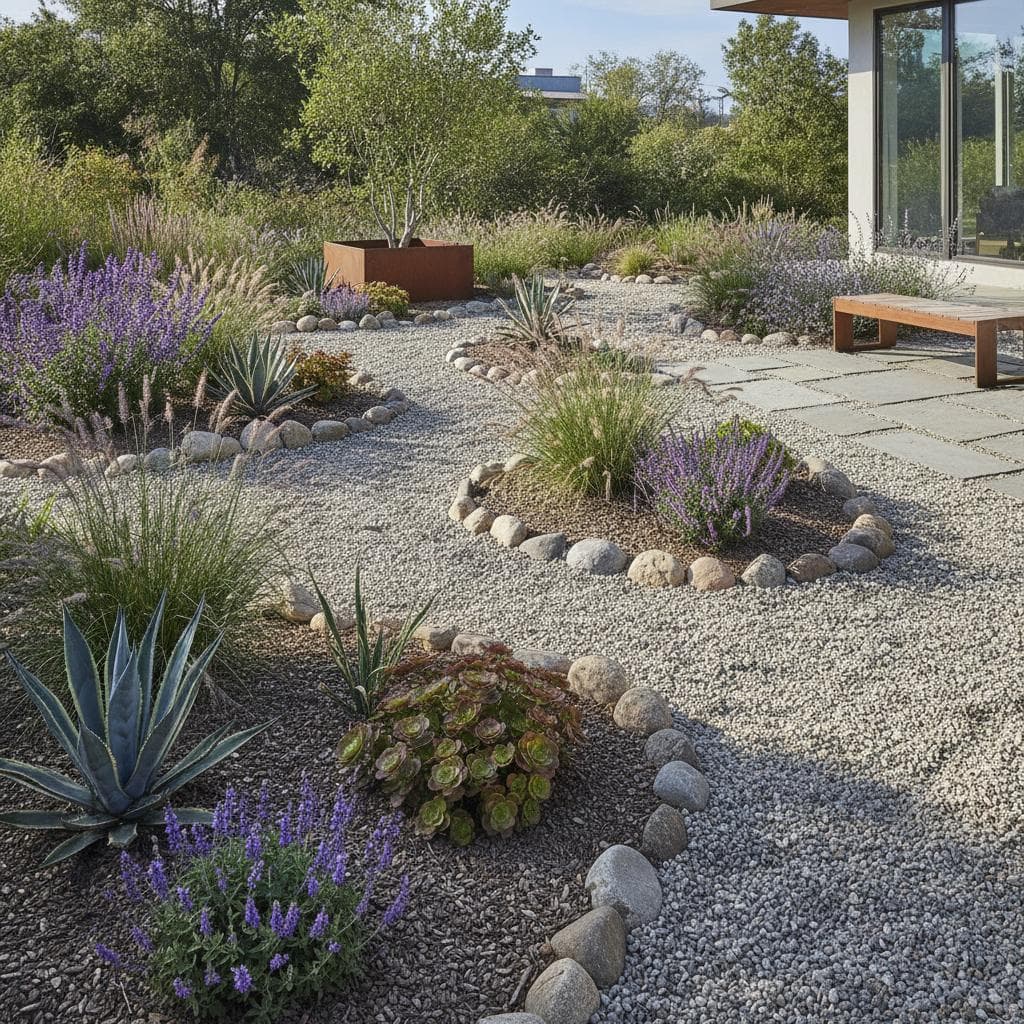
Gravel Gardens Overtake Mulch as the Low-Care Choice
When landscape designer Erin Madsen began rethinking her clients suburban yard, their request was simple. They wanted less watering, less weeding, and more texture. The couple had spent years spreading bark mulch and replacing faded plants. They sought a garden that looked alive without constant upkeep.
Madsen proposed a gravel garden. This design now overtakes mulch beds as the preferred low-care option for homeowners who value longevity and ecological balance.
Why Gravel Surpasses Mulch
Mulch has long served as the default for garden beds. It keeps soil cool, discourages weeds, and breaks down into organic matter. Yet that breakdown requires constant replenishing, which proves costly and time-consuming. Gravel holds its form for years and creates a clean, finished surface that complements modern planting styles.
Madsen describes gravel as a living carpet that works with the plants instead of burying them. The shift reflects a broader movement toward climate-conscious gardening. Resources such as water and fuel for maintenance receive sparing use. Gravel gardens fit that goal by mimicking conditions of naturally resilient ecosystems.
Planting into Stone
Unlike mulch beds, gravel gardens do not fill with dense organic matter. Plants set directly into the soil beneath the gravel keep roots cool and discourage evaporation. Thoughtful plant selection becomes crucial.
Madsens design includes a layered mix. Groundcover plants such as thyme, sedum, and creeping germander create a soft mat that spills over stone edges. Mid-height plants like ornamental grasses Festuca glauca and Stipa tenuissima add motion and fine texture. Structural accents such as agastache, echinacea, and yucca punctuate the space. Seasonal color from bulbs including allium and tulip emerges through the gravel in spring.
Gravel lets each plant breathe, Madsen said. You see the architecture of the stems and leaves, not a sea of mulch. Because gravel reflects light, silvery foliage and feathery textures appear especially luminous. The look stays sculptural yet never sterile.
Water Efficiency and Soil Health
Beneath the stone, soil stays surprisingly healthy. Gravel slows evaporation and keeps moisture where roots can reach it. Gaps between stones allow air circulation, which encourages beneficial soil organisms.
Madsen installed a low-flow drip irrigation system beneath the gravel. The lines deliver water directly to each plants root zone and reduce waste. The combination of gravel surface and targeted watering helps the garden thrive even through dry spells.
This approach supports xeriscaping principles. Design choices reduce the need for supplemental water without sacrificing visual richness. The result is a garden that feels full and dynamic yet demands only a fraction of the resources of a traditional landscape.
Design Versatility Across Styles
Although gravel gardens often appear in modern or desert-style settings, they adapt easily to different aesthetics. In cottage gardens, pale pea gravel pairs with lush perennials and antique brick. In coastal environments, coarser river gravel echoes the local geology.
Color choice influences the mood. Warm tan or gold gravel feels sunlit and soft. Dark basalt gravel adds contrast around silver-leaved or white-flowered plants. Madsen often uses two tones to define areas subtly, such as a lighter gravel path framed by deeper gray planting beds.
Texture plays a role as well. Fine gravel gives a sleek, uniform look that suits contemporary homes. Larger chippings feel more rustic and informal. Matching the gravel type to the architecture and planting style ensures a cohesive design.
Common Misconceptions
Some homeowners worry that gravel gardens look barren or overheat the soil. Proper design addresses both concerns. The key lies in balancing the mineral surface with abundant planting. When plants fill in, their foliage shades the gravel and moderates temperature.
Another misconception holds that gravel attracts pests or becomes difficult to weed. In reality, the stone discourages many insects that prefer damp organic matter. A well-prepared base and early maintenance keep weeds minimal.
Madsen advises against plastic weed barriers under gravel. They trap water and prevent healthy soil movement, she said. Instead, she relies on a compacted base layer and plant density to keep unwanted growth in check.
Material Selection and Sourcing
Choosing the right gravel type proves essential for long-term success. Look for angular stones between a quarter and half an inch in size. Rounded pea gravel tends to shift and can feel unstable underfoot. Crushed granite, limestone, or local quarry stone provide better grip and drainage.
Before installation, rinse the gravel to remove dust that could compact and block airflow. Madsens crew sourced material from a regional quarry. This choice reduced transport emissions and ensured a natural color match to the surrounding landscape.
Edging materials matter too. Steel, aluminum, or stone borders hold the gravel neatly in place. For paths, a compacted sub-base ensures the surface remains level. In larger gardens, permeable pavers or stepping stones integrate for structure and accessibility.
The Ecological Advantage
Gravel gardens support biodiversity in ways mulch beds often cannot. The open surface warms quickly in spring and invites ground-dwelling insects. Many native bees prefer to nest in the loose, dry soil beneath the gravel. Flowering perennials attract pollinators throughout the growing season.
Runoff reduction offers another benefit. Gravel absorbs and filters rainfall, unlike impermeable surfaces that channel water into storm drains. In Madsens project, the garden slopes gently toward a dry creek bed lined with cobbles. During heavy rain, the gravel slows the flow and allows water to soak into the soil.
The absence of chemical fertilizers or constant re-mulching lowers environmental impact as well. Over time, the garden becomes a self-sustaining ecosystem that requires minimal external input.
Budget and Longevity
Initial installation costs for gravel gardens can exceed those for mulch, largely due to base preparation and edging. Yet the return on investment remains clear. With proper installation, a gravel surface lasts for decades with only modest upkeep.
Madsens clients noticed savings within the first season. Water bills dropped, and the time once spent spreading mulch went to enjoying the space instead. It feels like the garden finally works with us, the homeowner said.
The durability of gravel also protects against erosion on sloped sites, where mulch would wash away. For homeowners who value both appearance and practicality, the longevity of gravel offsets its upfront cost.
Living with Your Design
Months after completion, Madsens clients find their garden still looks fresh. The gravel surface remains even, and the plants have grown into a soft, textured composition. Bees hover around the lavender, and the children use the gravel paths as play zones without damaging the plantings.
The success of this project reflects a wider trend toward sustainable, low-maintenance landscapes. Gravel gardens meet modern needs by reducing waste and conserving water while offering visual depth and year-round interest.
For anyone considering a shift away from mulch, the key lies in thoughtful preparation. Choose local materials, plan drainage carefully, and match plant species to your climate. Gravel gardens reward patience. They evolve slowly and reveal new layers of beauty as plants settle in.
A gravel garden is not about perfection, Madsen notes. It centers on balance and resilience. Once it finds its rhythm, it almost takes care of itself.