
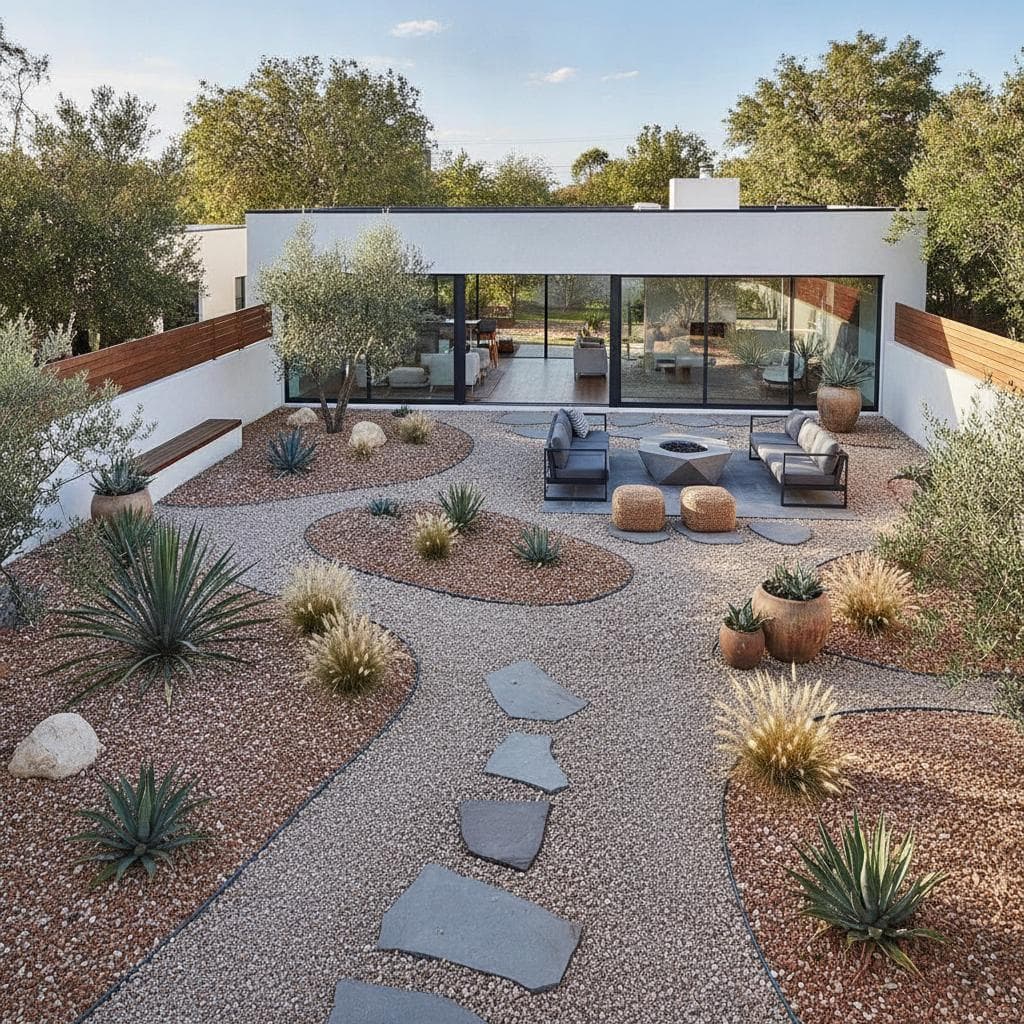
Gravel Lawns: Why Homeowners Ditch Grass for Good
The traditional green lawn once symbolized pride, prosperity, and suburban charm. Yet across California and other dry regions, more homeowners are rethinking that picture-perfect patch of grass. Rising water costs, climate concerns, and shifting design values have turned the spotlight toward gravel lawns.
These minimalist, low-maintenance landscapes promise beauty with far fewer resources. The result is a fresh, sustainable approach to outdoor living that fits modern lifestyles. Replacing living turf with gravel might sound radical at first, but the benefits extend well beyond water savings.
The Shift Away from Traditional Grass
Grass lawns once represented consistency and control. Yet they require constant care to maintain that lush, uniform look. In dry or drought-prone climates, keeping grass healthy demands extensive irrigation, often at odds with environmental responsibility and local water restrictions.
Beyond water, lawns also need fertilizer, pest control, and frequent mowing. These tasks together add up to a considerable investment of time, fuel, and money. This growing mismatch between aesthetic tradition and ecological reality has driven many homeowners toward xeriscaping and gravel-based alternatives.
Gravel lawns respond to the need for beauty that respects local climate patterns. They embody a less wasteful, more regional form of landscaping that celebrates texture, light, and natural color rather than pure greenness.
Benefits That Go Beyond Water Savings
Water conservation is the headline advantage of gravel lawns, but it is far from the only one. Homeowners who have made the switch often cite three main benefits: durability, design versatility, and long-term value.
1. Durability and Low Maintenance
Gravel lawns do not fade, wilt, or brown in the sun. They withstand heavy foot traffic, temperature fluctuations, and rainfall without losing visual appeal. Once properly installed, a gravel surface requires minimal upkeep.
Occasional raking and weed control are usually enough to keep it looking sharp. No mowing, fertilizing, or seasonal reseeding is required.
2. Design Flexibility
Gravel comes in a vast range of colors and sizes, from warm beige decomposed granite to smooth black river stones. This flexibility allows designers to tailor the surface to match architectural styles or complement nearby plantings.
Gravel pairs beautifully with drought-tolerant species like lavender, agave, or California fescue. It also creates a neutral backdrop that highlights outdoor furniture and sculptures.
3. Long-Term Value
While the initial installation may cost more than seeding or sodding a lawn, the long-term savings are undeniable. Reduced water bills, fewer chemical inputs, and lower maintenance expenses quickly offset the upfront investment. Over time, gravel lawns preserve both natural resources and household budgets.
Planning a Gravel Lawn That Performs
A successful gravel lawn begins with careful planning. The goal is not to dump a layer of rocks where grass once grew, but to engineer a layered system that drains well, resists weeds, and feels comfortable to walk on.
Step 1: Assess Your Site
Evaluate the existing soil, slope, and drainage. Areas that hold water after rain may need grading or subsurface drainage before gravel installation. Identify any existing irrigation lines, roots, or buried utilities.
Step 2: Choose the Right Gravel Type
Not all gravel is equal. Decomposed granite offers a compact, natural look suitable for pathways and flat lawns. Crushed stone creates a more angular, modern texture, while pea gravel provides a softer, barefoot-friendly surface.
Step 3: Install a Weed Barrier
A high-quality geotextile fabric prevents unwanted growth while allowing water to pass through. Avoid plastic sheeting, which can trap moisture and cause odors or mold. Edging materials such as steel, stone, or concrete keep the gravel contained and visually tidy.
Step 4: Spread and Compact Layers
Gravel lawns usually require several inches of base rock topped with a thinner decorative layer. Compacting each layer ensures stability and prevents uneven settling. The finished surface should slope slightly away from structures to direct water flow.
Step 5: Integrate with Plantings and Features
Gravel lawns rarely exist in isolation. They work best as part of a cohesive outdoor design that includes native plants, succulents, or small trees. Raised planters, stepping stones, or boulders can break up the surface visually while creating inviting focal points.
Design Inspiration for California and Beyond
Gravel lawns suit a variety of architectural and regional styles. In the coastal areas of California, they blend beautifully with Mediterranean gardens filled with rosemary, sage, and olive trees. In desert regions, they complement sculptural cacti and bold agaves.
Urban homeowners often use gravel to create minimalist courtyards or outdoor dining zones that echo modern interiors. A few design approaches illustrate how versatile gravel can be.
- Naturalistic Meadow: Combine warm-toned gravel with clusters of native grasses and wildflowers for a relaxed, ecological feel.
- Modern Minimalist: Use a uniform gravel color with clean edging to echo contemporary architecture. Add linear planters or steel borders for structure.
- Zen-inspired Retreat: Layer fine gravel or decomposed granite with stone lanterns, bamboo, and raked patterns for a meditative atmosphere.
- Family-Friendly Patio: Pair pea gravel with flagstone pavers for a surface that drains well and feels comfortable underfoot.
Common Concerns and How to Solve Them
Some homeowners worry that gravel lawns might feel too stark or industrial. This concern usually fades once plants, furnishings, and lighting are added. The key is layering textures and introducing organic shapes.
Soft plant forms, wood accents, and seating areas bring warmth to the composition. Another frequent question involves heat. Gravel can reflect sunlight, making surfaces warmer than grass.
Choosing lighter-colored gravel and incorporating shade structures or trees helps regulate temperature. Permeable gravel types also allow moisture to cool the surface naturally.
Weed growth is another consideration. Even with a barrier, some opportunistic seeds will find their way in. Regular raking and the occasional hand-pull keep them in check.
Environmental and Lifestyle Advantages
Beyond aesthetics and cost savings, gravel lawns support broader ecological goals. Reducing turf eliminates pesticide and fertilizer runoff, which protects soil and waterways. Permeable gravel surfaces also reduce stormwater runoff, allowing rain to soak into the ground where it belongs.
From a lifestyle perspective, gravel lawns reflect a shift toward simplicity and leisure. They offer more space for outdoor living rather than maintenance chores. Whether it is a fire pit gathering, yoga session, or quiet reading nook, gravel surfaces adapt easily to changing uses.
Making the Transition
Transitioning from grass to gravel is both a design decision and an environmental statement. The process rewards careful planning, professional consultation, and patience during installation. Start by defining how you want to use your outdoor space.
Then select gravel types, colors, and companion plantings that express your taste and suit your climate. For homeowners seeking less maintenance and more design freedom, gravel lawns offer a lasting solution.
Their clean lines and natural hues match almost any architectural style. They conserve water, reduce chemical use, and encourage biodiversity when paired with native plants. A well-crafted gravel lawn delivers beauty that endures through every season.