
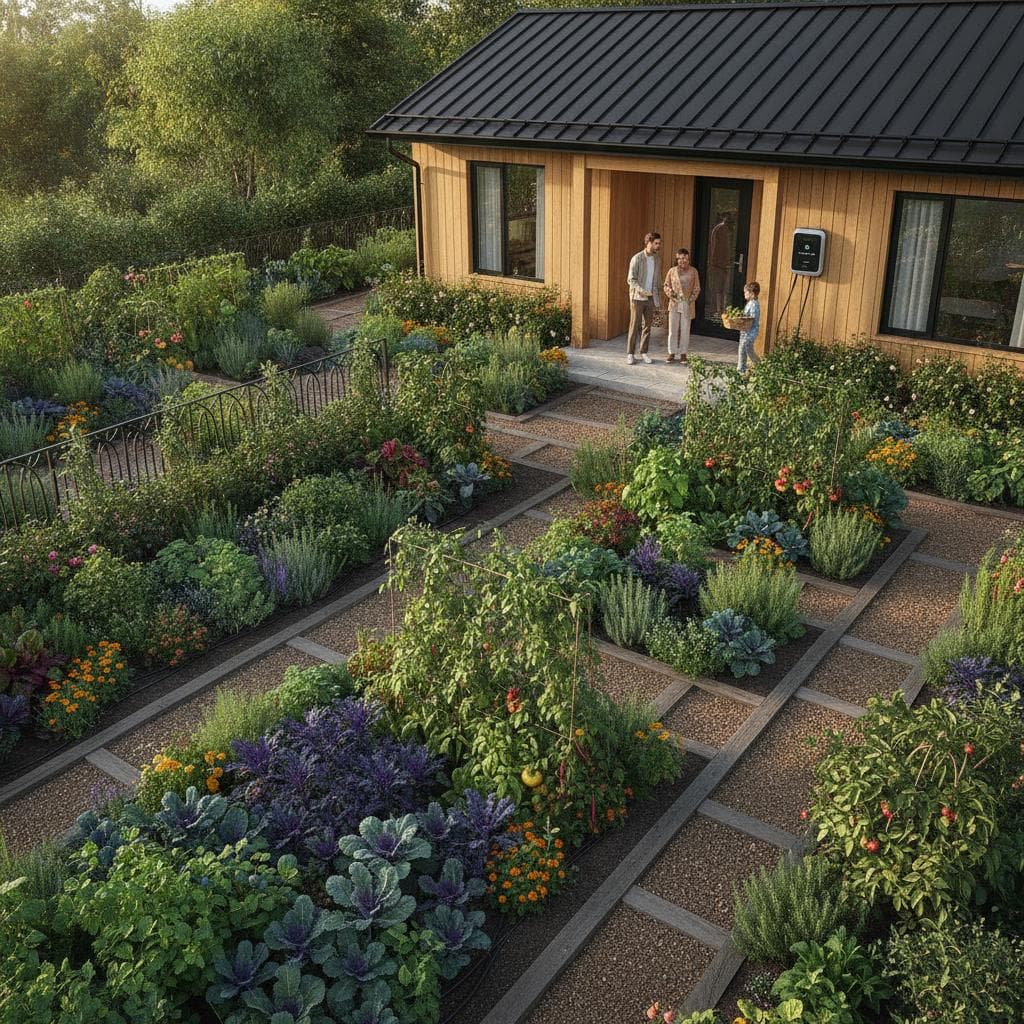
Front Yard Farms Emerge as the Top Landscape Trend
Front yards are transforming from purely decorative spaces into productive, food-yielding landscapes. More homeowners are trading turf for tomatoes and boxwoods for blueberries. The appeal lies in growing fresh food right outside the front door while keeping the space visually refined and welcoming.
At a Glance
- Location: Residential neighborhoods across diverse climates
- Size: Small urban lots to generous suburban parcels
- Climate Zone: Adaptable with region-specific plant choices
- Project Goal: Combine beauty, productivity, and community appeal
Design With a Purpose
A front yard farm starts with intention. Every planting area should serve both aesthetic and functional goals. Raised beds framed with cedar, powder-coated steel, or stone create order and structure, keeping the space tidy while producing vegetables and herbs.
Defined edges make even a productive garden feel curated. Planting in geometric patterns or aligning rows with the front walkway keeps the space visually consistent with the home architecture. This approach turns a potential jumble of greens into a cohesive, designed landscape.
Neatly framed beds flank the entry path, filled with leafy greens and colorful chard.
Mix Ornamentals and Edibles
Blending edible and ornamental plants creates a front yard that feels abundant yet refined. Pair kale with flowering sage, strawberries with creeping thyme, or blueberries with dwarf conifers. These combinations add seasonal interest and texture while keeping the garden vibrant year-round.
Diversity also improves ecological health. Pollinator-friendly blooms attract bees, which increase fruit yield. A mix of species reduces pests naturally, minimizing the need for chemical control.
When edibles and ornamentals share space, the garden feels generous, not utilitarian. Lavender borders a patch of lettuce and peppers, balancing fragrance and flavor.
Layer for Structure and Scale
A strong composition keeps a front yard farm from feeling chaotic. Start with structural plants that anchor the design, such as dwarf fruit trees, espaliered apples, or columnar pears. Underplant with herbs like rosemary, oregano, and chives. Fill the lowest layer with quick crops such as lettuce or arugula.
Layering adds visual rhythm and helps the space mature gracefully. Taller plants can screen views or define boundaries, while low-growing crops keep the edges open.
Layering mirrors the way nature organizes itself, which always feels balanced. A tiered mix of fruit trees, herbs, and greens creates depth along the driveway edge.
Plan for Year-Round Appeal
Edible landscapes can look beautiful in every season with a little planning. Choose plants that offer both harvest and visual interest throughout the year. Swiss chard adds color in warm months, while evergreen herbs like thyme provide structure through the cold season.
In areas with frost, raised beds extend the growing season because they warm up faster in spring. Cold frames or low tunnels keep greens thriving longer. In mild regions, citrus or fig trees add evergreen foliage and sculptural form.
Designing for longevity turns a food garden into a living landscape, not a temporary patch. A fig tree anchors the corner bed, surrounded by winter kale and marigolds.
Use Smart Irrigation and Soil Care
Healthy soil is the foundation of a productive front yard farm. Compost and mulch improve structure, conserve moisture, and support beneficial microbes. Drip irrigation delivers water efficiently without overspray on walkways or facades.
For sloped sites, terracing prevents erosion and keeps water where it is needed. Using materials like decomposed granite or gravel between beds creates permeability and a clean, low-maintenance surface.
Good soil management is invisible, yet it is the reason a garden thrives year after year. Gravel paths weave through well-mulched beds, keeping the space neat after rain.
Add Community Connection
Front yard farms invite conversation. They show neighbors what sustainable living looks like in an approachable way. Sharing extra produce or swapping seeds builds relationships and fosters pride in the neighborhood.
Designing a small seating area near the front walkway encourages moments of connection. Even a simple bench framed by herbs can turn a private yard into a communal space.
Food gardens in front yards remind people that beauty and generosity can grow together. A bench tucked under a plum tree invites neighbors to pause and chat.
Keep Maintenance Practical
A successful front yard farm fits into daily life. Automate irrigation, choose perennials where possible, and group plants by water needs. Install narrow stepping stones between beds for easy harvest access without compacting soil.
Regular pruning and succession planting keep the garden productive and attractive. Composting on-site reduces waste and closes the nutrient cycle.
Consistency is everything. A few minutes of care each day keeps the space welcoming and fruitful. Stepping stones lead to raised beds filled with rotating seasonal crops.
Living With Your Design
A front yard farm changes how people experience home. It brings color and movement to the street while turning daily routines into something more meaningful. Whether harvesting herbs for dinner or chatting with a neighbor over ripening tomatoes, these landscapes connect people to place.
Over time, the design evolves. Fruit trees mature, soil improves, and planting choices shift with taste or season. That adaptability makes front yard farms more than a trend. They represent a return to thoughtful, shared, and productive living.