
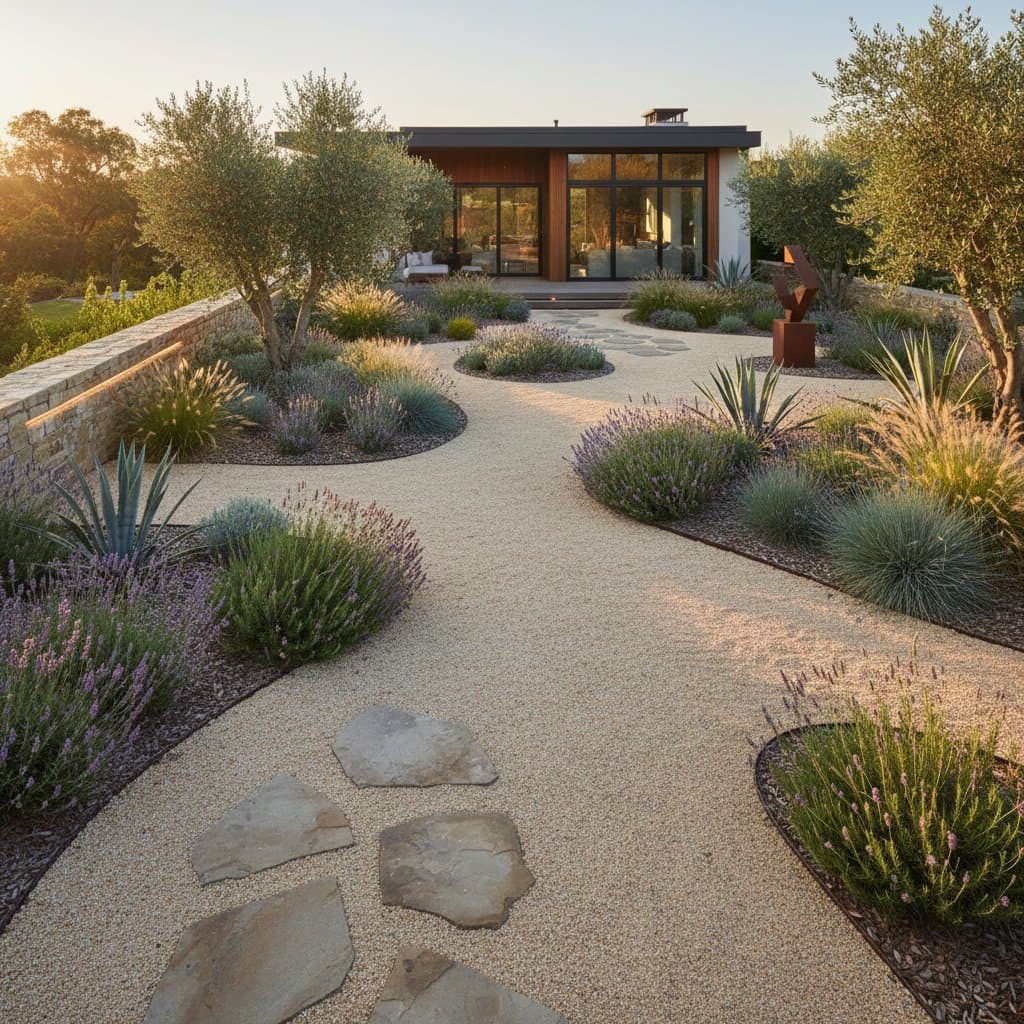
Gravel Gardens: Replace Lawns with Resilient, Low-Maintenance Landscapes
Elise and Martin purchased a compact suburban home attracted by its light-filled living room and spacious backyard. The existing lawn, however, proved challenging with its high water needs and uneven surface that required frequent mowing. They sought a garden that maintained visual appeal throughout the year, demanded little maintenance, and supported local wildlife. Landscape designer Priya Nand addressed these needs by converting the area into a gravel garden, resulting in a durable, textured space filled with color and subtle movement.
Designing for Sustainability and Style
Elise viewed their former lawn as a flat green expanse lacking vitality. The constant mowing and watering clashed with their busy schedule. They desired a natural-looking garden that evolved with the seasons and needed minimal oversight. Priya's design eliminated the turf in favor of gravel layers, sculptural plants, and defined stone borders.
Priya aimed to establish a dynamic living surface. Gravel provides texture, reflects sunlight, and fosters a stable microclimate for plants. The layout combines soft visual elements with structural definition, incorporating drought-resistant plants and freely draining soil.
Creating Cohesive Zones
The garden divides into three zones: a central seating area, perimeter planting borders, and a side path to an herb section. A uniform gravel surface links these areas, promoting unity across the design.
Central Seating Zone
The core features a circular patio edged by corten steel planters. Reclaimed granite pavers integrate seamlessly with the surrounding gravel. Teak lounge chairs and a coordinating table offer a serene setting for morning coffee or evening conversations.
Lavender, thyme, and blue fescue fill the planters, delivering fragrance and softening the rigid lines. Elise notes that the gravel contributes subtle sound and texture; footsteps produce a gentle crunch that enhances the sense of life in the space. Warm neutrals and soft greens align with their taste for tranquil, subdued colors.
Perimeter Planting Borders
Priya selected drought-tolerant plants suited to well-drained conditions for the borders. Key selections include:
- Perennials: Echinacea purpurea for purple daisy-like blooms, Salvia nemorosa for spikes of blue flowers, and Achillea millefolium for flat yellow clusters.
- Grasses: Stipa tenuissima with its fine, flowing foliage, Pennisetum alopecuroides for fluffy seed heads, and Miscanthus sinensis ‘Morning Light’ for arching variegated leaves.
- Shrubs: Santolina chamaecyparissus with silvery, aromatic leaves, Artemisia ‘Powis Castle’ for feathery silver-gray texture, and compact rosemary for evergreen structure.
These plants form informal drifts that blend as they mature. Differing heights and shapes generate motion in the breeze. The assortment draws pollinators like bees and butterflies, plus small birds, infusing the garden with activity year-round.
Herb Path Zone
A slim path borders a raised bed of stacked limestone blocks, mulched with gravel to retain soil moisture. Elise cultivates sage, oregano, and marjoram here, supplemented by compact cherry tomatoes during summer. The gravel surface maintains cleanliness, reducing mud and weed growth.
Principles of Gravel Garden Functionality
Gravel gardens operate as permeable systems that absorb rainwater, directing it into the soil to recharge groundwater and prevent erosion. The material also stabilizes soil temperatures, shielding roots from summer heat and winter chills.
Effective weed suppression relies on a landscape fabric base combined with thick planting. Weeds struggle to establish, requiring only occasional manual removal or targeted treatment. This approach suits Elise and Martin, who prioritize travel over intensive yard work.
Streamlined Maintenance Practices
Elise follows a simple routine. She rakes the gravel every few weeks to maintain evenness and clears fallen leaves to avoid decomposition. Annually, she adds a thin layer of fresh gravel to counteract compaction and refresh the texture.
Plant maintenance involves cutting back after flowering or in early spring to promote regrowth. A modest application of compost supplies essential nutrients. Watering limits to the establishment phase; the gravel mulch conserves moisture and protects roots.
Priya stresses balance for enduring results. Gravel gardens thrive on minimal intervention. Excessive watering or fertilization can upset the ecosystem's equilibrium.
Adapting Styles and Materials
Gravel gardens suit diverse aesthetics. Elise and Martin's version evokes a Mediterranean vibe through silver-leaved plants and warm gravel tones. In temperate zones, incorporate ferns, sedges, and ground covers for a woodland ambiance.
Urban settings benefit from bold stones paired with striking plants such as agaves or yuccas. Gravel color influences the mood: light shades illuminate shadows but may intensify sunlight; darker options retain warmth and complement modern elements like steel.
Vary gravel sizes and hues for depth, avoiding uniformity. To install, prepare the site by removing turf, laying fabric, and spreading 2-3 inches of gravel before planting.
Integrating the Garden into Daily Life
Several months post-installation, Elise characterizes the garden as an evolving sanctuary. The crunch of gravel, herbal aromas, and sunlight filtering through grasses now define their routine. The dogs relax on the shaded patio, and neighbors inquire about replicating the design.
The project achieved its objectives: water consumption plummeted, upkeep time diminished significantly, and the outdoor area became a true enjoyment. This resilient space harmonizes practicality with vitality.
Priya advises starting with lifestyle priorities. Select materials and plants that embody desired outdoor experiences. Intentional gravel use yields both utility and elegance.
Gravel gardens redefine verdant spaces without sacrificing lushness. They blend texture, durability, and subtle allure to demonstrate that simplicity enhances rather than diminishes a landscape's potential. Thoughtful execution turns modest yards into dynamic, nature-aligned retreats.