
Gravel Gardens: The Low-Maintenance Trend for 2026
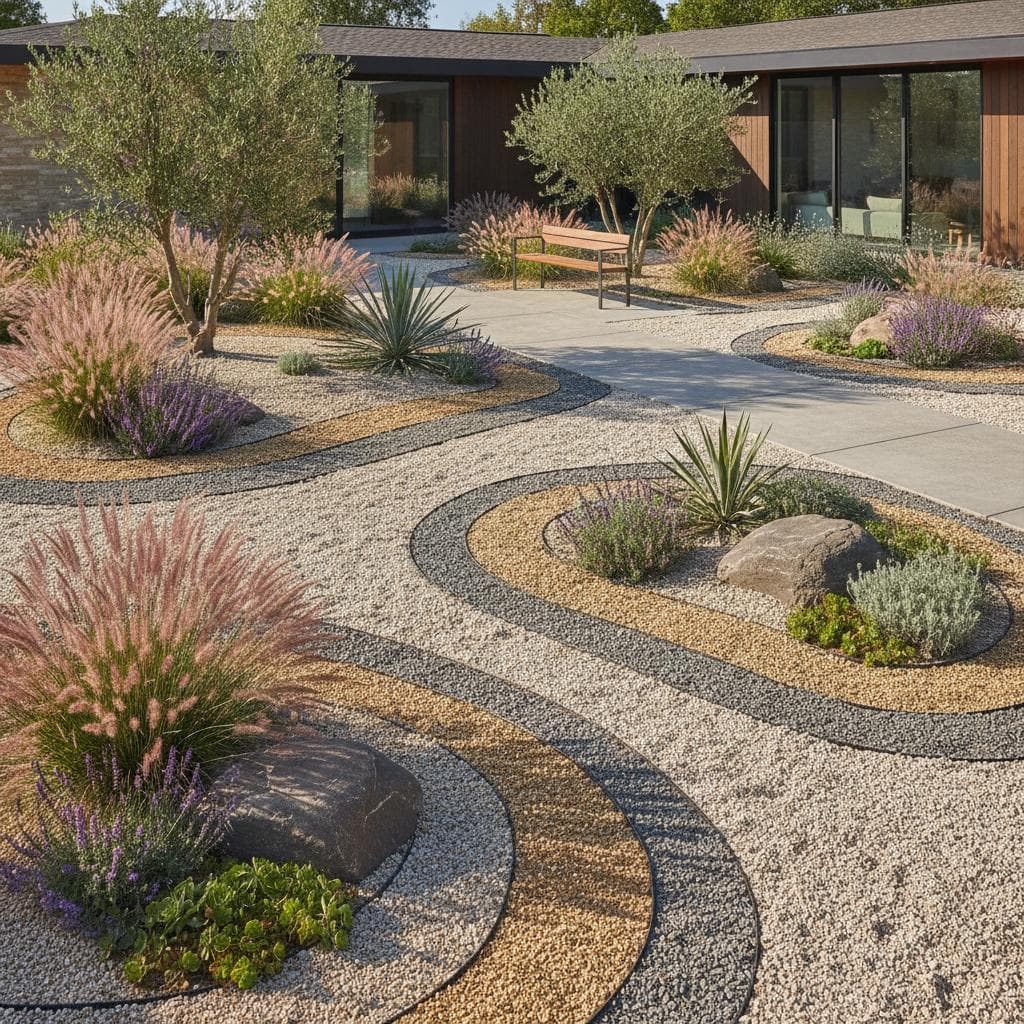
When landscape designer Emma Clarke met homeowners Daniel and Priya Lewis, they wanted a front garden that looked refined yet required almost no upkeep. Both worked long hours and wanted to conserve water without sacrificing interest or structure. The solution became a gravel garden that now feels organic, sculptural, and alive throughout the seasons.
A New Type of Garden
Gravel gardens are gaining attention as homeowners search for options that use fewer resources yet remain visually rich. The approach replaces lawns or high-maintenance planting beds with layers of gravel that serve both aesthetic and functional purposes. The surface suppresses weeds, improves drainage, and moderates soil temperature. Beneath the gravel lies a free-draining sub-base that allows roots to establish deeply while reducing the need for irrigation.
Emma said, "The goal was to create a living landscape that feels natural but stays neat without constant trimming or watering." For Daniel and Priya, that meant a garden that looked intentional but not overly designed.
Material Choices
Choosing the right gravel was central to the design. The team selected a 10-millimeter crushed limestone for its neutral color and firm compaction. It forms a stable walking surface that drains quickly after rainfall. The gravel depth is around 5 centimeters, deep enough to inhibit weeds but not so deep that plants struggle to anchor.
In higher-traffic areas, a compacted gravel base with a finer top layer ensures comfort underfoot. The steel edging keeps the gravel neatly contained, preventing it from spilling onto the pavers. The corten steel warm tone also echoes the color of the homeowners front door, tying the exterior palette together.
For seating, a reclaimed teak bench sits beside a low gabion wall filled with river stones. This detail adds another texture while marking the transition between the public and private zones of the garden.
Water and Maintenance
A key advantage of gravel gardens lies in their efficiency. Once plants are established, irrigation is rarely needed except during extended dry periods. Emma designed a hidden drip-line system under the gravel for targeted watering in the first growing season. After that, rain alone maintains most of the plantings.
Weeding is minimal. The gravel suppresses most germination, and any stray seedlings are easy to pull. Fallen leaves are raked occasionally to keep the surface clean. Fertilizing is unnecessary since the selected plants prefer lean soil conditions.
This simplicity makes gravel gardens appealing to busy homeowners and those committed to water conservation. The gravel also prevents soil compaction, keeping roots healthy over time.
Extending the Idea
The success of the front garden inspired Daniel and Priya to continue the approach in their side yard, where they replaced a patchy lawn with a mix of gravel and potted plants. The continuity of materials makes the property feel cohesive. Gravel gardens also adapt well to small urban courtyards, rooftop terraces, or large rural plots. The principles remain the same: good drainage, drought-tolerant planting, and a restrained but layered palette.
For those considering a similar project, Emma offers a few practical tips:
- Test your soil. Gravel gardens work best on free-draining ground. If your soil is heavy, add grit or sand before laying the gravel.
- Choose plants wisely. Look for species that thrive in poor soil and full sun. Avoid those that need constant moisture.
- Plan for structure. Paths, edging, or focal features prevent the space from looking random.
- Limit color variety. A restrained palette makes the garden feel calm and cohesive.
- Start small. Even a small gravel strip beside a driveway can show how effective the look can be.
Living with Your Design
Months after completion, Daniel and Priya describe their gravel garden as both practical and restorative. They spend quiet mornings outside with coffee, watching bees move between the flowers. The space feels intentional yet relaxed, shaped by design but guided by nature.
A gravel garden offers more than visual order. It provides a sustainable way to enjoy greenery with minimal effort and water use. Each season reveals new patterns of light, shadow, and growth.