
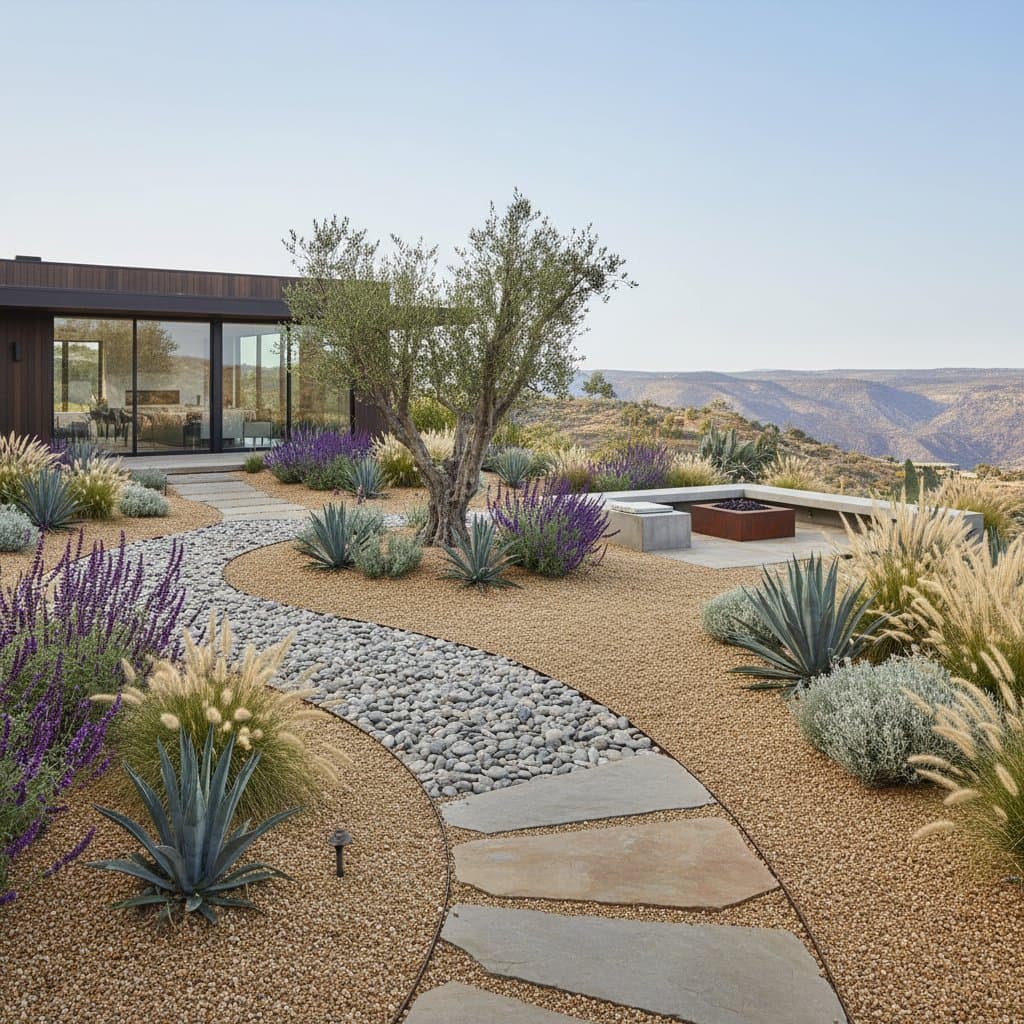
Gravel Gardens: Sustainable Elegance for Modern Landscapes
Gravel gardens represent a deliberate shift in landscape design, emphasizing texture, environmental stewardship, and enduring appeal. Homeowners who desire refined outdoor areas without constant labor find in these gardens a practical solution. In California's diverse climates, from coastal fog to inland heat, gravel gardens deliver sophistication alongside resilience, fostering spaces that enhance daily life with minimal demands.
This design choice aligns with broader trends toward resource-efficient living. By forgoing water-intensive turf, gravel gardens promote biodiversity and reduce urban heat islands. The result is an outdoor environment that supports local ecosystems while providing a serene backdrop for relaxation or gatherings.
The Advantages of Adopting Gravel Gardens
Conventional lawns demand substantial resources, including frequent irrigation, mowing, and chemical applications that strain both budgets and the environment. Gravel gardens counteract these challenges by establishing a permeable surface that retains moisture and suppresses weed growth. This foundation supports a selection of resilient plants, ensuring year-round visual interest without seasonal die-off.
The aesthetic benefits extend to versatile styling options. Neutral gravel tones pair seamlessly with architectural elements, from mid-century modern facades to Mediterranean-inspired patios. Moreover, these gardens contribute to water conservation efforts, particularly vital in regions facing drought restrictions. Studies from local extension services indicate that such designs can cut outdoor water use by up to 75 percent compared to traditional turf.
Sustainability drives further appeal. Gravel gardens minimize soil disturbance, preserving microbial life and preventing erosion. They also serve as habitats for beneficial insects and birds, enhancing garden vitality. For urban dwellers, this approach maximizes limited space, turning compact yards into multifunctional retreats.
Essential Steps for Creating a Gravel Garden
Effective gravel garden design starts with site evaluation. Measure exposure to sunlight across the day, test soil drainage by observing water infiltration rates, and identify any slopes that might affect gravel stability. Prepare the area by removing sod and incorporating amendments like compost to improve underlying soil health, even if plants will root sparingly.
Select gravel types suited to your vision: pea gravel for a soft, walkable surface or crushed stone for sharper definition. Aim for sizes between 1/8 inch and 3/4 inch to balance drainage and aesthetics. Install a geotextile fabric beneath to deter weeds while allowing water passage.
Core components to integrate include:
-
Layered textures for depth. Pair fine gravel with coarse aggregates and intersperse with plants featuring varied foliage, such as the fuzzy leaves of stachys byzantina or the feathery fronds of festuca glauca. These combinations create shadows and highlights that evolve with sunlight angles.
-
Structural boundaries for organization. Employ corten steel edging for a contemporary edge or reclaimed brick for warmth. These elements not only contain gravel but also guide foot traffic, preventing scatter and simplifying cleanup.
-
Strategic plant selection. Opt for California natives like ceanothus for evergreen structure, eriogonum for seasonal blooms, and sedum for ground-level coverage. Group plants by water requirements to optimize efficiency; for instance, place thirstier specimens near irrigation points.
-
Dynamic height and form. Incorporate mid-height shrubs such as leucadendron alongside low mats of thymes, and accent with vertical elements like agave sentinels. This progression adds scale and prevents monotony, drawing the eye through the composition.
-
Integrated hardscape features. Add stepping stones or boulders to facilitate access and introduce focal points. These durable additions withstand foot traffic and weather, enhancing usability without complicating care.
Refinement comes through iteration. Sketch layouts on graph paper, considering views from indoor spaces, and prototype small sections to test material harmony. Professional consultation can address unique site challenges, ensuring long-term success.
Streamlined Maintenance Practices
Gravel gardens excel in simplicity, requiring far less intervention than sod-based alternatives. Schedule quarterly raking to redistribute gravel and eliminate accumulated leaves or twigs. Employ a shop vacuum for deeper cleaning in high-traffic zones, preserving the surface's evenness.
Weed management remains straightforward. The gravel mulch layer inhibits seed germination, but occasional hand-pulling addresses breakthroughs. For persistent issues, a solution of horticultural vinegar diluted with water targets foliage without harming soil biology. Avoid synthetic herbicides to maintain ecological integrity.
Irrigation systems enhance efficiency. Install low-flow drip lines buried under the gravel, connected to a timer that adjusts for seasonal rainfall. Monitor plant health through visual cues like leaf wilting, adjusting output as roots establish. Supplemental feeding with slow-release, organic fertilizers every six months sustains vigor without excess.
Pruning focuses on shape rather than volume. Trim spent flowers from perennials in spring and remove deadwood from shrubs annually. These light tasks, often completed in under an hour, keep the garden tidy and promote fresh growth.
Evolving with Your Gravel Garden
Over time, gravel gardens develop a patina of maturity. Plants self-seed modestly, filling gaps with natural abundance, while gravel compacts into inviting paths. Seasonal shifts bring new dimensions: spring wildflowers punctuate the palette, summer heat tempers colors to soothing neutrals, and winter reveals structural bones.
Engage with the space through mindful additions. Introduce movable furniture for al fresco dining or install subtle lighting to extend evening enjoyment. These enhancements amplify the garden's role as a living extension of home.
Ultimately, a gravel garden embodies intentional living. It conserves resources, nurtures biodiversity, and delivers aesthetic pleasure with ease. For California residents, this design choice harmonizes with regional conditions, creating outdoor sanctuaries that endure and inspire.