
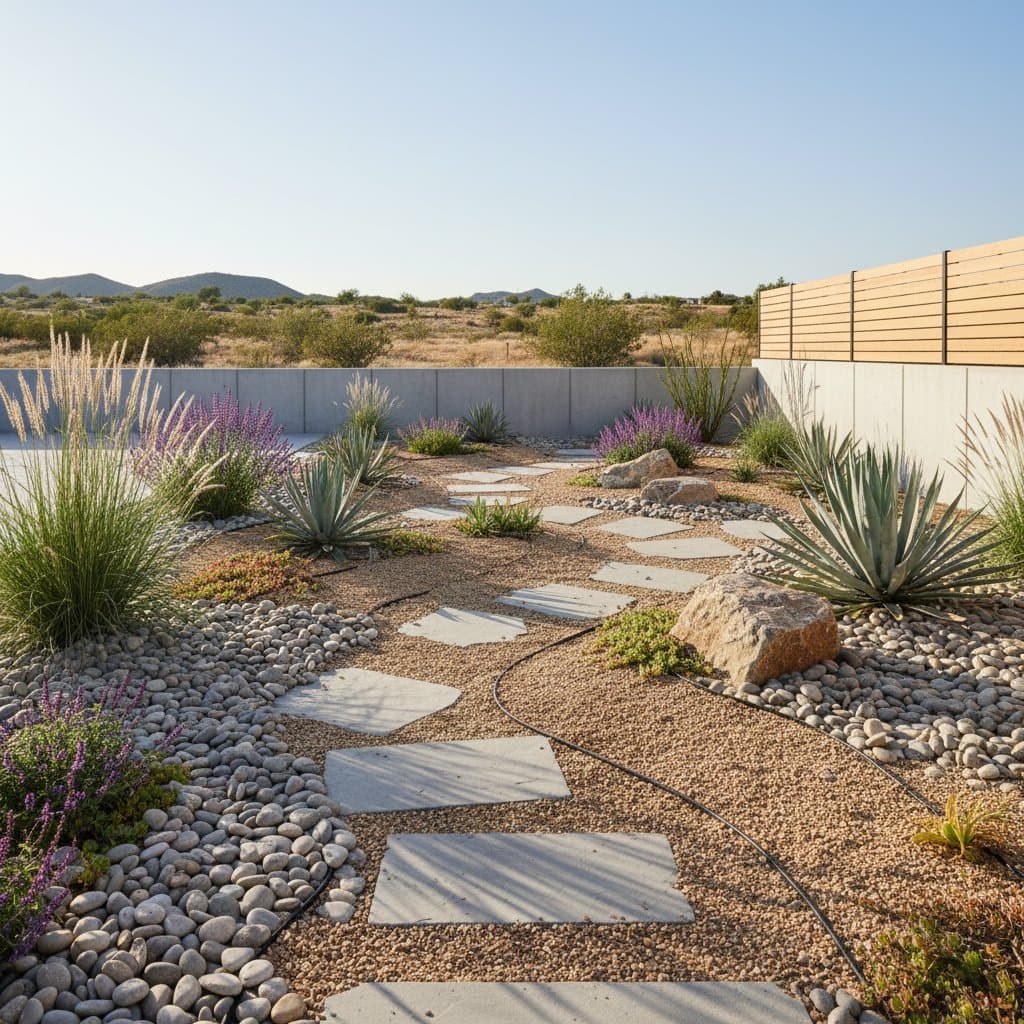
The Rise of Gravel Gardens in Modern Landscaping
Gravel gardens represent a transformative approach to outdoor design, shifting away from conventional mulch applications toward durable, stone-based landscapes. These gardens utilize various sizes and colors of gravel to create textured, visually appealing surfaces that mimic natural environments. Homeowners and landscape professionals increasingly adopt this method for its resilience in challenging conditions, particularly in regions prone to drought or heavy rainfall.
Traditional mulch, while effective for moisture retention, often decomposes over time, requiring frequent replacement and potentially harboring pests. Gravel, by contrast, provides a stable foundation that endures seasons without degradation. This durability aligns with sustainable practices, reducing the need for ongoing material purchases and labor.
Key Benefits of Gravel Over Mulch
Gravel gardens offer multiple advantages that enhance both functionality and aesthetics. First, they excel in water conservation. Unlike mulch, which can absorb and hold excess moisture, gravel allows water to percolute through to the soil, minimizing evaporation and supporting efficient irrigation in arid areas.
Second, weed suppression proves superior with gravel. A thick layer of stones blocks sunlight, preventing weed seeds from germinating, which reduces the time spent on manual removal or chemical applications. This feature proves especially valuable in larger garden beds where maintenance challenges arise.
Third, improved drainage prevents issues like root rot in plants. Gravel facilitates quick water runoff, keeping soil aerated and healthy. In wet climates, this quality avoids pooling that might damage structures or pathways.
Additionally, gravel contributes to design versatility. Available in hues from soft grays to vibrant reds, it complements diverse architectural styles and plant selections. Over time, the texture evolves subtly with settling, adding depth without the fading common in organic mulches.
Planning Your Gravel Garden Design
Effective planning ensures a gravel garden meets specific site needs and aesthetic goals. Begin by assessing the space: consider sunlight exposure, soil type, and foot traffic. For sunny, dry spots, opt for coarser gravel that provides better stability; finer varieties suit shaded or decorative areas.
Next, define the garden's purpose. Will it serve as a pathway, border, or full bed? Sketch a layout incorporating curves or geometric patterns to guide visual flow. Integrate hardscape elements like boulders or edging to contain the gravel and prevent shifting.
Budget plays a crucial role. Gravel costs vary by type and quantity, but initial investment yields long-term savings through reduced upkeep. Source materials from local suppliers to minimize transportation impacts and ensure compatibility with regional climates.
Choosing the Right Gravel and Materials
Selection of gravel influences the garden's performance and appearance. Pea gravel, small and rounded, offers a smooth, contemporary look ideal for meditative spaces. Crushed stone provides angular edges for better interlocking, enhancing stability in high-use areas.
Decomposed granite serves as a finer alternative, compacting into a firm surface suitable for patios. Consider color coordination: neutral tones blend seamlessly with native plants, while contrasting shades highlight focal points.
Underlayment materials prove essential for longevity. Install landscape fabric beneath the gravel to further deter weeds while allowing water passage. For added durability, incorporate a geotextile barrier in sloped areas to reduce erosion.
Pairing Gravel with Drought-Tolerant Plants
Successful gravel gardens thrive with plants adapted to low-water conditions. Succulents like agave and sedum store moisture in their leaves, requiring infrequent watering once established. Ornamental grasses such as blue fescue add movement and texture without demanding rich soil.
Perennials including lavender and yarrow bring color and fragrance, their roots penetrating gravel to access underlying moisture. Native species, like California poppy in western regions, enhance biodiversity and reduce regional water demands.
Arrange plants strategically: cluster them in pockets amid the gravel to create natural drifts. This technique mimics wild landscapes, promoting ecological balance. Space according to mature size to avoid overcrowding, ensuring each plant receives adequate airflow and light.
Step-by-Step Installation Guide
Creating a gravel garden involves straightforward steps for professional results. Prepare the site by clearing existing vegetation and debris. Till the soil lightly to level the surface, then amend with compost if drainage needs improvement.
-
Lay down landscape fabric, securing it with stakes to cover the entire area.
-
Add a border using metal, plastic, or stone edging to define boundaries and contain gravel.
-
Spread gravel evenly, starting with a base layer of larger stones if multi-tiered depth is desired, then topping with finer material. Aim for 2 to 4 inches of depth for optimal coverage.
-
Plant selected species by cutting slits in the fabric and digging holes through to the soil. Backfill around roots with gravel, firming gently to eliminate air pockets.
-
Water thoroughly after planting to settle materials and encourage root establishment. Monitor for the first few weeks, adjusting as plants acclimate.
Minimal Maintenance for Maximum Impact
One of the greatest appeals of gravel gardens lies in their low-maintenance nature. Annual tasks include raking to redistribute stones and removing any stray weeds that penetrate the barrier. Replenish gravel sparingly, perhaps every few years, to maintain thickness.
Prune plants seasonally to control growth and remove dead foliage, promoting vigor. In winter, clear leaves to prevent matting, but avoid over-cleaning to preserve natural patina.
Pest issues rarely arise due to the inhospitable surface, but inspect for ants or slugs near plant bases. Organic deterrents suffice if needed, aligning with eco-friendly principles.
Building Enduring Landscapes with Gravel
Gravel gardens deliver lasting value by combining practicality with visual elegance. They withstand environmental stresses, from scorching summers to frosty winters, fostering resilient outdoor areas. Property owners enjoy enhanced curb appeal that appreciates over time, without the recurring costs of mulch renewal.
Beyond aesthetics, these designs support broader sustainability efforts, conserving resources and inviting wildlife. Whether for a suburban yard or urban plot, gravel gardens empower individuals to craft spaces that endure, blending human ingenuity with nature's efficiency.