
2026 Trend: Gravel Patios as a Smart Alternative to Concrete
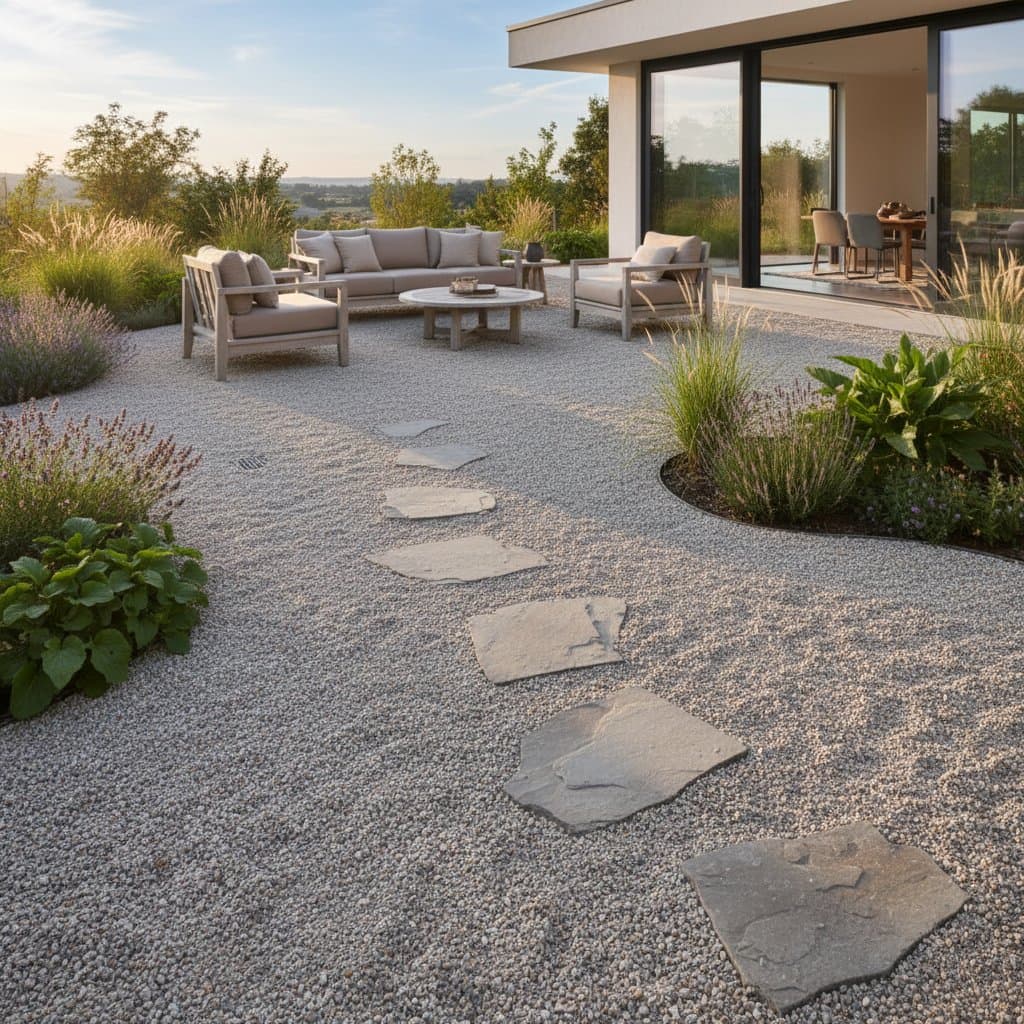
The Thompson family sought to revitalize their backyard into a natural, budget-friendly retreat. They opted for a gravel patio over replacing their aging concrete slab. This choice created an inviting space that harmonizes with surrounding greenery and supports casual outdoor living.
Project Overview
- Homeowners: The Thompson family
- Setting: Suburban yard featuring established trees and flower beds
- Patio Dimensions: 400 square feet
- Design Firm: Greenfield Outdoor Studio
- Installation Team: Mason & Yard Collective
- Design Approach: Modern natural style emphasizing fluid transitions to garden areas
Exploring Gravel as an Outdoor Surface
Design professionals increasingly recommend gravel patios for residential landscapes. This preference stems from gravel's affordability, effective water management, and adaptability to evolving yard layouts. Unlike rigid concrete, gravel permits straightforward adjustments without extensive demolition.
Emma Greenfield, lead designer at Greenfield Outdoor Studio, notes, "Homeowners prioritize versatility. Gravel delivers that quality while maintaining a refined appearance."
For the Thompsons, gravel resolved issues with their cracked, faded concrete. The new surface provides a gentle texture ideal for bare feet and accommodates garden chairs effortlessly. It establishes a deliberate yet relaxed ambiance that encourages daily use.
Selecting Materials and Installation Process
Installers prepare gravel patios with a stable foundation to ensure longevity. Begin by excavating the area to a depth of six inches, then add a four-inch layer of crushed stone for compaction. Top this with a two-inch layer of pea gravel to form the walking surface.
The Thompsons chose quarter-inch pea gravel in a warm gray hue to match their cedar fence and dining furniture. Rounded stones enhance foot comfort and reduce shifting under weight. Steel edging secures the perimeter, preventing gravel from spilling into nearby plantings.
Essential components include:
- Foundation: Compacted crushed limestone for stability
- Surface: Quarter-inch pea gravel for smooth texture
- Containment: Powder-coated steel borders for clean lines
- Complementary Elements: Teak table paired with resin-woven chairs
- Illumination: Matte black low-voltage lights along pathways
To install, level the base with a tamper, spread gravel evenly, and rake for uniformity. This method typically requires one to two days for a 400-square-foot area, depending on site preparation.
Key Advantages Compared to Concrete
Concrete provides long-term strength, yet its installation demands significant investment and specialized tools. Over years, it may develop cracks from soil movement or weather exposure. Gravel avoids these challenges through simple upkeep and targeted fixes.
Address uneven spots by raking displaced stones and adding fresh gravel as needed. This process takes mere minutes and costs far less than concrete repairs. Homeowners save 30 to 50 percent on initial expenses, with gravel projects often under $10 per square foot.
Drainage represents a primary benefit. Gravel permits water to percolate through, minimizing puddles and foundation erosion common with impermeable concrete. In hot regions, the material remains cooler by reflecting heat, offering relief for family pets and active children.
Greenfield adds, "Designs must support practical lifestyles. Gravel empowers adaptations without disruptive renovations."
Integrating Gravel into Landscape Styles
Gravel enhances diverse garden aesthetics, from wild native meadows to sleek contemporary setups. It serves as a neutral base that highlights plantings, wooden accents, or metal features like corten steel planters. In the Thompson landscape, the patio links a lounge area to elevated garden beds and a compact fire feature, fostering seamless movement.
Select gravel colors strategically: light shades illuminate dim corners, while deeper tones ground expansive zones. Combine particle sizes for added grip, particularly around high-traffic spots or furniture placements. For example, incorporate larger stones near edges to bolster stability.
To customize, test samples in natural light and consider regional availability. Local suppliers often provide blends suited to soil types, ensuring the surface withstands freeze-thaw cycles.
Experiencing Daily Benefits in Action
Several months post-installation, the Thompsons report transformed backyard habits. They entertain guests outdoors weekly, drawn by the patio's welcoming feel. Maintenance involves weekly raking to redistribute stones, keeping the area pristine with minimal effort.
The subtle crunch underfoot enhances evening strolls, adding sensory appeal. Gravel's permeability supports healthier lawns by reducing water pooling. For families pursuing sustainable choices, this surface reduces environmental impact through recycled materials and lower resource use during creation.
Homeowners considering updates will find gravel patios deliver enduring value. They combine economic sense with functional design, inviting relaxed, nature-connected living year-round.