
Edible Front Yards: HOAs Greenlight Food Gardens
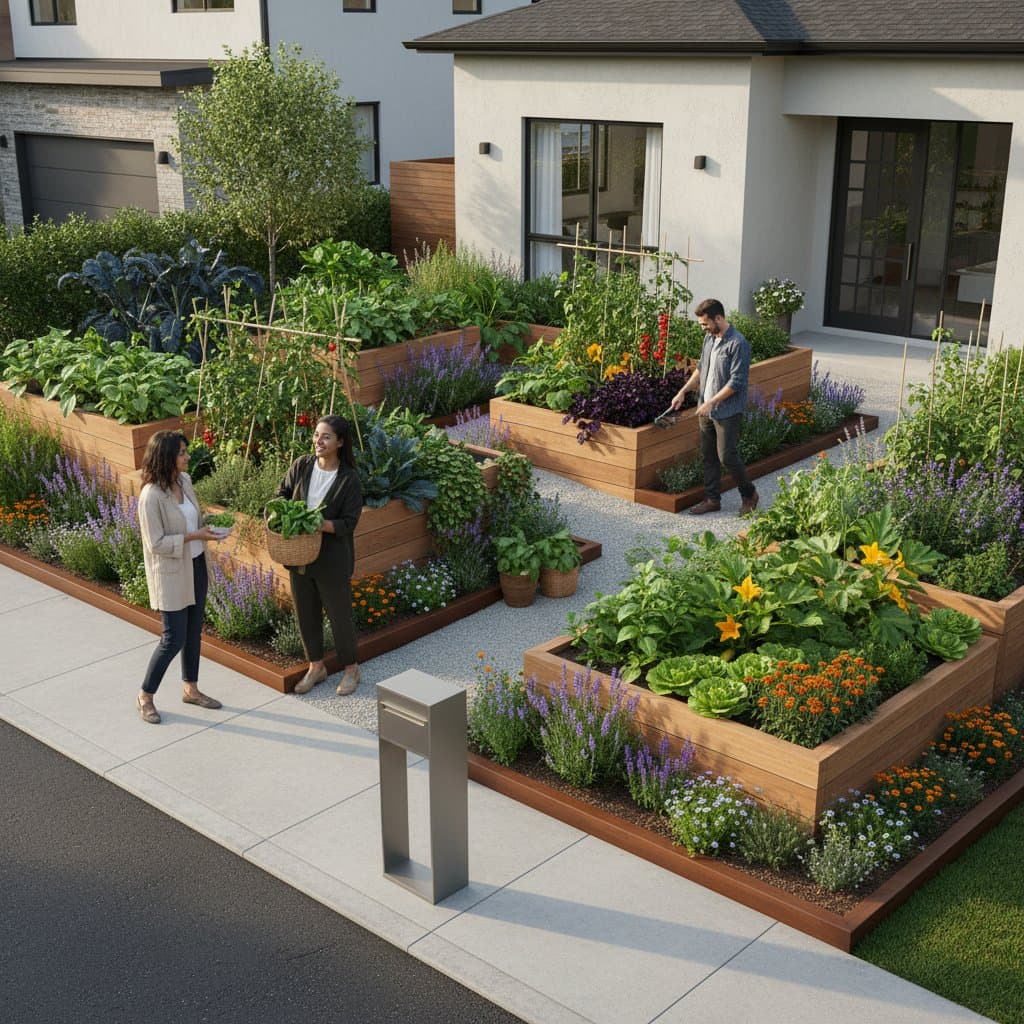
When Priya and Daniel moved into their suburban home, they sought more than mere curb appeal. They aimed to cultivate food in a visible location where neighbors could observe, share, and discuss it. Their vision involved replacing the water-intensive lawn with elevated beds of herbs and vegetables that appeared deliberate rather than haphazard. After securing approval from their homeowners association, the couple converted a standard front yard into a functional garden that integrates seamlessly with the surrounding neighborhood.
This transformation demonstrates how edible landscapes can enhance both aesthetics and utility. Homeowners increasingly pursue such designs to reduce reliance on traditional lawns, promote sustainability, and foster community interactions. The key lies in balancing productivity with visual harmony to satisfy regulatory standards.
Guided Tour
The Entry Path
The initial concrete walkway felt confined and lacked warmth. Now, it stands flanked by cedar planters brimming with rosemary, thyme, and sage. These herbs emit a gentle aroma upon contact, elevating the routine approach to the entrance into an engaging sensory journey. The planters feature powder-coated steel edging that complements the modern black front door of the home.
Landscape designer Luis Ortega notes, "Herbs serve as an ideal bridge between decorative and functional elements. They maintain a tidy appearance, require minimal upkeep, and encourage regular interaction."
To replicate this effect, select compact herb varieties that thrive in partial shade near pathways. Position them at knee height to avoid overshadowing the path while ensuring easy access for harvesting. This setup not only softens the transition from sidewalk to door but also introduces year-round greenery.
The Main Garden Beds
Further along, four elevated beds anchor the front yard. Each structure uses rough-sawn cedar treated with a clear matte sealant for durability and a natural look. The layout echoes the rectangular proportions of the home's windows, establishing visual equilibrium and flow. Inner beds host tomatoes, peppers, and bush beans, chosen for their upright growth and vibrant colors. Outer beds accommodate kale, lettuce, and chard, enabling successive harvests throughout the growing season.
A narrow path of gray pea gravel separates the beds, facilitating straightforward navigation. This material aligns with the driveway's hue and promotes swift water runoff. Beneath a light mulch covering, drip irrigation tubing delivers precise watering, minimizing evaporation and concealing the infrastructure.
For optimal results, space beds at least three feet apart to allow comfortable movement and equipment access. Incorporate companion planting, such as basil near tomatoes, to deter pests naturally and maximize space efficiency. Rotate crops annually to preserve soil health and prevent nutrient depletion.
The Perimeter Border
A unified border of edible perennials encircles the garden, ensuring it blends into the broader landscape. Blueberry bushes and compact fig trees intersperse with lavender clusters, offering sustenance for pollinators and a gentle textural contrast. This arrangement elevates the space beyond a mere vegetable patch into a cohesive outdoor composition.
Strategic lighting enhances usability after dusk. Low-voltage fixtures along the paths illuminate key features without harshness. Each unit employs warm white bulbs diffused through frosted glass, casting a soft glow that respects neighboring properties.
Extend the border with additional low-maintenance options like strawberry groundcover or currant shrubs. These choices provide seasonal interest, from spring blooms to autumn berries, while adhering to height restrictions common in front-yard designs.
Working with the HOA
Homeowners associations often mandate that visible areas retain an ornamental quality, typically requiring at least half the landscape to avoid a utilitarian feel. The design team addressed this by integrating edibles within an artistic framework. Consistent spacing, uniform materials, and intentional edging convinced reviewers of the plan's sophistication.
Luis Ortega submitted a comprehensive planting schematic, including crop rotation schedules to illustrate year-round appeal. The board valued this foresight and granted approval without reservations.
Homeowners facing comparable constraints can follow these strategies:
-
Employ precise geometry. Align beds and paths with architectural lines to project intentionality and control.
-
Incorporate evergreen elements. Species like boxwood hedges or rosemary maintain form during dormant periods.
-
Control plant heights. Position vigorous growers, such as corn or sunflowers, centrally to avoid visual disruption from the street.
-
Integrate ornamental companions. Add grasses or perennials that bloom alongside edibles for layered interest.
-
Document maintenance plans. Provide sketches showing off-season care to build confidence in long-term viability.
Present proposals early and engage board members with mockups or site visits to similar installations. This proactive approach often smooths the approval process.
Living with Your Design
Several months post-installation, Priya and Daniel's front yard has emerged as a neighborhood focal point. Residents pause to inquire about seed sources or exchange cooking ideas. Schoolchildren pluck ripe cherry tomatoes during their walks home, sparking curiosity about gardening.
The design proves low-effort in practice. Automated drip irrigation and mulch layers cut down on manual watering and weed control. Replanting occurs over a single weekend, often with volunteer assistance from friends. The family intends to install a modest cold frame next year, prolonging access to fresh greens.
Such projects reveal the potential for front-yard edibles to align with aesthetic guidelines, regulatory demands, and social norms. Thoughtful execution allows these gardens to grace entryways, spark dialogues, and supply meals, ultimately enriching daily life and local connections.