
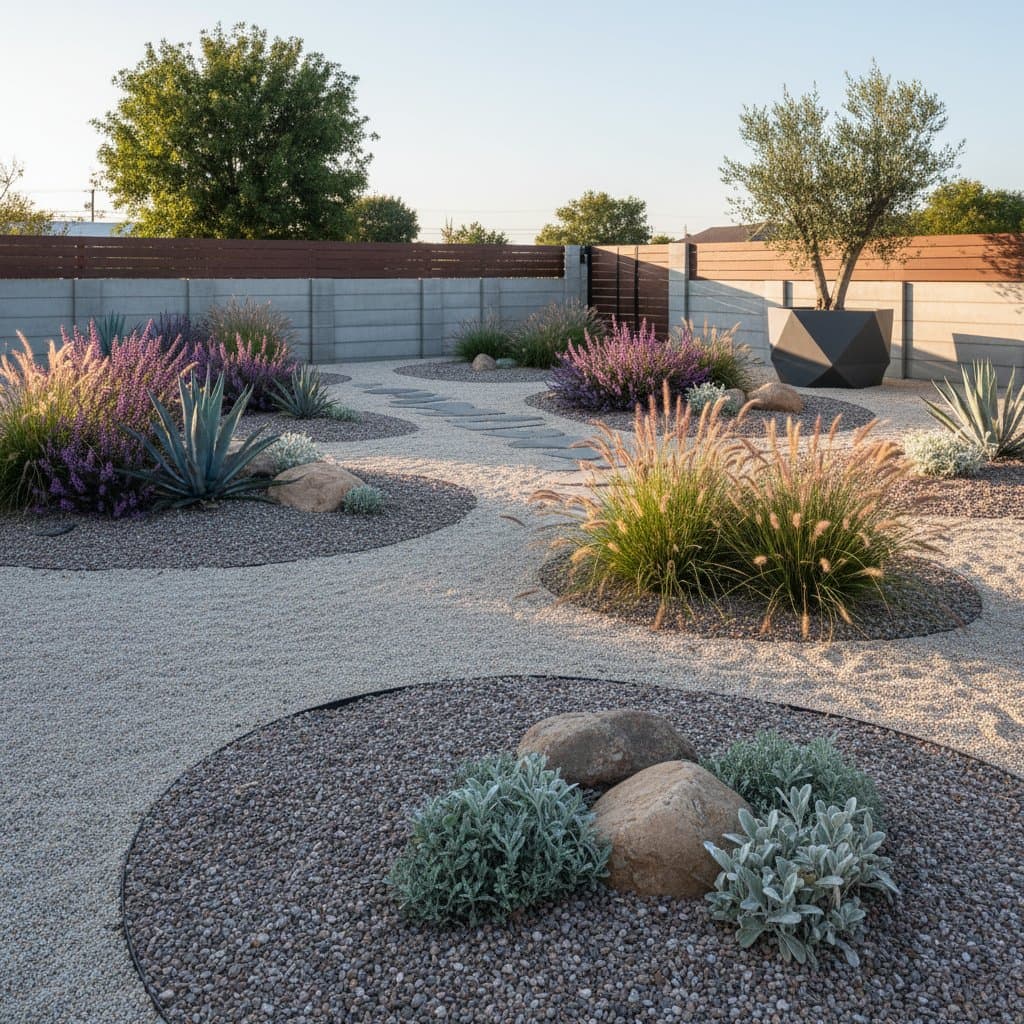
Gravel Gardens Emerge as the Premier Mulch Alternative for 2026
Gravel gardens gain prominence in 2026 as homeowners and landscape designers seek low-maintenance options that conserve water while maintaining visual appeal. These designs respond to variable weather conditions and emphasize sustainability. Gravel provides a durable, attractive substitute for organic mulch, accommodating both dry spells and heavy rains with a contemporary, versatile aesthetic.
Unlike organic mulch that decomposes over time, gravel offers enduring texture and stability. It promotes healthy plant growth, enhances drainage, and minimizes ongoing care. Professionals apply gravel gardens in urban courtyards and expansive rural properties alike, achieving harmony between form and function.
Key Characteristics
Suitable Locations: Areas with adequate drainage in various regions
Scalability: From compact planters to expansive yard designs
Optimal Climates: Arid and temperate environments
Primary Objectives: Lower maintenance demands and foster durable plant selections
1. Establish Visual Depth Through Layered Gravel Textures
Effective gravel gardens rely on intentional layering to avoid a barren appearance. Combine gravel in varying sizes, shapes, and colors to build dimension and captivate the eye. For instance, employ fine decomposed granite for pathways and bolder pea gravel or river rocks to border beds or cover larger expanses.
Select regionally sourced stone to maintain an authentic color scheme and lower shipping expenses. Light gravel complements silver-leaved plants such as Artemisia or lamb's ear, fostering a unified, light-reflective composition. Darker gravel enhances grasses and evergreens, introducing contrast and a calming effect.
Visual Suggestion: Pale gravel gleams beneath the branches of a desert willow during afternoon sunlight.
2. Select Drought-Resistant Plants for a Vital Garden
Appropriate plant choices elevate gravel from mere ground cover to a dynamic habitat. Opt for perennials, herbs from Mediterranean climates, and native grasses that flourish in well-drained, nutrient-sparse soils. These selections ensure the garden remains vibrant with limited intervention.
Consider lavender, thyme, yarrow, and grasses like blue fescue or little bluestem for reliable performance. Incorporate succulents including sedum and agave for architectural interest. Cluster plants by hydration requirements to simplify care and promote sustained vitality.
A landscape specialist notes: “Gravel supports plants intelligently, allowing roots to access air while suppressing weeds.”
Surrounding these plants with gravel reduces moisture loss and avoids soil packing. As the arrangement matures, it develops an organic flow that requires little adjustment.
Visual Suggestion: Lavender and thyme cascade softly across a gravel walkway, merging path and planting seamlessly.
3. Enhance Water Management and Soil Vitality
Gravel excels in regulating moisture, surpassing organic mulch by permitting free circulation of air and water. This approach averts root diseases and suits plants adapted to dry conditions. Proper installation amplifies these benefits.
Prepare the foundation with a compacted layer of sand or crushed stone to ensure stability and permeability. In clay-heavy soils, slope the terrain gently or install underground drainage. These steps prevent waterlogging and sustain soil integrity.
A contractor observes: “Effective drainage distinguishes a successful gravel garden from one prone to failure; preparation equals the final result in importance.”
In regions with abundant rainfall, integrate gravel into rain gardens featuring bioswales or simulated creek beds. Such features collect and purify stormwater, releasing it gradually into the earth.
Visual Suggestion: A gentle swale of assorted gravel directs rainfall to surrounding native grasses and rushes.
4. Delineate Spaces Using Gravel as a Versatile Element
Gravel serves dual purposes as flooring and divider, facilitating clear organization of exterior areas. It outlines patios, frames planting zones, or indicates shifts from cultivated to open ground. The material's inherent texture provides definition without barriers.
Apply compacted decomposed granite for trafficked paths and coarser gravel for stationary features like lounging spots. Embed concrete or stone pavers within the gravel to create patterns and improve footing near doors or decks.
A designer comments: “Gravel structures spaces through tactile and auditory cues, eliminating the need for enclosures.”
The characteristic crunch underfoot enhances the experience, signaling entry into a unique garden segment.
Visual Suggestion: A gravel-paved terrace, edged with low steel, accommodates a bistro table beneath a pergola.
5. Achieve Harmony Between Open Areas and Plant Coverage
Balance exposed gravel with strategic planting to prevent a stark or overcrowded feel. Excessive gravel appears severe, while dense foliage obscures the surface's appeal. Distribute plant clusters amid gravel expanses to highlight both elements.
In spacious properties, intersperse thickly planted sections with wide gravel planes. For compact sites, elevate soil in beds or mounds to introduce verticality and variety. Mature plants naturally expand, refining boundaries over seasons.
A horticulturist advises: “Superior gravel gardens develop organically, with plants forming an evolving tapestry of open and filled spaces.”
Visual Suggestion: Sedum and prairie dropseed weave through gravel elevations, crafting a fluid textural transition.
Sustaining and Enjoying Your Gravel Garden
Gravel gardens demand minimal attention post-installation. Rake surfaces periodically to refresh appearance, and perform light weeding after initial establishment. Refresh gravel layers every few years to preserve vibrancy and depth.
Homeowners appreciate the low effort required for consistent elegance. Gravel withstands fading and seasonal replacement, unlike bark mulch. It accommodates evolving plantings, weather variations, and delivers a perennial blend of modernity and nature.
Applicable to intimate patios or vast estates, gravel gardens convert functional design into enduring aesthetic pleasure.