
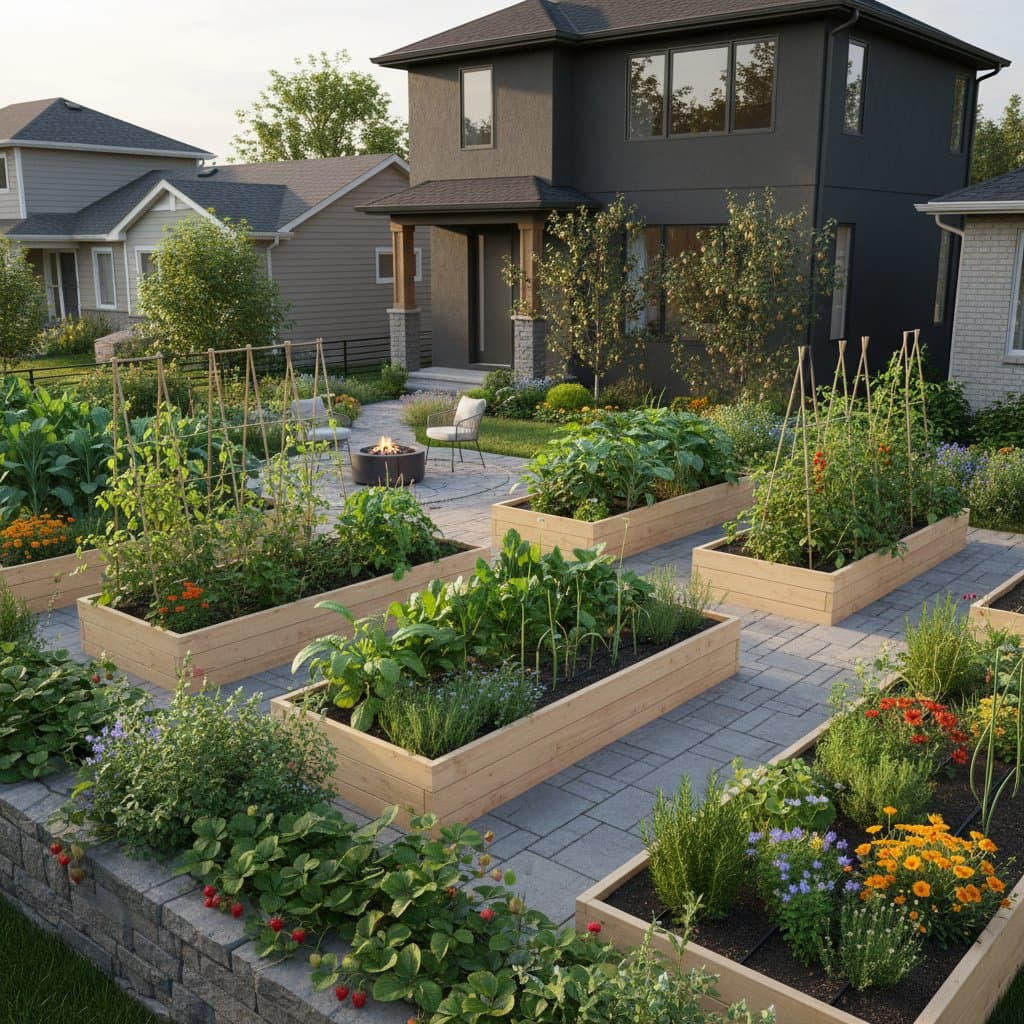
Zoning Changes Unlock Edible Potential in Front Yards
Front yards traditionally acted as ornamental spaces separating homes from streets. Recent zoning adjustments now permit homeowners to repurpose these areas into functional edible gardens that enhance both beauty and utility. This evolution introduces vibrant colors, varied textures, and opportunities for neighborly exchanges directly at the property edge.
Homeowners benefit from gardens that produce food while maintaining an inviting appearance. These designs replace uniform grass with dynamic, evolving landscapes that support household needs and foster environmental stewardship.
At a Glance
Location: Urban and suburban residential areas
Size: Lots ranging from 1,000 to 5,000 square feet
Climate Zone: Adaptable to temperate, Mediterranean, or humid regions with seasonal adjustments
Project Goal: Integrate aesthetic enhancement with ongoing food yields
1. Plan a Structured Layout for Maximum Impact
Effective planning forms the foundation of any successful front-yard edible garden. Begin by assessing sunlight patterns, soil quality, and water access across the space. Sketch a layout that divides the yard into zones: allocate sunny spots for fruiting vegetables like tomatoes and peppers, while reserving shadier areas for greens such as lettuce and kale.
Incorporate pathways of gravel or permeable pavers to guide foot traffic and prevent soil compaction. Position raised beds or in-ground plots to define boundaries and elevate plants above potential flooding. This structured approach ensures accessibility for harvesting and weeding, while creating a sense of order that complements the home's facade.
Consult local zoning guidelines early to confirm permissible plant heights and coverage ratios. Many municipalities now allow up to 50 percent of the front yard for edibles, provided they maintain a tidy appearance. A well-planned layout not only complies with regulations but also maximizes productivity without overwhelming the space.
2. Layer Plants for Depth, Interest, and Continuous Harvest
Layering plants builds visual depth and ensures harvests throughout the seasons. Position tall structures like bamboo stakes or arbors at the rear for vining crops such as peas or cucumbers, which climb upward and provide privacy screening. In the middle layer, plant mid-height options including bush beans, eggplants, or compact fruit trees like dwarf citrus, which offer reliable yields and focal points.
Fill the foreground with low-growing edibles like radishes, carrots, or edible flowers such as nasturtiums, which add color without obstructing views. Select a mix of perennials and annuals to sustain interest: perennial herbs like rosemary provide structure year-round, while annuals like basil deliver quick summer abundance.
This layered strategy promotes biodiversity and reduces pest issues through companion planting. For instance, intersperse marigolds among tomatoes to deter nematodes naturally. As one landscape architect notes, "Each layer contributes to both the aesthetic composition and the garden's productivity."
3. Select Pathways and Edging for Functionality and Style
Pathways and edging elements define the garden's flow and prevent erosion. Opt for materials like flagstone or recycled composite pavers that withstand foot traffic and complement the home's exterior. Curve paths gently to invite exploration, or keep them straight for a modern, efficient feel.
Edging with low stone borders or metal strips contains soil and creates clean lines. In sloped yards, use terraced beds with retaining walls to level planting areas and capture rainwater. These features enhance durability, making the garden easier to maintain amid daily use.
Consider permeable options to manage stormwater runoff, aligning with sustainable practices. Proper edging also delineates edible zones from ornamental ones, ensuring the design feels intentional and integrated with the overall landscape.
4. Integrate Materials That Harmonize with Home Architecture
Garden materials should reflect the home's style to create seamless cohesion. For contemporary residences, incorporate sleek metal raised beds or geometric concrete forms that echo clean lines and neutral tones. Traditional homes pair well with natural stone walls or wooden trellises stained to match siding.
Choose weather-resistant options like galvanized steel for planters in rainy climates, or cedar for its aromatic appeal in herb sections. Match color schemes: warm earth tones for Craftsman bungalows, or cool grays for mid-century moderns.
As a garden designer explains, "A unified material palette prevents the garden from appearing as an add-on. It becomes an organic extension of the architecture." This harmony elevates curb appeal and ensures the space withstands seasonal changes without clashing.
5. Maintain and Adapt for Long-Term Success
Ongoing maintenance keeps the garden thriving and visually appealing. Water deeply but infrequently to encourage strong roots, using drip irrigation systems hidden along bed edges for efficiency. Mulch with organic layers like straw or bark to suppress weeds and retain moisture.
Prune regularly to shape plants and promote airflow, reducing disease risks. Rotate crops annually to replenish soil nutrients, and amend with compost from kitchen scraps. Monitor for local pests and use organic controls like neem oil sprays.
Adapt the design over time based on performance: replace underperformers with hardier varieties suited to your microclimate. Seasonal cleanups, such as fall leaf removal, preserve neatness and comply with neighborhood standards.
Gardens That Nourish Home and Community
Edible front-yard gardens infuse properties with vitality, fresh flavors, and social opportunities. They shift passive lawns into interactive spaces that evolve with the seasons and contribute to local ecosystems. Through deliberate planning, layered planting, and cohesive materials, these landscapes adhere to guidelines while enhancing everyday experiences.
Homeowners gain not only bountiful harvests but also a deeper connection to their surroundings. Neighbors often pause to admire or share in the bounty, strengthening community bonds. Ultimately, these gardens demonstrate how aesthetic elegance and practical benefits flourish together, creating enduring value for both the property and its inhabitants.