
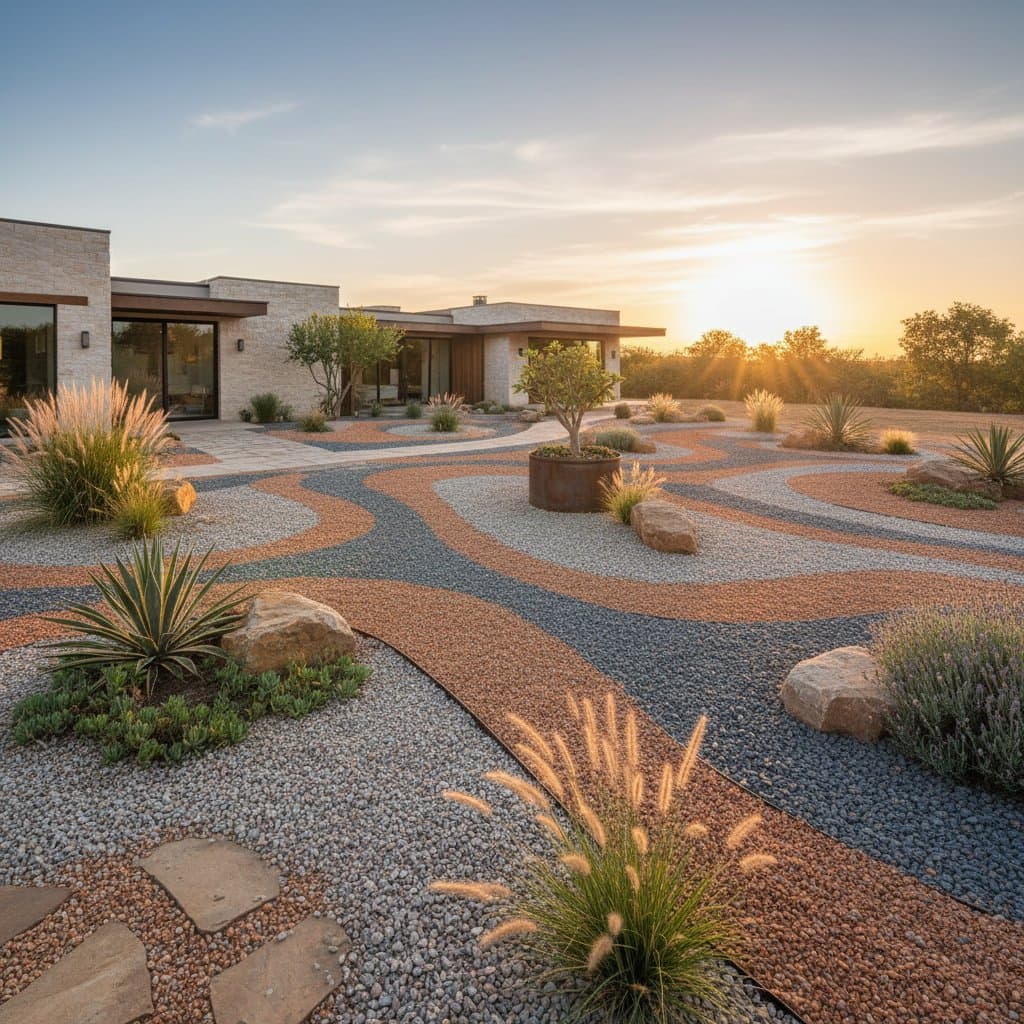
Gravel Gardens: The Low-Maintenance Shift from Mulch in 2026
If weekends vanish amid endless raking, watering, and replenishing mulch beds, consider redefining ground cover options. Gravel gardens emerge as a sustainable, low-maintenance alternative suited to dry climates and contemporary landscapes. These designs conserve water, minimize weeding, and provide a refined texture superior to mulch. Homeowners pursuing enduring value and serene aesthetics increasingly select gravel for its practicality.
Why Gardeners Are Moving Away from Mulch
Mulch serves as a traditional soil cover that appears natural, retains moisture, and suppresses weeds. However, it decomposes rapidly, attracts pests, and demands frequent replacement. In warm or windy areas, mulch breaks down even faster, resulting in an uneven layer that requires ongoing maintenance. The accumulating costs and labor often outweigh initial benefits.
Gravel remains stable and withstands environmental pressures. It does not rot or shelter insects. With proper installation, gravel endures for decades and requires little attention. Numerous homeowners in California adopt gravel gardens to integrate native plants with outdoor living spaces, achieving both utility and elegance.
The Practical Benefits of Gravel Gardens
A thoughtfully designed gravel garden extends beyond visual charm. It functions as an integrated system that bolsters plant vitality and soil integrity. Key advantages encompass the following:
-
Water Efficiency
Gravel shields soil from evaporation while permitting rain and irrigation to infiltrate naturally. Combined with drought-resistant plants, this configuration substantially lowers water consumption, often by 50 percent or more in arid settings. -
Long-Term Stability
Gravel avoids decomposition, eliminating the need for yearly additions. An adequately prepared gravel layer maintains uniformity for years, preserving a pristine appearance across seasons. -
Weed Control
Applied over permeable landscape fabric, gravel denies sunlight to weed seeds and inhibits growth. Spot treatments occur infrequently, transforming weeding from a major endeavor into a brief chore. -
Improved Drainage
In areas susceptible to intense rainfall or heavy clay soils, gravel facilitates water movement and averts pooling. This promotes robust root development and diminishes fungal disease risks. -
Clean Transitions
Gravel delineates sharp boundaries near patios, walkways, and plantings. It unifies hardscape and softscape elements, yielding a polished, integrated garden aesthetic.
Choosing the Right Gravel for Your Garden
Gravel varieties differ in drainage properties, hues, and tactile qualities. Selection impacts overall performance and comfort. Consider these proven choices:
-
Decomposed Granite: This fine, compactable material forms a sleek surface for pathways and patios. It interlocks securely yet permits water passage.
-
Pea Gravel: With its smooth, rounded pebbles, pea gravel enhances walkability in casual zones, play spaces, and edging.
-
Crushed Stone: Angular pieces provide solidity, making it suitable for driveways and high-traffic zones requiring durability.
-
River Rock: Larger, polished stones introduce ornamentation around trees, fountains, or drought-inspired plantings.
Opt for colors that harmonize with surroundings. Light shades deflect heat and illuminate dim spots, whereas darker tones create contrast with light greenery. Align gravel hues with home siding or accents for cohesive appeal.
Planning and Installation for Lasting Results
Effective gravel garden installation demands meticulous preparation. Overlooking essentials risks instability or weed intrusion. Adhere to this sequence for optimal durability:
-
Define the Layout
Outline garden areas with stakes and string. Evaluate intended uses, such as seating, circulation, or vegetation only. These factors guide gravel depth, typically 2 to 4 inches, and material selection. -
Prepare the Base
Clear vegetation and grade the soil evenly. Incorporate a subtle slope, around 2 percent, to direct runoff. Lightly compact the subsoil for firmness. -
Add Landscape Fabric
Install a durable, permeable weed barrier to allow air and water exchange. Steer clear of impermeable plastics that retain excess moisture and harm roots. Anchor fabric using metal pins to secure it against displacement. -
Spread the Gravel
Distribute gravel uniformly to the planned depth. Use a rake for leveling, then install borders of stone, metal, or concrete to confine the material. -
Plant Strategically
Choose species adapted to low water and good drainage, including lavender, agave, yucca, or regional natives. Position plants with adequate spacing, allowing 18 to 36 inches between specimens for full growth.
Designing for Beauty and Function
Gravel gardens adapt to diverse aesthetics, from rugged naturalism to sleek modernism. Pair gravel with indigenous flora, rocks, or water-thrifty evergreens to evoke regional character. In modern designs, employ geometric patterns, uniform plantings, and textural contrasts for sophistication.
Incorporate varied gravel sizes for dimension. Narrow paths of fine gravel framed by coarse river rock appear deliberate and dynamic. Introduce trailing plants such as sedum or dwarf iris to bridge gaps and add organic flow.
Strategic lighting accentuates stone reflections after dark, enhancing spatial depth. These elements foster an environment that balances utility with allure.
Ongoing Maintenance and Care
Gravel gardens demand far less intervention than mulched plots, yet periodic care sustains their appeal. Rake surfaces quarterly to redistribute material and clear debris that could retain dampness. Replenish sparse areas annually and check borders for shifts.
Address stray weeds with manual extraction or a natural solution like diluted vinegar. As plants establish, they interlace with the gravel, forming a harmonious composition of form and hue that requires minimal adjustment.
Building a Resilient Landscape
Selecting gravel over mulch transcends chore reduction. It cultivates an outdoor space attuned to local conditions, mindful of resources, and persistently attractive. With deliberate setup, gravel gardens mature into reliable havens of order and tranquility, enhancing daily life season after season.