
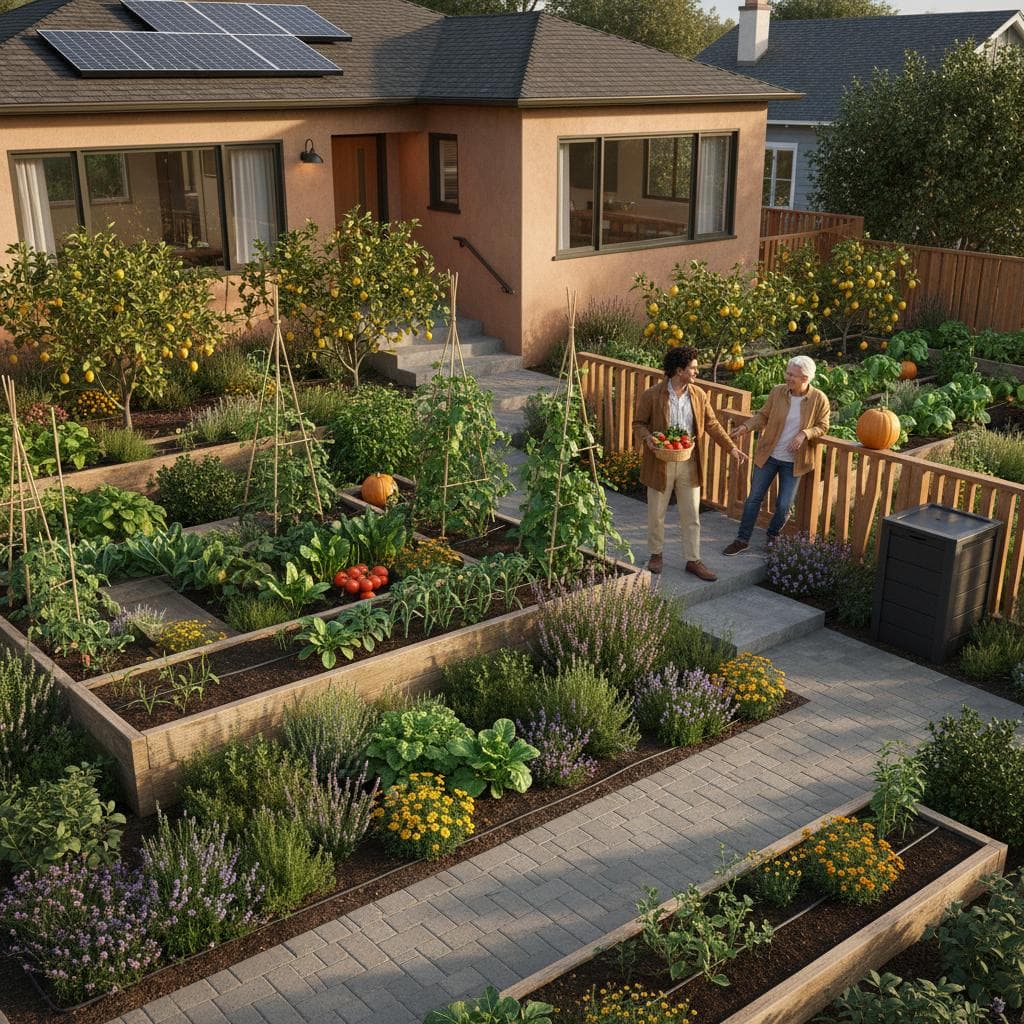
Zoning Updates Embrace Edible Front Yard Gardens
Local zoning revisions in California communities permit edible landscapes in front yards. Homeowners replace traditional lawns with gardens that include herbs, vegetables, and fruit-bearing plants. These updates promote self-sufficiency, environmental advantages, and enhanced neighborhood connections. Residents express creativity while improving property utility.
Reasons for the Rise in Front Yard Edible Gardens
Edible front yard gardens make effective use of sunny areas and require less water than turf grass. They offer attractive visuals, attract pollinators, and supply fresh produce near the home entrance. Public display creates a sense of accomplishment and encourages neighbor conversations about plant types or herb sharing.
Zoning changes reclassify these gardens with sustainable elements like native plants. Municipalities acknowledge their role in ecology and social unity. Residents redesign visible yard areas with confidence under this policy shift.
Steps to Prepare for a Front Yard Garden Conversion
Create a detailed plan before planting to integrate the garden with the property. Balance productivity and aesthetics to match home architecture and community standards.
- Examine zoning regulations and homeowners association rules. Confirm limits on plant heights, setbacks, raised bed materials, and fencing to avoid later changes.
- Evaluate sunlight and soil conditions. Monitor light patterns over a day to identify prime spots; test soil pH, nutrients, and drainage, then add compost to improve retention in common California soils.
- Sketch the layout carefully. Add defined pathways with gravel or stone for easy access and a neat look.
- Set up efficient irrigation. Choose drip lines or soaker hoses, which often qualify for rebates and allow grouping plants by water requirements.
- Pick plants for continuous output. Feature cool-season varieties like kale and broccoli to keep the garden engaging past summer.
Principles for Aesthetic and Functional Design
Effective edible gardens borrow from ornamental design for refined appeal. Raised beds and trellises provide structure and visual flow. Uniform materials like wood or metal maintain cohesion through seasons.
Incorporate varied colors and textures from options such as rainbow chard and lavender. Mix heights and leaf shapes to build depth and avoid uniformity.
Match the garden to home architecture. Use wooden features for bungalow styles or straight lines for modern designs.
Add buffer zones with edging plants like lavender or nasturtiums. These boost curb appeal and aid beneficial insects.
Choose versatile plants such as citrus trees or espaliered apples. Place them as focal points to combine function with elegance.
Adapting to California's Varied Climates
Select plants suited to local conditions for best results. Coastal regions support year-round greens in mild weather. Inland areas thrive with heat-tolerant crops like squash and eggplant.
Apply mulch from wood chips or leaves to hold moisture and stabilize temperatures. In dry zones, use shade cloths over young plants during peak heat.
Opt for hardy varieties from reliable sources, including those developed for drought tolerance. Blend in California natives like manzanita for easy-care highlights.
Strategies for Sustainable Maintenance
Proper care keeps the garden productive and appealing with low effort.
Start small with one raised bed to assess the site before expanding. Use succession planting by seeding new crops as others finish, for steady coverage.
Prune regularly to shape plants and promote health; add trimmings to compost piles. Set up a hidden compost bin to process waste and boost soil each year.
Sweep paths weekly to preserve order and gain community support.
Broader Impacts on Community and Culture
Edible front yards reflect growing interest in sustainable food and resource use. Homegrown items teach about farming needs and cut dependence on remote sources.
City planners appreciate these gardens for reducing urban heat and boosting wildlife. Some guidelines now encourage edible plants in public spaces.
This movement shifts from manicured lawns to purposeful land use. Gardens prompt interactions, such as crop swaps, that strengthen local ties.
Benefits of Professional Expertise
Independent projects gain from specialist guidance for durable outcomes. Edible landscape designers refine plans for soil vitality and productivity.
They add elements like rainwater collection without disruption. Builders ensure sturdy raised beds, and irrigation pros meet codes while saving water.
Consult early to avoid mistakes and merge ideas with tested methods.
Financial Planning for Lasting Returns
Upfront costs for conversions lead to savings in water and groceries. Improved yards can raise property appeal.
Break down budgets: cover basics like soil work and irrigation; plan for plants by season; set aside for supplies such as mulch.
Invest in durable choices, including cedar raised beds or permeable walkways, to endure weather and limit repairs.
Fostering Neighborhood Acceptance
Tackle concerns upfront to build backing. Share design sketches ahead and pledge tidy maintenance.
Show benefits with actions like sharing produce samples. Organize casual plant exchanges to generate interest.
Collaborate with community organizations on workshops, positioning gardens as examples of green progress.
Sustaining Garden Success Over Time
Mature gardens deliver rewards through planting and harvest cycles. Routine care evolves into rewarding habits.
Adjust based on results: modify irrigation, relocate plants, or test new strains. Record notes on yields to guide improvements.
These areas support personal health, environmental care, and shared community values.
Steps to Launch Your Edible Front Yard
Survey yard features and create a tailored plan. Follow rules, choose tough and attractive plants, and consult experts if needed. Involve neighbors from the start for mutual benefits.