
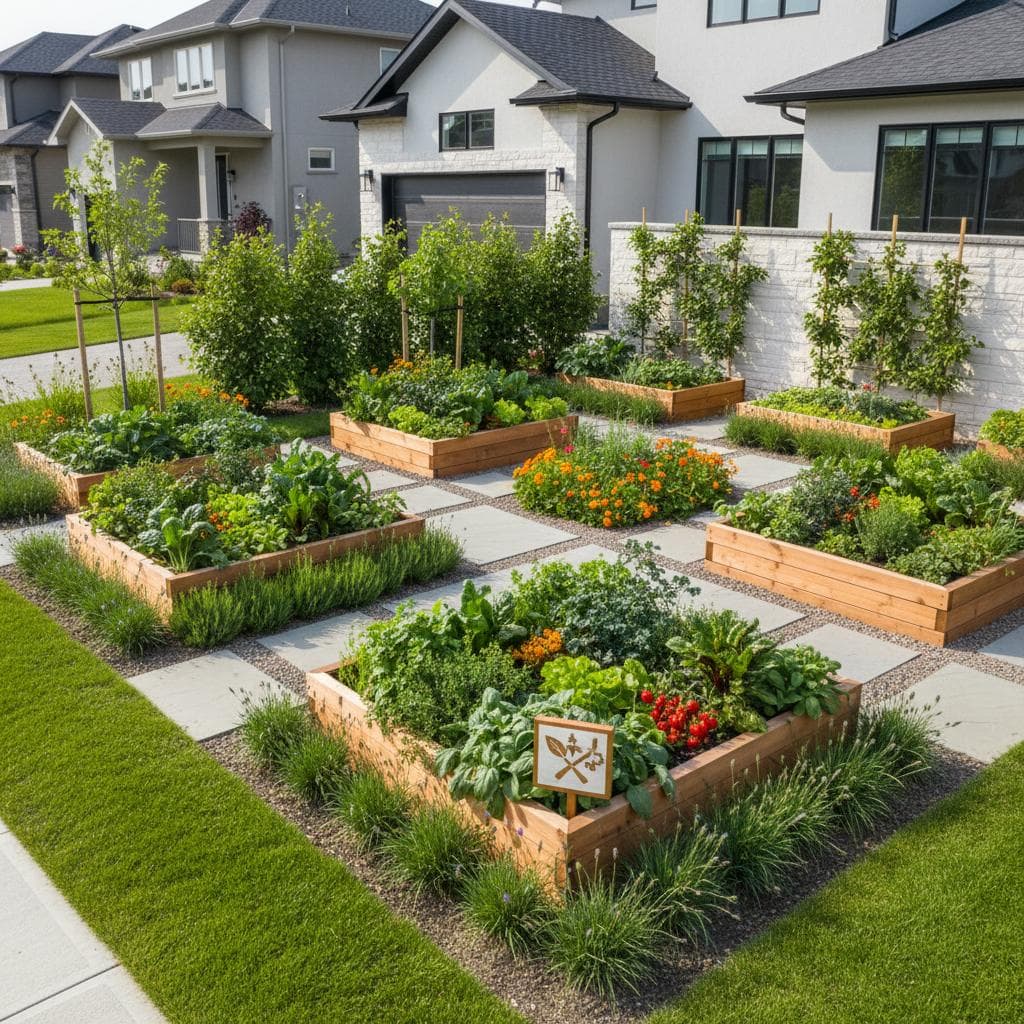
Unlocking HOA-Approved Edible Landscaping for Front Yards
Front yards offer potential beyond standard lawns and basic shrubs. In California communities, these spaces evolve into productive areas that deliver beauty, scent, and taste. Homeowners in associations face challenges with edible landscapes due to regulations aimed at neighborhood aesthetics. Thoughtful planning and open dialogue enable creation of front yards that meet HOA standards while providing food, aroma, and neighborhood enhancement.
Grasping HOA Priorities and Possibilities
Homeowners associations emphasize curb appeal, water efficiency, and uniform design. Front yards must remain neat, integrated, and low-effort. Edible gardens risk appearing disorderly without careful arrangement, so structure remains essential.
Examine your HOA guidelines first. Associations frequently permit ornamental edibles like fruit trees, herbs, and blooming vegetables if maintenance ensures compatibility with nearby landscapes. Seek clarification on ambiguous rules or suggest a trial section. Submit a concise letter with a basic sketch to foster goodwill.
Associations favor orderly, water-efficient plans. Employ raised beds with defined edges, gravel walkways, and mulch layers for a polished effect that minimizes upkeep. Demonstrate how the garden boosts property values to secure approval.
Structuring a Front Yard for Aesthetics and Utility
Begin edible landscaping with a solid framework. View the yard as organized zones that direct views and specify functions. Layer edible plants atop this base for ornamental results.
-
Establish Zones
Assign areas for trees, shorter plantings, and access routes. Position taller items such as citrus or pomegranate trees at the rear or edges to maintain visibility. Employ medium-height options like rosemary or blueberry bushes for seamless shifts. -
Apply Symmetry or Organic Lines
Associations often value symmetry for uniformity. Duplicate bed arrangements beside pathways for traditional style. Opt for flowing beds that mimic local terrain for natural appeal. Maintain sharp borders and consistent plant themes in both styles. -
Integrate Hardscape Elements for Structure
Paths of gravel, stone, or crushed granite indicate deliberate layout. These surfaces prevent soil erosion and simplify crop access. Install borders from recycled metal or concrete to contain growth and provide clarity. -
Incorporate Variety in Color and Form
Combine edibles with non-edible perennials for dynamic visuals. Artichokes feature metallic foliage with artistic shapes. Chard displays vibrant stalks that shine under light. Fragrant herbs such as lavender, thyme, and sage offer year-round greenery and sensory depth.
Selecting Suitable Edibles for HOA Compliance
Ideal plants for HOA front yards attract the eye, demand little care, and tolerate dry conditions. California-adapted natives and Mediterranean varieties establish quickly and require minimal supplemental water.
Recommended Edible Ornamentals
- Fruit Trees: Compact citrus, fig, persimmon, or pomegranate varieties supply framework and changing hues. Lush foliage and early blooms ensure ongoing decoration.
- Shrubs: Blueberries, currants, or rosemary bushes form compact hedges. They retain tidiness beyond harvest periods.
- Perennials: Artichokes, asparagus, and rhubarb introduce form and stature. Pair their leaves with decorative grasses for balance.
- Herbs: Oregano, thyme, sage, and chives create neat mats that emit scents on contact.
- Vegetables: Select kale, chard, or lettuce with vivid foliage to accent floral displays.
Balance evergreens and seasonal plants to sustain interest across months. Steer clear of aggressive spreaders or short-lived types that demand constant renewal.
Addressing Water, Soil, and Upkeep Needs
State water laws highlight conservation, making precise irrigation vital. Use subsurface drip systems beneath mulch to avoid wet leaves and limit water loss. Cluster plants by hydration requirements; trees benefit from occasional deep soaks, while greens thrive on steady supply.
Strong soil supports thriving, attractive gardens. Mix compost into surface layers prior to planting. Apply organic mulch annually to block weeds and hold moisture. Pruning and mulching over years enhance soil quality organically.
Upkeep determines HOA success. Trim plants routinely, remove weeds from beds, and clear paths. Gather produce promptly to avoid fallen debris. Consistent care reflects responsibility and proves edibles integrate elegantly.
Collaborating with HOA and Community Members
Initiate discussions early for optimal outcomes. Present your blueprint to the HOA group and adjacent residents before implementation. Include images of comparable setups showing neatness and allure. Visualization reduces resistance.
For formal processes, inquire about test zones or incremental builds. Launch with a modest border near the entrance to illustrate viability. Visible success eases further approvals as neighbors observe the appeal.
Landscaping committees value green initiatives. Stress benefits like smaller turf areas, reduced consumption, and support for pollinators. Align these with association objectives for stronger cases.
Achieving Cohesive Design Integration
Effective edible yards appear unified rather than disjointed. Repeat hues, surfaces, and shapes across sections for harmony. For instance, deploy silver foliage from sage or artichokes repeatedly to build pattern.
Incorporate supportive features for added polish. Low walls of stucco, sleek trellises, or plain pots frame greenery. Install path or tree lights for evening visibility and charm.
Evaluate views from streets and interiors. Prime designs impress from all perspectives. Greet mornings with lavender scents and citrus blooms, perhaps snipping a lemon for your brew.
Steering Clear of Frequent Errors
- Excessive Density: Limit varieties to prevent disorder. Focus on select colors and types.
- Maintenance Oversight: Overgrown tendrils or faded greenery invite scrutiny. Set weekly care routines.
- Scale Mismatches: Choose dwarfs and compact forms for confined spaces over expansive ones.
- Boundary Omissions: Defined lines and routes ensure a complete look.
Mature gardens require ongoing adjustments. Thin established plants and update beds to preserve equilibrium as growth occurs.
Implementing Your Edible Garden Plan
With approval secured, proceed incrementally to gain assurance. Install foundations like edges and watering systems first, then introduce plants gradually. This method allows tweaks and distributes expenses.
Track care activities in a basic journal covering irrigation, trimming, and yields. Identify rhythms to guide yearly changes. Transition from annuals to durable perennials for enduring returns.
Engage a designer versed in local rules if feasible. Experts decode guidelines, draft precise plans, and suggest compliant pairings. Upfront effort streamlines compliance and efficiency.
Front yard edible landscapes extend beyond yields. They foster bonds as neighbors inquire about fruits, teach youth about origins, and enrich streets with vibrant life. Strategic preparation and dialogue nurture physical and communal well-being.